Arkansas Pest Solutions
Get Estimate

Ant Control Little Rock AR That Targets the Nest

Stop indoor trails and protect your home from repeat activity


Ant Control Little Rock AR helps homeowners and property managers stop trails at the source, not just clear the ants visible on a counter. We inspect nesting sites, food and moisture sources, and entry points before selecting a treatment. If ants keep returning after store-bought sprays, our ant control in Little Rock, Arkansas addresses the colony and the conditions that keep drawing it indoors.

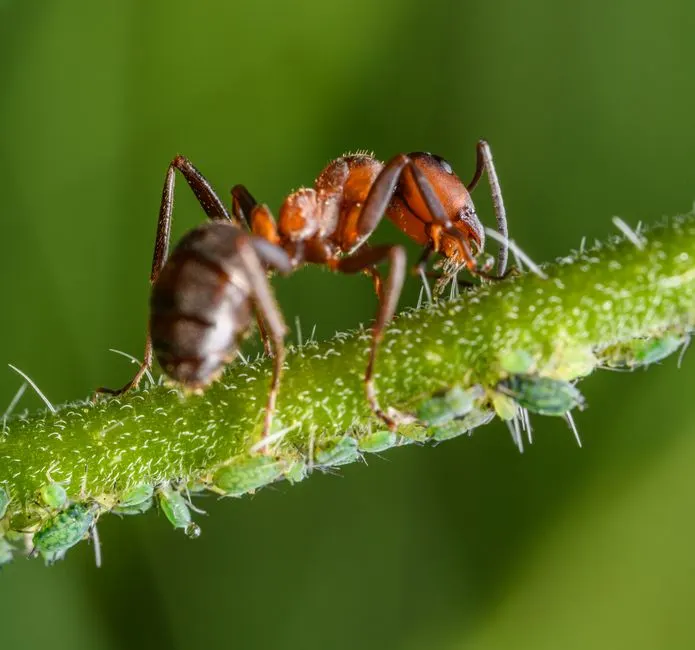
Macro photography of a red ant on a green stem surrounded by tiny insects.
Licensed Licensed & Bonded
Fully Insured Insured & Bonded
24/7 Emergency Same-Day Response
Warranty Backed Workmanship Guaranteed in Little Rock

What Ant Control Includes

Our ant service covers inspection, identification, targeted treatment, and practical prevention guidance for the active areas. The exact plan depends on the species and where the colony is located. We explain treatment placement and label-based precautions, then identify repair or moisture issues that may need separate attention so you know which steps address ants and which address the building.

Trail and nest inspection

We check active rooms, exterior foundations, utility entries, and likely nesting areas. The inspection connects visible ants with access points and food or moisture sources. When carpenter ants are suspected, we look closely at damp wood and trim rather than assuming every ant trail comes from the same type of nest.
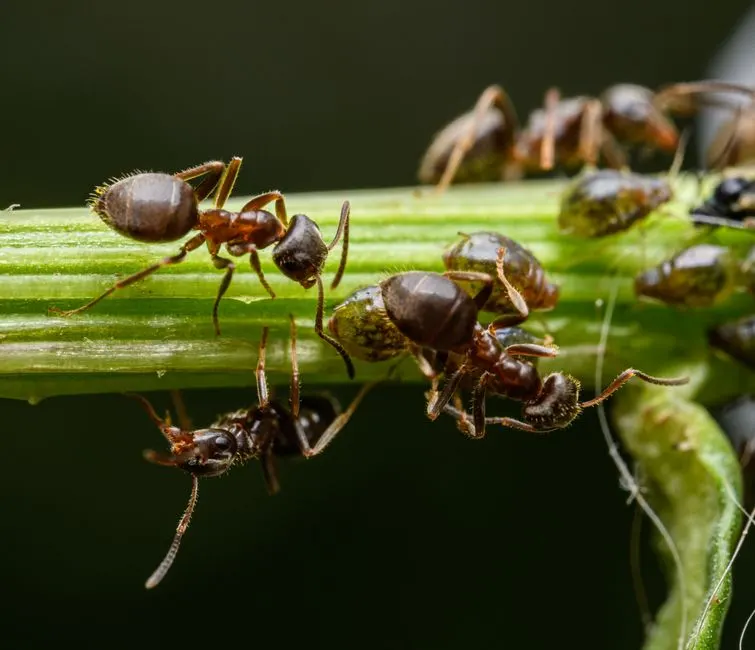
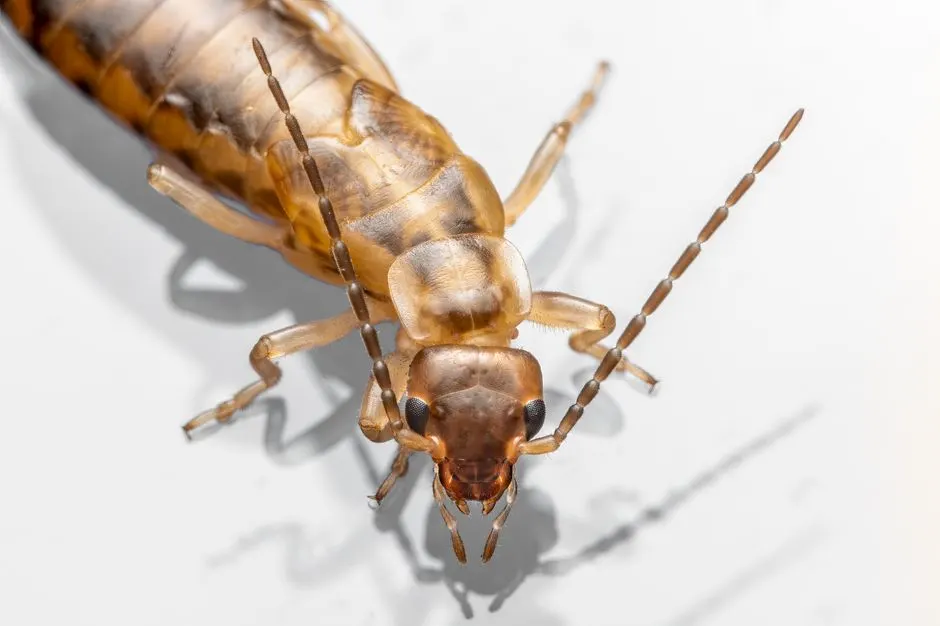
Species-based treatment plan

We select bait, crack-and-crevice treatment, or another label-approved application based on the ant species and activity. Placement is chosen to reach the route or colony while keeping treatment away from food-contact surfaces and routine household traffic wherever practical.

Targeted application

Our technician treats identified routes, nesting areas, and entry points rather than applying product indiscriminately. You receive instructions on what to leave undisturbed, where bait was placed, and how long to keep people and pets away according to the product label.

Prevention recommendations

We point out conditions that support activity, such as a slow plumbing leak, food residue, or a visible gap around a pipe. Recommendations may include cleaning trails, sealing appropriate openings, or correcting moisture. Building repairs are distinct from pest treatment, but addressing them helps reduce repeat access.

Activity monitoring guidance

We explain what changes to expect after service, including the possibility that workers will visit bait before numbers fall. You will know which rooms to monitor, when to contact us, and why spraying over bait can interfere with the treatment.

Ant Control Little Rock AR: A Practical Overview


Ant Control Little Rock AR is a pest-management service that identifies ant species, locates colony activity, and applies targeted treatments to reduce active infestations and prevent easy re-entry. We inspect indoor trails, exterior foundations, wall voids, and damp areas before choosing bait, crack-and-crevice treatment, or a combination. A Pest inspection flashlight helps reveal trails after dark, while a moisture meter checks suspected damp wood. Our technicians place treatments according to the product label and keep applications focused on the ants' routes, nesting areas, and access points.

Little Rock homes face long warm periods, humid summers, and sudden rain that can push ants indoors in search of food or dry nesting space. Carpenter ant activity is a concern around damp trim, deck connections, and older window frames; pavement and odorous house ants often follow tiny gaps near kitchens and utility lines. If you're searching for how to get rid of ants in a Little Rock kitchen, we trace the trail back beyond the counter, remove the attractant, and treat the entry route rather than spraying blindly.

How Our Ant Treatment Works

Ant Control Little Rock AR follows a clear sequence: identify the species, find the colony route, treat the right locations, and check the result. We explain what you will see during the visit and what changes to make afterward, so the plan fits your home rather than relying on a one-size-fits-all spray.

01

Schedule

Call or book online — a real human picks up and confirms a 2-hour arrival window.

02

Diagnose

Licensed tech inspects on-site, then walks you through the cause and your options.

03

Fix

The job is completed to code and done right the first time — no shortcuts, no surprises.

04

Guarantee

Every job backed by a written workmanship warranty — and we stand behind it.

Tools and Targeted Treatment Methods

Tools & Equipment

Pest inspection flashlight

We use focused light to follow trails beneath cabinet edges, around trim, and along exterior foundations, including low-light areas where small workers are easy to miss.

Borescope

A borescope lets us inspect an accessible wall or trim void through an existing opening, helping locate activity without opening finished surfaces unnecessarily.

Moisture meter

We check suspected damp wood near windows, decks, and plumbing areas when carpenter ants are a concern, then connect readings with visible damage and ant activity.

Bait station

A bait station keeps an appropriate bait in a controlled placement near a trail, where worker ants can find it without leaving loose material across a household surface.

Crack-and-crevice applicator

This tool places a label-approved product into a narrow gap or void identified during inspection, limiting application to a specific ant route or harborage.

Methods & Standards

Integrated Pest Management standards

We inspect first, identify the pest, and consider sanitation, moisture, and exclusion alongside treatment. This keeps the plan focused on the colony and its access route. Product use is selected for the site and applied according to label directions rather than used as a substitute for finding the cause.

Species-led baiting

When bait suits the ant species and location, we place it where workers are actively foraging and explain why it must remain undisturbed. Ants may visit the placement before activity declines. We avoid applying incompatible products directly over bait and advise you how to monitor the route.

Targeted crack-and-crevice treatment

A technician treats identified gaps, wall edges, or service openings where ants travel or shelter. The product and placement follow the label, with care around food-preparation areas and occupied spaces. This method is used where inspection supports it, not as a blanket application throughout the home.

Exclusion and attractant reduction

We identify food residue, standing moisture, and accessible gaps that support foraging. You may receive recommendations to store food in sealed containers, repair a leak, or improve a door seal. Those steps complement treatment by making the route and indoor environment less attractive to ants.

When to Call for Ant Treatment

01

You see a steady line of ants moving between a Little Rock kitchen and a wall opening.

What we do: We inspect the route, determine where ants enter, and look for food or moisture supporting activity. The technician chooses a targeted treatment near the trail or colony and explains what to clean, seal, and leave untouched. This helps avoid disrupting bait or spreading ants to another room.

→ You get a source-focused plan and a clear monitoring period, rather than repeatedly wiping the same trail without knowing where it begins.

02

Large ants appear near damp trim, a deck, or a window after a wet spell.

What we do: We check the ant size and behavior, inspect nearby wood, and look for moisture that could support nesting. If carpenter ants are suspected, we assess accessible voids and treat the identified activity. We also point out where a leak or damaged trim needs repair.

→ You learn whether the concern is a passing trail or a nest associated with damp wood, and which next step addresses each part.

03

Ants return in different rooms after repeated household sprays.

What we do: We review where and when you applied products, then map the new trails and inspect adjacent rooms, utility penetrations, and exterior edges. Our technician chooses a treatment compatible with the site and explains any wait time or bait precautions required by the label.

→ Treatment follows the activity pattern instead of repeating the same application, and you know what signs to watch for over the next 7 to 14 days.

04

Ants enter a Little Rock property after rain through a door or foundation gap.

What we do: We inspect the entry edge and active outdoor trail, then treat the route and identify suitable exclusion work. A worn door sweep or unsealed service opening can give foragers an easy path. We explain which repairs are practical before the next round of wet weather.

→ You get a targeted response to current activity and a short list of entry points to correct, rather than relying on indoor treatment alone.

How Ant Control Works in Little Rock Homes

Ant control in Little Rock, Arkansas requires attention to humidity, rain, and the construction details that create hidden routes. Warm weather can keep foraging active for long stretches, while heavy rain may drive colonies toward drier wall voids and kitchens. In older houses, settling cracks, aging window trim, and plumbing penetrations deserve close inspection; newer homes still develop gaps around utility lines and door frames. We check the exterior foundation and indoor trail together instead of treating a kitchen sighting as an isolated problem. For carpenter ant treatment for Little Rock homes, we assess damp wood and nearby moisture before selecting a method. Local work also means explaining product placement carefully in occupied homes, following label directions, and separating pest treatment from building repairs. We serve Pulaski County and nearby communities, including properties in ZIP codes 72209 and 72227. Call 877-729-2528 if ants are active now or return after rain.

Neighborhoods We Serve

  • The Heights

    Older trim, porches, and mature landscaping can leave multiple routes to inspect. We check window edges, exterior wood, and foundation transitions where ants may move indoors.

  • Hillcrest

    Established homes and varied exterior materials call for a close look at window frames, basement areas, and utility openings rather than a standard perimeter-only treatment.

  • Chenal Valley

    Larger homes can have several kitchens, utility rooms, and exterior access points. We map reported trails across the property so treatment follows connected activity.

  • Pleasant Valley

    Landscaped beds and irrigated areas can hold moisture near foundations. We inspect active edges and door entries, then identify whether moisture or food is sustaining the trail.

Local Conditions We Plan For

  • Humid summer weather keeps ant foraging active around kitchens and foundations

    Warm, damp conditions can extend the period when ants search for food and water. We inspect both indoor routes and exterior nesting areas, then explain how to store food, reduce moisture, and monitor bait while activity declines.

  • Heavy rain pushes outdoor colonies toward dry interior gaps

    After rain, ants may appear suddenly around door thresholds, pipe entries, or lower wall edges. We trace the route to the access point and treat the active trail, then recommend suitable sealing or door-sweep corrections.

  • Damp trim and wood-to-soil contact support carpenter ant concerns

    Carpenter ants use wood for nesting, particularly where moisture has softened trim or framing. We inspect the material and nearby water source, treat confirmed activity, and explain when a separate repair is needed to correct the damaged wood.

Kitchen Trail Stopped at Its Source

Before

A homeowner found ants along the counter each morning and cleaned the trail before breakfast. The line returned near the sink and disappeared behind the cabinet, while repeated surface sprays did not change the pattern. Food stayed sealed, but the entry point and colony route were still unknown.

After

We followed the trail to a gap near the plumbing penetration, identified the ants, and placed targeted bait away from food contact. The homeowner reported fewer visible workers over the following week and no steady counter trail by the 14-day check-in. We also showed where the gap could be sealed.

Maintenance: Keep the bait placement undisturbed for the instructed period, wipe food residue promptly, and store open ingredients in sealed containers. Check the sink cabinet for leaks and report any new trail rather than spraying over the treated route.

Before

Large ants appeared near a rear window and deck connection after several wet weeks. The trim felt soft in one spot, but the homeowner could not tell whether the insects were nesting inside or only passing along the exterior. No inspection had connected the damp material with the repeated sightings.

After

We inspected the trim and surrounding route, used a moisture meter to assess the damp area, and treated the confirmed activity with a focused plan. The customer arranged repair of the wet trim and reported no recurring indoor trail during the next two weeks of monitoring.

Maintenance: Keep repaired trim sealed and direct water away from the window connection. Check for renewed dampness after rain and watch the previous trail for fresh workers. If activity returns, report the location so we can reassess the route and nesting conditions.

Before

After heavy rain, ants appeared along the entry floor and near a hallway wall. The family vacuumed them up, but new workers arrived from the door edge the next morning. A worn door seal and an outdoor trail made it difficult to tell whether indoor treatment alone would help.

After

We traced the route to the threshold, treated the active trail, and identified the worn door sweep as an easy entry point. The household reported no new line along the hallway during the next 10 days after replacing the seal and following the bait instructions.

Maintenance: Keep the threshold clear of food crumbs and check the door sweep for gaps after installation. Avoid washing treated areas until the label directions allow it. Monitor the exterior trail after rain and call if ants establish a new route indoors.

Solve the Ant Problems Behind the Trail

Recurring ant activity usually points to a route, attractant, or nest that has not been addressed. We inspect the location and behavior before treating, then give you practical steps for the conditions that support the infestation. That approach helps separate a short-lived trail from a colony established in or around the structure.

Problem

Ants repeatedly crossing kitchen counters toward an unseen entry gap

Food and dishes become difficult to keep clear, while repeated cleaning removes only the visible trail and leaves the colony active nearby.

Our Fix

We follow the trail to likely access points around plumbing, cabinets, and exterior walls, then identify the ant before choosing a targeted bait or treatment. We explain how to protect food and keep the placement undisturbed. If you are dealing with how to get rid of ants in a Little Rock kitchen, tracing the route is the first useful step.

Problem

Large ants appearing around damp window trim or deck connections

Repeated carpenter ant activity can indicate a nest in damp or damaged wood, and ignoring the moisture source can support continued nesting.

Our Fix

We inspect the wood, nearby moisture, and trails to determine whether carpenter ants are involved. A moisture meter helps assess damp conditions, while a borescope can check an accessible void. We treat the identified ant activity and explain what wood repair or leak correction may be needed to remove the supporting condition.

Problem

Ants returning after store-bought spray clears the visible workers

Spray can interrupt a trail without reaching the colony, causing activity to shift to another room or reappear after a short break.

Our Fix

We ask what product was used and where, then inspect for alternate routes and nesting locations before selecting a treatment. If bait is appropriate, we place it where workers can carry it toward the colony and explain why additional spraying nearby can reduce its effectiveness.

Problem

Outdoor ant trails entering after heavy rain or humid weather

Rain-soaked soil and warm, damp conditions can push foragers toward dry indoor spaces, especially through small foundation and door gaps.

Our Fix

We inspect the exterior foundation, door edges, and service penetrations, then treat active routes according to the ant species. We also identify simple exclusion measures, such as repairing a worn door sweep or sealing a suitable gap, to reduce easy entry after the next storm.

Fewer Trails, Better Protection

Fewer Trails, Better Protection

Our approach is built around the cause of the infestation: the colony, the access route, and the conditions that keep ants coming back. You get a clear inspection, treatments matched to the species, and practical steps for protecting your home between visits.

  • Treat the colony source

    Spraying visible ants alone often leaves the nest untouched. We identify active trails and use bait or a targeted application that workers carry toward the colony. With ant extermination Little Rock AR service, we also check likely nesting zones, including wall voids and damp exterior wood, so treatment reaches beyond the ants you can see.

  • Reduce repeat entry

    We look for gaps around pipes, door frames, foundation joints, and utility penetrations. After treatment, we point out practical corrections such as a door sweep or weatherstripping where it fits the problem. Closing a small access point can reduce the next wave of foragers without turning the visit into a broad, unnecessary application.

  • Protect food areas

    Kitchen activity needs careful placement and clear instructions. We focus treatment into cracks and routes rather than applying product across food-preparation surfaces. You receive straightforward guidance on cleaning residue, storing open food in sealed containers, and keeping children and pets away from treated spots until the label's re-entry directions are met.

  • Know what happens next

    Ant bait can draw more workers to a station before activity declines, so an immediate increase does not always mean treatment failed. We explain what to watch for over the next 7 to 14 days and when to report continuing activity. That gives you a useful follow-up window instead of guesswork.

Ant Treatment Pricing

Typical 2026 pricing for ant service in Little Rock ranges from $150 to $450 for a standard visit; complex or concealed infestations can reach $450 to $850. The price reflects inspection time, property size, species, number of active areas, and access to the nest. Carpenter ant treatment in Little Rock can require additional assessment when damp wood or wall voids are involved. We explain upfront pricing before work begins, so you know which treatment the visit covers and why the property conditions affect the total.

Typical Investment Range

$150 - $850 depending on inspection findings, property size, ant species, and nest access

Targeted service addresses the colony route and the conditions drawing ants inside, not just the visible workers. The inspection and treatment plan help avoid repeating short-lived applications that leave the source untouched.

What changes the price

01

Property size

A small home with one active kitchen trail takes less inspection and treatment time than a multi-level property with several affected rooms. More square footage also means more exterior foundation and entry points to check, which can raise labor and material needs.

02

Ant species

Common household ants and carpenter ants require different inspection priorities and treatment choices. If carpenter ants are active in damp trim or an accessible void, we spend additional time checking the material and route, which can increase the service cost.

03

Number of active areas

One isolated trail is usually simpler than activity in a kitchen, bathroom, and exterior wall at the same time. Multiple trails require more mapping and targeted placements, especially if the areas connect through utility lines or wall voids.

04

Nest access

A visible exterior nest is easier to assess than a colony inside a concealed void or damaged wood. Limited access can require additional inspection and a more involved treatment plan. We explain the work needed based on what the inspection reveals.

05

Preparation and moisture

Food residue, leaks, and damp wood can sustain activity and complicate control. Correcting a plumbing leak or repairing trim is separate building work, but addressing it can help treatment succeed and reduce the chance that ants return to the same conditions.

Training and Treatment Standards

Licensed & Certified

  • Arkansas Department of Agriculture pesticide applicator license — issued by Arkansas Department of Agriculture
  • Structural pest control certification — issued by Arkansas Department of Agriculture
  • Integrated Pest Management standards — issued by National Pest Management Association
  • EPA pesticide label compliance — issued by U.S. Environmental Protection Agency

Verified Reviews

Google ★★★★★4.9

A Little Rock homeowner described recurring kitchen ants that returned after store-bought spray. The technician traced the trail to a cabinet opening, placed bait away from food surfaces, and explained what not to clean. The customer noticed the trail tapering over the following week and appreciated the practical prevention advice.

Yelp ★★★★★5.0

A resident reported larger ants around damp window trim. The inspection focused on the moisture source and nearby wood instead of treating every room. The homeowner said the technician explained the findings clearly and gave them a useful repair step alongside the ant treatment.

Better Business Bureau ★★★★★4.8

A property manager in Little Rock noted that ants were appearing in more than one unit near shared plumbing. The team checked affected areas, explained bait placement to residents, and provided monitoring guidance. The manager valued having clear observations to pair with scheduled leak repairs.

Field Knowledge for Ant Problems

Our technicians approach each infestation with species identification and a site-specific treatment plan, not a blanket application. Arkansas Pest Solutions follows Integrated Pest Management standards: inspect first, reduce access and attractants, and use targeted products only where they fit. Pesticide applications are made in accordance with EPA pesticide label compliance and applicable Arkansas requirements. We explain how the selected treatment works, where it is placed, and what signs show progress, giving you useful information for the days after service.

  • We inspect kitchens, bathrooms, utility entries, foundations, and damp exterior wood to connect indoor sightings with likely outdoor nesting routes.
  • Our team chooses bait or direct treatment according to the ant species, colony behavior, and location of the activity.
  • We use a moisture meter when damp trim or framing could be supporting carpenter ant activity.
  • Treatment placement follows product directions, with special care around food-preparation surfaces, children, and pets.
  • We pair treatment with practical exclusion advice, including suitable door sweeps and sealed gaps around service penetrations.
Get Started Today
Field Knowledge for Ant Problems
Service Area

Pest Control Coverage Across Little Rock & Pulaski County

Routine and same-week appointments for residents and businesses across Pulaski County, including the ZIP codes below.

72211722107221272223722277220972202722017220672207722047220572103722157221772219722227222572231722557226072295

Cities We Serve Across Arkansas

Our Arkansas service coverage extends beyond the capital, with local ant inspections adapted to each property and its surrounding conditions. We coordinate Ant Control Little Rock AR and nearby visits while reaching communities across central, northern, and southern parts of the state. Whether your concern is a kitchen trail, carpenter ant activity, or ants driven indoors by rain, our team identifies the route and chooses a suitable treatment. Call 877-729-2528 to discuss service in your community.

Conway

We inspect kitchen trails, foundation edges, and utility entries in Conway, then match treatment to the ant species and where the colony is active.

Russellville

Russellville service starts with tracing indoor activity to an exterior route or nesting area, with targeted treatment and practical advice on moisture and food access.

Harrison

In Harrison, we check reported trails around kitchens, door frames, and damp trim, then choose a treatment suited to the property and ant behavior.

Farmington

Farmington homeowners can get an inspection that connects indoor ant sightings with exterior foundations, landscaping edges, and small gaps around service lines.

Heber Springs

We assess ant activity in Heber Springs homes by checking food areas, moisture, and outdoor routes before applying a focused treatment plan.

White Hall

Our White Hall service traces recurring trails to likely entry points and nests, then explains which household changes can help prevent another indoor route.

Lonoke

In Lonoke, we inspect the active rooms and exterior access points, paying attention to rain-driven entry and damp areas that may support nesting.

Dumas

Dumas ant service includes species identification and targeted treatment of active trails, with clear guidance for protecting food and monitoring results afterward.

Pottsville

We look for the source behind Pottsville ant sightings, including gaps near doors and plumbing, then place treatment where it fits the inspection.

Mayflower

Mayflower visits focus on the route between outdoor activity and indoor trails, with practical recommendations for foundation gaps and household attractants.

Fairfield Bay

We inspect Fairfield Bay properties for ants near kitchens, damp wood, and exterior edges, tailoring treatment to the colony location and access.

Danville

In Danville, we identify the ant and map active routes before treatment, helping distinguish a passing trail from a colony established nearby.

Hazen

Hazen service checks both indoor sightings and exterior nesting conditions, then provides a targeted plan and follow-up monitoring instructions.

Calico Rock

We assess Calico Rock ant activity around food sources, foundation access, and moisture-prone wood, choosing treatment based on the actual infestation.

Tuckerman

Tuckerman homeowners receive a focused inspection of trails and entry points, followed by treatment and clear steps for reducing repeat access.

Ant Control Customer Stories

Real experiences from customers who chose our Ant Control services.

“We kept finding ants along the kitchen backsplash even after cleaning every night. The technician followed the trail to a gap near the sink line and placed bait where it would not interfere with food prep. He explained not to wipe it away. Activity dropped over the next several days, and we finally understood where the ants were getting in.”

M

Megan R.

Homeowner, Little Rock

“Ants were appearing near a back window and along the deck trim. The inspection found damp wood outside, which we had not connected to the indoor trail. The team treated the active route and showed us the area that needed repair. We appreciated getting a clear explanation instead of another quick spray around the baseboards.”

D

David T.

Homeowner, Little Rock

“Several units had ant activity near shared plumbing walls, so treating only the visible kitchen trails was not enough. Arkansas Pest Solutions checked the affected rooms, explained bait placement to residents, and gave us a monitoring period. The follow-up notes made it easier to coordinate leak repairs and watch for any continuing activity.”

A

Angela P.

Property manager, Little Rock

Ant Control Questions, Answered

Real answers to the questions we hear most often from local homeowners and property managers.

How much does ant control cost in Little Rock?
A standard ant treatment in Little Rock commonly ranges from $150 to $450, while extensive or concealed infestations can cost $450 to $850. Typical 2026 pricing depends on property size, ant species, nest access, and whether multiple areas need treatment. We inspect the activity and explain the price before work begins. Carpenter ant activity in wall voids or damp framing usually requires more inspection and targeted work than a single kitchen trail.
Who provides ant extermination in Little Rock AR?
Arkansas Pest Solutions provides ant extermination Little Rock AR homeowners can arrange by calling 877-729-2528. We inspect the property, identify the ant and its routes, then choose targeted treatment based on the site. Our work follows applicable pesticide label directions and Arkansas requirements. Tell us where you see activity and whether sprays or baits have already been used; that helps our technician plan a more useful inspection.
How can I tell if ants in my Little Rock home are carpenter ants?
Carpenter ants are often larger than common kitchen ants, and their presence near damp or damaged wood deserves a closer inspection. Look for repeated activity around window trim, deck connections, or wall edges, and for coarse sawdust-like material near a possible nest. A single ant does not confirm structural damage. We inspect the area and use tools such as a moisture meter or borescope when access and conditions make them useful.
Will professional ant treatment prevent ants from coming back?
Professional treatment reduces active colonies and entry routes, but no treatment can guarantee that new ants will never enter. Results depend on the species, nest access, moisture, food sources, and gaps around the building. We treat active routes, explain how to avoid disrupting bait, and identify conditions to correct. Keep food sealed, repair leaks, and monitor the treated area for 7 to 14 days; contact us if activity continues.

Other Services for Your Home

Rodent Control

Ants and rodents can use the same gaps around utility lines, foundations, and doors. Our Rodent Control inspection checks access points and signs of activity, then recommends suitable exclusion measures. If you have both ants and rodent concerns, we can help identify which openings need attention first.

View Rodent Control

General Pest Control

General Pest Control addresses recurring household pests through inspection, targeted applications, and prevention guidance. If ant trails appear alongside other crawling insects, we assess each pest rather than treating every problem as the same infestation. That helps you understand which areas need focused ant treatment.

View General Pest Control

Stinging Insect Control

Wasps and yellow jackets can establish nests around eaves, sheds, and exterior openings where ant activity may also be present. Stinging Insect Control targets those nests separately, with placement and precautions based on their location. Tell us if you see both ground activity and ants near the same structure.

View Stinging Insect Control

Occasional Invader Control

Seasonal insects may enter through the same cracks that ants use, especially when weather shifts. Occasional Invader Control focuses on those entry routes and the pests appearing indoors. We inspect the affected rooms and exterior edges, then explain which gaps or conditions are contributing to the visits.

View Occasional Invader Control

Cockroach Control

A kitchen with ant trails can also have German cockroach infestation concerns, but the treatment approach differs. Our Cockroach Control service checks hiding places, moisture, and food access, then uses a plan appropriate to that pest. Keep sightings distinct when you call so we can prepare for both problems.

View Cockroach Control

Wildlife Removal

Wildlife entry into attics can bring damage and create disturbed insulation or debris, while ants may be nesting elsewhere in the structure. Wildlife Removal addresses animal access and removal; ant treatment remains a separate, targeted task. We can help assess the locations where these issues overlap.

View Wildlife Removal

Get Ant Control Little Rock AR Started

If ants are crossing your counters or returning after repeated sprays, let us trace the trail and target the source. Our technicians explain the treatment and next steps before they leave. Call Arkansas Pest Solutions at 877-729-2528 to schedule your inspection.

Call today Schedule Service

Contact Arkansas Pest Solutions

Call Arkansas Pest Solutions at 877-729-2528 to discuss pest activity at your home or business. Our office hours are Monday through Friday, 8:00 a.m. to 6:00 p.m.; leave a message outside those hours and our team will respond during the next business period. We serve Little Rock, Pulaski County, and communities across Arkansas.

Or call us right now at 877-729-2528 — we answer.

Arkansas Pest Solutions


  • Phone

    877-729-2528
  • Address

    Simmons Tower, 425 W Capitol Ave, Little Rock, AR 72201, Little Rock, Arkansas

  • Hours

    Mon–Fri: 7AM – 7PM
    Sat: 8AM – 4PM
    Sun: Emergency Only
    24/7 Emergency Available

Call 877-729-2528 Get Quote
Call Quote