Arkansas Pest Solutions
Get Estimate

Stinging Insect Control Little Rock AR for Safer Yards

Nest inspection and careful removal for homes and businesses


Stinging Insect Control Little Rock AR helps homeowners, property managers, and local businesses address active nests before routine outdoor spaces become hazardous. We inspect the nest location, identify the insect, and choose a treatment suited to the structure and activity. Our wasp and bee nest removal in Arkansas focuses on safe access, targeted work, and practical prevention, especially when a nest is near a doorway, play area, roofline, or utility opening.

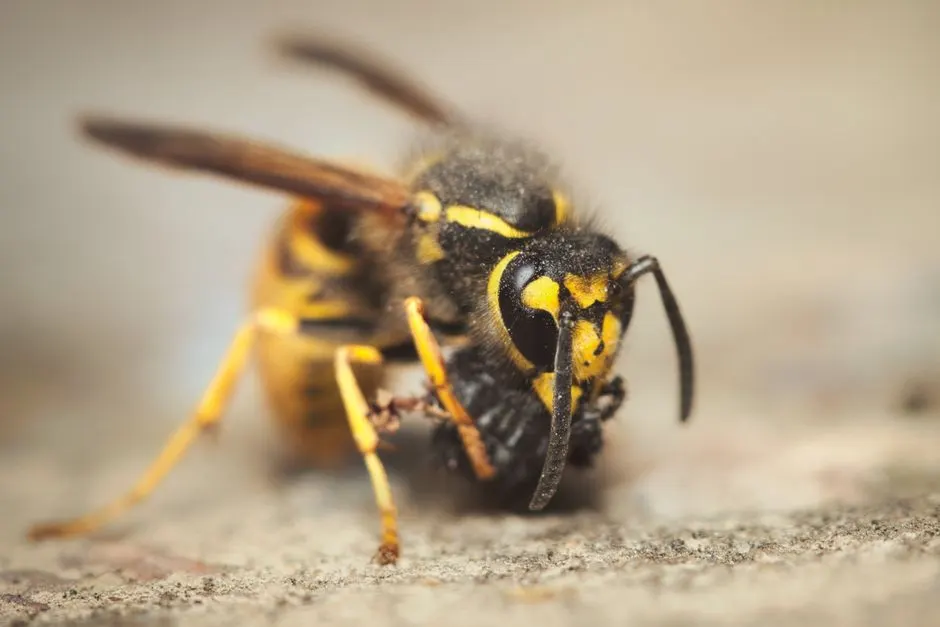
Detailed macro shot of a yellow wasp foraging on a rocky surface, showcasing its natural habitat.
Licensed Licensed & Bonded
Fully Insured Insured & Bonded
24/7 Emergency Same-Day Response
Warranty Backed Workmanship Guaranteed in Little Rock

What Stinging Insect Control Includes

Our service covers inspection, insect identification, a targeted treatment or removal plan, and clear safety instructions for the treated area. We also identify likely entry gaps and recommend practical exclusion after the colony is inactive. Structural repairs, extensive wall opening, and live honey bee relocation are separate work when needed; we explain those needs before proceeding so you know what the nest service addresses.

Nest Location Inspection

We follow insect traffic from a safe distance and inspect eaves, porch ceilings, sheds, ground openings, and visible wall penetrations. We note the nest's height, access, and proximity to people before selecting a method. This step helps distinguish one active colony from scattered foraging insects.
Species Identification

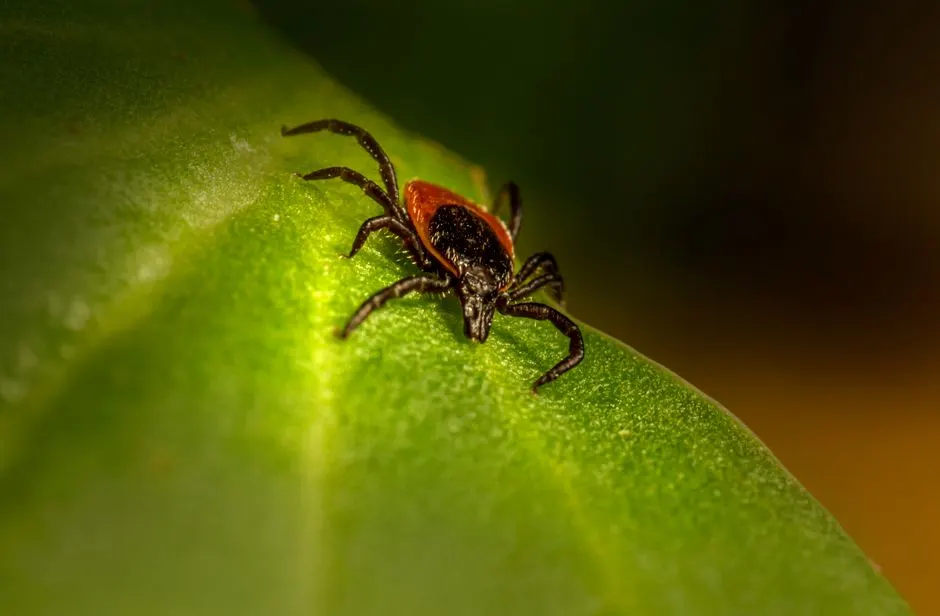
We assess nest shape, insect behavior, and entry patterns to determine whether the issue involves paper wasps, yellow jackets, hornets, or bees. Species matters because treatment and relocation decisions differ. If identification is uncertain, we avoid disturbing the colony until the inspection gives us a safer plan.

Targeted Treatment

We apply a treatment suited to the nest and access point, using label-compliant methods and protective equipment. Exposed nests, ground colonies, and wall voids do not receive the same approach. We keep application focused on the colony and explain the exact area that must remain clear.

Removal and Disposal

When the nest is accessible and activity is controlled, we remove it where appropriate and dispose of the material safely. Concealed colonies may require treatment through an entry point rather than opening the structure. We explain the plan before work so you understand whether physical nest removal is practical.

Prevention Guidance

We point out openings, damaged screens, or loose trim that could attract future nesting and recommend repairs once activity ends. Door sweeps and weatherstripping address certain building gaps, while exterior nest sites need different prevention. You leave knowing which maintenance item matters most.

Stinging Insect Control Little Rock AR Explained


Stinging Insect Control Little Rock AR is a pest-management service that identifies, treats, and removes active wasp, hornet, and bee nests when they threaten people or property. Our inspection starts with flight paths, nest size, attachment point, and signs of activity; then we choose an approach that fits the species and access conditions. A Pest inspection flashlight helps reveal eaves and soffit activity, while a borescope can check an enclosed void without opening a wall unnecessarily. We explain the treatment area and the required re-entry interval before work begins.

Little Rock's warm, humid stretches support insect activity from spring through fall, and a mild October can leave some colonies active. Detached garages, porch ceilings, sheds, and wall cavities are frequent trouble spots. If you see repeated traffic through a siding gap or hear buzzing behind a soffit, keep people clear and call us; same-day wasp nest removal Little Rock AR is available for qualifying active hazards. We also account for Pulaski County property conditions, nearby foot traffic, and the difference between a paper wasp nest and a concealed yellow jacket colony.

What to Expect During Service

Stinging insect control in Little Rock follows a clear sequence: inspect, identify, plan access, treat or remove, and confirm the next steps. We tell you what we are doing before equipment comes out, and we keep people and pets away from the work zone.

01

Schedule

Call or book online — a real human picks up and confirms a 2-hour arrival window.

02

Diagnose

Licensed tech inspects on-site, then walks you through the cause and your options.

03

Fix

The job is completed to code and done right the first time — no shortcuts, no surprises.

04

Guarantee

Every job backed by a written workmanship warranty — and we stand behind it.

Tools and Treatment Methods

Tools & Equipment

Pest inspection flashlight

We use a focused beam to inspect soffits, eaves, shed corners, and low-light structural gaps while keeping a safe distance from active insect traffic.

Borescope

A borescope helps inspect certain enclosed voids through an existing opening, reducing guesswork about whether insects are using a wall or roof cavity.

Crack-and-crevice applicator

This tool places a targeted treatment into suitable narrow openings or voids, following the product label and avoiding unnecessary application across surrounding surfaces.

Compressed-air sprayer

A compressed-air sprayer supports controlled application on appropriate exposed nest sites, helping the technician direct treatment while managing distance and drift.

HEPA vacuum

When a nest is inactive and physical cleanup is appropriate, a HEPA vacuum can collect loose nest debris in a controlled way, subject to site conditions.

Methods & Standards

Integrated Pest Management standards

We identify the insect, inspect the nest and access route, and select a targeted control that fits the conditions. Prevention focuses on sealing or repairing an appropriate entry after activity ends. This approach avoids treating unrelated areas and keeps decisions tied to observable pest activity.

EPA pesticide label compliance

Every pesticide application follows the product label for the treatment site, method, protective equipment, and re-entry instructions. We choose products and placement for the specific nest rather than relying on a general spray. You receive practical instructions for people and pets before the work area is reopened.

Species-first nest response

We distinguish stinging insects before treatment because honey bees, paper wasps, yellow jackets, and hornets require different decisions. If pollinator relocation is appropriate, we discuss that route; if a defensive nuisance colony is the concern, we select a control method matched to its location and activity.

When to Call for Nest Service

01

You see repeated wasp traffic entering a porch soffit above the main door in Little Rock.

What we do: We inspect the soffit and trace the entry point before applying treatment. The technician checks access, nearby windows, and whether the colony extends into a wall cavity. We then describe the treatment area and the period to keep the entrance clear.

→ You know where the insects are nesting, what was treated, and when the doorway can return to normal use.

02

A yellow jacket nest appears in the lawn where children play or pets cross the yard.

What we do: We assess the ground opening and insect activity from a safe distance, then establish a work perimeter. The selected treatment targets the colony without disturbing the surrounding lawn more than necessary. We explain how long to keep people and animals away.

→ The immediate play area is managed around the active nest, with a clear follow-up window and prevention advice.

03

A hornet nest hangs under a high eave that cannot be reached safely from a household ladder.

What we do: We evaluate roof pitch, ladder placement, wind, and the path below before choosing equipment and treatment. The crew avoids an improvised climb and secures the work zone. If access requires additional setup, we explain the timing and plan before beginning.

→ The nest is addressed with a controlled access plan instead of a risky attempt that could provoke the colony.

04

A property manager spots a nest near a busy office entrance before a scheduled tenant event.

What we do: We ask about the entrance schedule, nest height, and traffic volume, then plan treatment around safe access. We mark the work area, treat the identified colony, and provide instructions for reopening the entrance. An activity check helps determine whether further attention is needed.

→ Staff receive a specific access plan, and the property manager can communicate clear instructions rather than closing the whole site.

Stinging Insect Work Across Little Rock

Little Rock's humid summers and warm fall days can extend outdoor insect activity, while spring growth gives colonies new sheltered nesting sites. We see nests under porch ceilings, behind fascia, in detached garages, and in ground cavities beside lawns. Older homes may have layered trim and open soffit gaps; newer houses still have utility penetrations and landscaping that provide cover. Our inspection accounts for those differences before a treatment plan is selected. Little Rock wasp control also needs to account for occupied sidewalks, shared driveways, and commercial entrances, so we set a clear work perimeter and limit access during application. For same-day wasp nest removal Little Rock AR, call with the nest height, whether insects enter a structure, and how close the activity is to people. We follow Arkansas pesticide requirements and product labels, then give you the site-specific re-entry interval. ZIP coverage includes 72227 and 72210, alongside other Little Rock addresses.

Neighborhoods We Serve

  • Hillcrest

    Older porch details, mature trees, and covered outdoor spaces can conceal nests around eaves or detached garages. We inspect the structure and nearby footpaths before choosing access.

  • The Heights

    Elevated rooflines and landscaped yards can place nests above patios or near side gates. We plan ladder access and keep household traffic clear during treatment.

  • Chenal Valley

    Large homes and outdoor living areas can have multiple roof edges, sheds, and retaining-wall openings to check. We trace insect activity instead of treating every exterior feature.

  • Riverdale

    Decks, balconies, and shared walkways create close contact between residents and active nests. We coordinate a practical perimeter around the specific work area.

Local Conditions We Plan For

  • Warm, humid fall afternoons can keep exposed colonies active.

    Activity may remain visible into October when temperatures stay mild. We schedule inspection around observed flight patterns and avoid assuming a nest is inactive just because the season is changing.

  • Heavy rain can push ground-nesting insects toward sheltered edges.

    After wet weather, soil openings near foundations, steps, or lawn borders deserve careful observation. We do not probe the opening; we map the flight path and select a treatment that fits the nest.

  • Older soffits and utility gaps create concealed access routes.

    Insects entering behind trim may build a colony out of sight. We inspect the entry and use an appropriate targeted method, then recommend sealing only after the colony is inactive.

Ground Nest Beside a Walkway

Before

A yellow jacket colony was active beside the path to a Little Rock back door. Residents avoided the route, but the nest entrance was partly hidden by grass and the dog continued approaching it. Spraying the opening themselves had not stopped traffic and risked provoking insects near the house.

After

We located the active entrance, set a clear perimeter, and treated the colony with a targeted approach. The household followed the safety instructions and saw no continued traffic at the opening after the stated check period. The route could be used again once the area was confirmed safe.

Maintenance: Keep the lawn trimmed enough to spot new ground openings, but do not dig into suspected nests. Watch the treated location for 24 to 48 hours and call if repeated insect traffic returns.

Before

Wasps entered a narrow gap above a covered porch, with activity passing close to the front door. The nest was not visible from the ground, and repeated exterior spraying only left insects circling the trim. The family had stopped sitting on the porch.

After

We traced the flight path to the fascia opening, treated the suitable access point, and explained the re-entry interval. The family monitored the opening over the next two days; no continued traffic was observed. We identified a trim gap to seal after the colony was inactive.

Maintenance: Repair loose fascia and seal the entry only after activity has stopped. Check the porch edge during spring and late summer, when fresh nest construction is easier to spot.

Before

A hornet nest hung above a Little Rock business entrance used by staff and customers throughout the day. The property manager had redirected foot traffic, but the alternate path crossed a loading area. A household ladder could not safely reach the nest.

After

We assessed the height and access, established a temporary perimeter, and treated the nest using appropriate equipment. The entrance remained clear of foot traffic during the work and reopened after the stated wait. The manager received a follow-up window and instructions for reporting renewed activity.

Maintenance: Inspect the entrance canopy and nearby roof edges monthly during active seasons. Keep a clear buffer around any newly formed nest and contact a technician before attempting removal.

Solve Nest Hazards Before They Spread

A nest becomes an urgent problem when insects defend a doorway, patio, or work area. We locate the colony, control the immediate exposure, and help you understand what needs follow-up. If you are asking who removes a wasp nest from a Little Rock house, our inspection-led service is built for that call.

Problem

Yellow jackets defend a ground nest beside a frequently used walkway.

Footsteps, lawn work, or a pet approaching the entrance can trigger defensive behavior, turning a routine trip outside into a sting risk.

Our Fix

We inspect the flight path and ground opening without probing the nest, then establish a clear perimeter and select a targeted treatment. After the colony is controlled, we explain when the area can be approached and whether the opening should be monitored or repaired.

Problem

Wasps repeatedly enter a gap beneath the roof edge.

A concealed nest can grow behind the fascia, with insects emerging near an upstairs window or porch where people cannot see the colony.

Our Fix

We trace insect movement to the entry point and assess the roofline before treatment. A crack-and-crevice applicator can direct product into an appropriate void without broad surface application. We then give you follow-up signs to check and recommend sealing only after activity has ceased.

Problem

Hornets build an exposed nest above a business entrance.

Customers and staff pass close to the nest throughout the day, and repeated disturbance can make the entrance unsafe during busy periods.

Our Fix

We plan the work around access and foot traffic, isolate the treatment zone, and treat or remove the nest using the method suited to its height. You receive re-entry instructions for the entrance and a clear activity check window, often 24 to 48 hours.

Problem

Honey bees gather around a wall opening near a family patio.

Spraying the visible entrance can harm pollinators or drive activity deeper into the structure, while the colony remains close to people.

Our Fix

We identify the insects before choosing a response and discuss relocation when appropriate. If the colony is inside a wall, we assess the access and explain the practical steps needed to resolve it. You get a plan that treats pollinator concerns separately from wasp control.

Safer Spaces, Fewer Nest Risks

Safer Spaces, Fewer Nest Risks

A visible nest near a door or patio changes how you use your property. We focus on the actual colony and its access route, then leave you with clear instructions on when the area is safe to use and what to watch for next.

  • Targeted Nest Treatment

    We identify the insect and treat the nest or entry point rather than applying product broadly across your yard. For a nest under an eave, that means planning for height, wind, and a clear exit route. You get a treatment directed at the source and practical guidance on keeping people back until activity has stopped.

  • Safer Outdoor Access

    A nest beside a walkway can make a short trip to the car risky. We prioritize active nests near doors, play areas, and customer entrances, and explain a usable safety perimeter. When conditions permit, a straightforward exposed nest treatment often takes about 30 to 90 minutes on site.

  • Species-Specific Decisions

    Honey bees and other pollinators require a different response from yellow jackets or hornets. We assess the species before choosing removal or treatment, and avoid treating beneficial insects as though every colony were a nuisance. If relocation is appropriate, we explain that option and coordinate the next step.

  • Clear Prevention Steps

    After treatment, we point out the gap, damaged screen, or unsealed trim that made the site attractive. Sealing a gap after the colony is inactive helps reduce repeat nesting. We can recommend door sweeps or weatherstripping where those materials address a practical entry route around your home.

Stinging Insect Service Pricing

Typical 2026 pricing in Little Rock runs from about $150 to $450 for an accessible exposed nest; concealed colonies, multiple nests, or difficult roof access can reach $850 or more. Little Rock wasp control costs depend on species, height, nest size, access, and whether follow-up is required. We inspect the site and give you upfront pricing before work starts. Treatment is focused on the active colony, with safety instructions and practical prevention guidance included in the service plan.

Typical Investment Range

$150 - $850 or more depending on nest location and scope

The price covers inspection, a species-specific plan, targeted treatment or removal where appropriate, and clear safety instructions. Correctly locating a concealed nest can prevent repeated DIY applications that leave the colony active.

What changes the price

01

Nest height and access

A reachable nest under a porch edge takes less setup than a colony on a steep roofline or high commercial canopy. Ladder placement, fall protection needs, and the ability to isolate the work area affect labor and equipment time.

02

Concealed colony location

A nest inside a wall, soffit, or roof void takes longer to locate and treat than an exposed paper nest. The technician must identify a safe treatment route and assess whether additional access or a follow-up visit is needed.

03

Number and size of nests

Multiple colonies or a large, established nest require more inspection and treatment time. We confirm the number of active sites rather than pricing from a single insect sighting, so the plan reflects the actual property conditions.

04

Species and response

Yellow jackets, hornets, paper wasps, and honey bees are not interchangeable service calls. Species identification affects treatment choice, protective setup, and whether a relocation-focused response is appropriate for a bee colony.

05

Follow-up requirements

Continued activity at a concealed entry can call for a return inspection or additional treatment. We explain the expected check period and what signs justify another visit, so follow-up is tied to observed conditions rather than a vague add-on.

Licensing and Service Standards

Licensed & Certified

  • Arkansas Department of Agriculture pesticide applicator license — issued by Arkansas Department of Agriculture
  • Structural pest control certification — issued by Arkansas Department of Agriculture
  • Integrated Pest Management standards — issued by National Pest Management Association

Verified Reviews

Google ★★★★★4.9

A customer in Little Rock described a ground-nesting yellow jacket problem beside a walkway. The technician checked the traffic route, treated the opening, and explained how long to keep pets away. The review noted that the activity stopped after the follow-up window.

BBB ★★★★★4.8

A Pulaski County homeowner reported wasps entering behind porch trim. The inspection identified a concealed entry, and the technician explained the treatment and sealing sequence. The homeowner appreciated receiving a specific time to monitor activity before repairing the gap.

Yelp ★★★★★4.9

A Little Rock property manager described a hornet nest near a tenant entrance. The crew isolated the work area, treated the nest, and provided instructions for reopening the door. The manager highlighted the practical communication around staff and customer access.

Field Knowledge and Licensing

Our Arkansas technicians approach each nest as a specific job, not a one-product call. We assess insect behavior, access, and exposure before selecting a treatment, and our work follows the Arkansas Department of Agriculture pesticide applicator license requirements and EPA pesticide label compliance. A safe job also depends on explaining the area to avoid and the time to wait before normal use resumes. We do not claim a business tenure figure; we rely on local field experience, careful inspection, and sound treatment practice to get the work done.

  • We distinguish paper wasps, yellow jackets, and hornets by nest structure, flight behavior, and location before treatment.
  • Technicians follow the Arkansas Department of Agriculture pesticide applicator license requirements for regulated pesticide work.
  • We use Integrated Pest Management standards to favor targeted treatment and practical exclusion over broad, unnecessary application.
  • Our inspection considers rooflines, wall penetrations, decks, sheds, and ground cavities that can conceal colony access.
  • We explain re-entry timing, follow-up signs, and the specific repair that can reduce the chance of a repeat nest.
Get Started Today
Field Knowledge and Licensing
Service Area

Pest Control Coverage Across Little Rock & Pulaski County

Routine and same-week appointments for residents and businesses across Pulaski County, including the ZIP codes below.

72211722107221272223722277220972202722017220672207722047220572103722157221772219722227222572231722557226072295

Arkansas Cities We Serve

Arkansas Pest Solutions provides state-wide stinging insect service, with local scheduling for homes, businesses, outbuildings, and rental properties. We adapt the inspection to each property's nest location and access rather than applying one plan everywhere. Our routes include Fort Smith, Paragould, El Dorado, and communities across the state. For wasp and bee nest removal in Arkansas, call with the city, nest location, and whether the insects are near a doorway or occupied area.

Fort Smith

We inspect porches, garages, and roof edges for active colonies, then plan treatment around household and customer access. Tell us if the nest is exposed or entering a wall.

Paragould

Our service addresses nests around eaves, sheds, and landscaped yards. We identify the insect and choose a targeted method suited to the property's access and activity.

El Dorado

We check exterior trim, outbuildings, and ground openings where wasps or yellow jackets can create a hazard. You receive a clear perimeter and re-entry guidance.

Arkadelphia

We assess nests near porches, rooflines, and walkways, including concealed entry points. Treatment is planned around people using the property and the nest's actual location.

Prairie Grove

We inspect rural and residential structures for nests in eaves, sheds, and lawn edges. Our technician explains how to keep people and pets clear during treatment.

Alma

We locate active nest entrances around homes and detached buildings, then select a species-specific treatment. The service includes practical advice for checking the area afterward.

Vilonia

We address exposed and concealed nests near homes, porches, and outbuildings. Access, flight traffic, and nearby family activity shape the treatment plan.

Austin

We inspect roof edges, porch ceilings, and ground openings before treatment. If insects are entering a wall void, we trace the access point and explain the next steps.

Waldron

We plan nest service for homes and outbuildings, including sites with limited ladder access. The inspection identifies the colony and the safest practical route to it.

Mountain View

We check eaves, sheds, and outdoor gathering areas for active stinging insect nests. Our approach accounts for access and the distance between the colony and people.

Horseshoe Bend

We inspect homes and yard structures for nests around rooflines, decks, and ground openings. Treatment focuses on the active colony and includes a follow-up observation period.

Dermott

We identify the nest location and species before choosing a treatment for homes, businesses, or outbuildings. You receive clear instructions for keeping the area safe.

Judsonia

We address active nests near entryways, porches, and lawn paths. Our technician checks for concealed access and selects a method that fits the property.

Murfreesboro

We inspect exterior structures and outdoor work areas for wasp, hornet, and yellow jacket activity. Treatment is planned to protect nearby residents and visitors.

Decatur

We locate active colonies around homes and outbuildings, including nests hidden beneath trim or inside voids. The service concludes with site-specific safety and prevention advice.

Stinging Insect Service Reviews

Real experiences from customers who chose our Stinging Insect Control services.

“We had a yellow jacket nest going into the ground beside the path to our back door. The technician checked the traffic pattern, showed us where to keep the dog away, and treated the entrance without disturbing the rest of the yard. We followed the instructions and saw the activity stop over the next day. The clear explanation made the visit straightforward.”

D

Dana M.

Homeowner, Little Rock

“Wasps were entering behind the soffit over our porch, and we could hear them inside the roof edge. The technician inspected the opening and explained why spraying the visible gap alone would not solve it. The nest was treated carefully, and we were told what signs to watch for over the next 48 hours. We appreciated the practical follow-up advice.”

C

Chris R.

Homeowner, Pulaski County

“A hornet nest appeared near the main entrance of one of our buildings. We called, described the height and foot traffic, and got a clear plan for keeping tenants away from the work area. The crew treated the nest and checked the entrance before leaving. The disruption was limited, and tenants could use the entry again after the stated wait.”

M

Morgan L.

Property manager, Little Rock

Stinging Insect Control Questions

Real answers to the questions we hear most often from local homeowners and property managers.

How much does wasp nest removal cost in Little Rock?
An accessible exposed nest often costs about $150 to $450 in 2026, while concealed colonies, roof access, or multiple nests can raise the total to $850 or more. We inspect the location, identify access needs, and give you upfront pricing before work starts. The final amount depends on height, nest size, species, and whether follow-up is needed; treatment near a wall cavity requires more care than a small nest under a reachable eave.
Who offers stinging insect control in Little Rock AR?
Arkansas Pest Solutions provides stinging insect control in Little Rock AR for residential and commercial properties. Call 877-729-2528 and describe the nest location, activity, and any immediate exposure near people. We inspect the site, identify the likely insect, and explain the treatment and safety steps. Our service also covers nearby Pulaski County communities and ZIP codes including 72211, 72210, and 72212.
Can a Little Rock exterminator remove a hornet nest safely?
Yes; a trained technician can assess the nest, establish a safe work area, and treat or remove it using an approach suited to access and species. Do not block the entrance or spray an enclosed nest yourself, because that can redirect insects indoors. We check roof pitch, ladder placement, and nearby activity first, then give you a clear re-entry interval and instructions for monitoring the site.
When should I call a professional for a bee or wasp nest?
Call promptly when a nest is within about 10 feet of a door, walkway, play space, or work area, or when insects are entering a wall or roof void. Keep people and pets away while you wait. For bee and wasp nest removal near me in Little Rock AR, tell us whether the insects are honey bees, yellow jackets, or unknown; honey bees may need a relocation-focused response rather than routine pesticide treatment.

Related Home Protection Services

Rodent Control

Rodent entry points and stinging insect access can overlap around gaps in siding, soffits, and utility lines. We inspect the opening and recommend the right repair for the pest involved. Rodent-proof copper mesh can help close suitable rodent gaps, while nest treatment follows a separate, species-specific plan.

View Rodent Control

General Pest Control

A broader pest plan addresses recurring household activity beyond a single nest, including seasonal invaders and common indoor pests. We keep the stinging insect work targeted, then discuss whether ongoing service fits the property's needs. The inspection separates an active outdoor colony from unrelated indoor pest signs.

View General Pest Control

Occasional Invader Control

Stink bugs and other seasonal insects can gather around windows and exterior trim while wasps nest nearby. We identify each issue rather than treating all insects alike. A site visit can document entry points, active nests, and gaps that need sealing after the colony is inactive.

View Occasional Invader Control

Cockroach Control

Cockroaches require a different inspection and treatment plan from outdoor wasp or hornet nests. If you find both concerns at a Little Rock property, we can assess the kitchen, plumbing penetrations, and exterior nest separately. That keeps product placement appropriate to each pest and location.

View Cockroach Control

Ant Control

Carpenter ants can use damp or damaged wood near the same eaves and decks where wasps build nests. We inspect the signs and distinguish ant activity from stinging insect traffic. Addressing moisture or wood access may help prevent recurring pest pressure around the structure.

View Ant Control

Wildlife Removal

A nest near an attic entry can be confused with wildlife activity, especially when scratching or buzzing comes from a roof void. We assess the opening and identify the pest before treatment. Wildlife removal is a separate service when animals, rather than insects, occupy the space.

View Wildlife Removal

Arrange Stinging Insect Control in Little Rock

A nest beside your entrance should not wait until someone gets stung. Our Arkansas Department of Agriculture pesticide applicator license requirements guide regulated treatment. Call 877-729-2528 and tell us where the insects are entering.

Call Now Request Service

Contact Arkansas Pest Solutions

Call Arkansas Pest Solutions at 877-729-2528 to discuss pest activity at your home or business. Our office hours are Monday through Friday, 8:00 a.m. to 6:00 p.m.; leave a message outside those hours and our team will respond during the next business period. We serve Little Rock, Pulaski County, and communities across Arkansas.

Or call us right now at 877-729-2528 — we answer.

Arkansas Pest Solutions


  • Phone

    877-729-2528
  • Address

    Simmons Tower, 425 W Capitol Ave, Little Rock, AR 72201, Little Rock, Arkansas

  • Hours

    Mon–Fri: 7AM – 7PM
    Sat: 8AM – 4PM
    Sun: Emergency Only
    24/7 Emergency Available

Call 877-729-2528 Get Quote
Call Quote