Arkansas Pest Solutions
Get Estimate

Termite Control Little Rock AR for Safer Homes

Find activity early and protect the wood you depend on


Termite Control Little Rock AR helps homeowners and property managers find subterranean termite activity before hidden damage spreads through framing, trim, or floor supports. Our team inspects accessible areas, explains what the evidence means, and recommends a treatment matched to the building and infestation. If you have mud tubes, discarded wings, or soft wood, termite control in Little Rock, Arkansas gives you a clear next step.

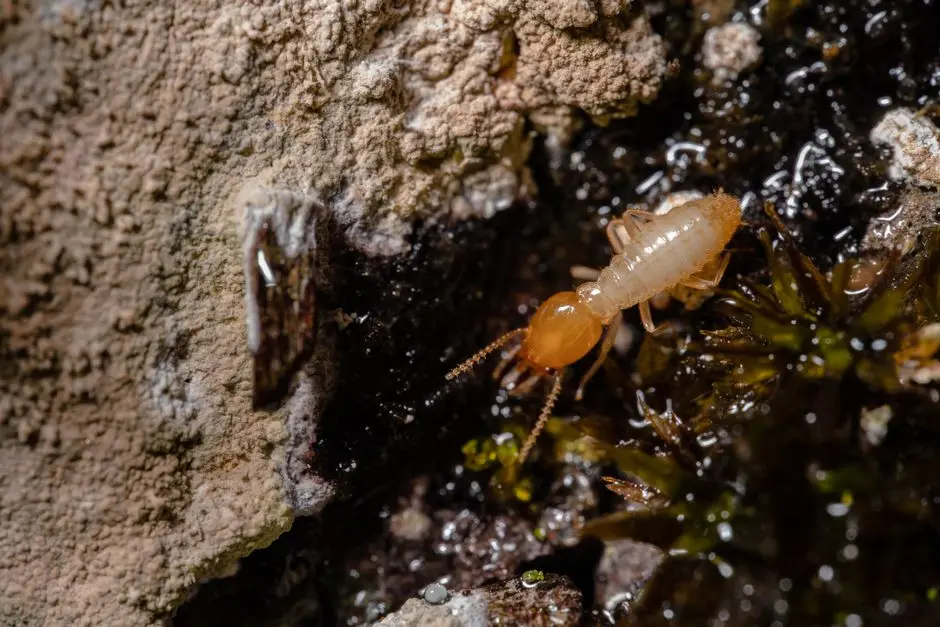
Detailed macro shot of a termite on wood, showcasing insect behavior and texture.
Licensed Licensed & Bonded
Fully Insured Insured & Bonded
24/7 Emergency Same-Day Response
Warranty Backed Workmanship Guaranteed in Little Rock

What Termite Service Covers

Our termite service includes an inspection of accessible risk areas, an explanation of evidence, and a treatment recommendation tied to the structure. When treatment is approved, we apply the selected method according to label directions and review monitoring or prevention steps. The work addresses termite activity and access conditions; carpentry, replacement of damaged framing, and drainage construction are separate repairs.

Accessible Area Inspection

We examine visible foundation edges, crawl-space access, garage areas, utility penetrations, and wood close to soil. The inspection is limited to areas that can be safely reached without opening finished walls or removing fixed building components.

Evidence Review

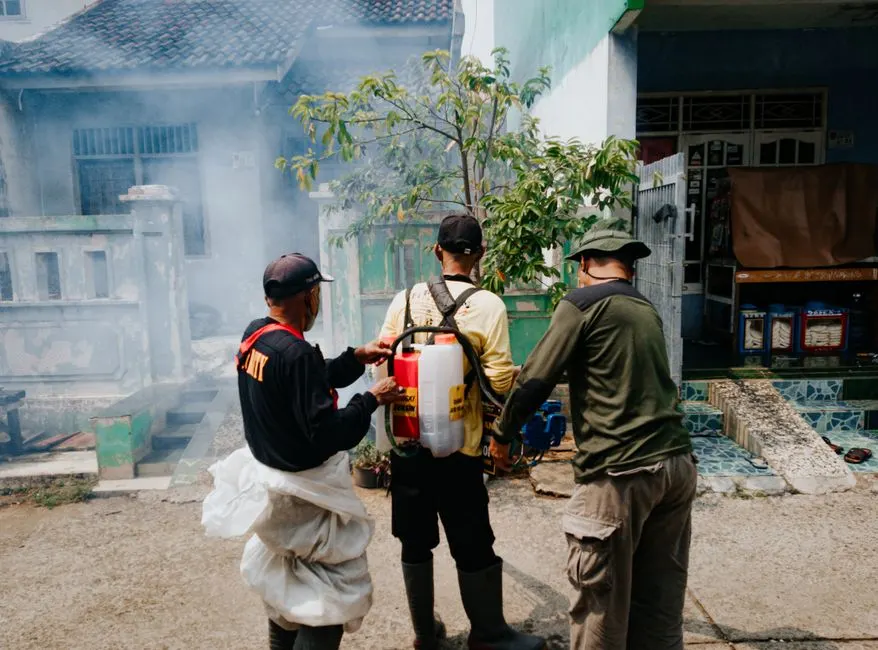
We show you suspected shelter tubes, damaged wood, discarded wings, and moisture conditions where accessible. You receive a clear explanation of what supports active termite concern and which observations need monitoring or further access.

Targeted Treatment

The treatment plan may use a labeled soil application or termite bait stations, depending on the structure and findings. We explain placement and household instructions before application, then follow the product label and treatment objective.

Prevention Guidance

We point out visible conditions that can increase risk, including standing water, soil against siding, and wood debris beside the foundation. You get specific suggestions for keeping inspection points accessible and reducing avoidable moisture.

Monitoring Recommendations

We explain what follow-up checks are needed for the selected method and how to recognize renewed signs. If stations are used, we record their locations and describe why they must remain accessible for inspection.

Termite Control Little Rock AR Explained


Termite Control Little Rock AR is a structural pest service that identifies termite activity and applies targeted measures to protect a building from ongoing subterranean termite damage. We inspect the foundation, accessible crawl spaces, utility penetrations, and areas where wood meets soil, then document visible evidence and moisture conditions. Depending on the findings, treatment can include a labeled soil application, bait stations, or focused work at a confirmed activity point. The goal is practical: interrupt termite access, address active evidence, and give you a plan for monitoring the structure after treatment.

Little Rock's warm, humid periods, wet ground after storms, and shaded foundation lines can create conditions that favor termite foraging. Older homes with crawl spaces, additions, porch supports, or wood debris near the foundation deserve careful attention, especially after plumbing leaks or drainage changes. Our termite treatment Little Rock AR visits focus on these risk points as well as visible signs such as shelter tubes and damaged trim. If you are searching for termite prevention for Little Rock homes, we check moisture sources and entry conditions alongside active termite evidence.

What to Expect During Service

Termite Control Little Rock AR follows a straightforward sequence: inspect, identify, treat, and monitor. We explain access needs before starting, protect your household during application, and review what we found before leaving. Most inspection visits take about 45 to 90 minutes; treatment time depends on the building's size, access, and selected method.

01

Schedule

Call or book online — a real human picks up and confirms a 2-hour arrival window.

02

Diagnose

Licensed tech inspects on-site, then walks you through the cause and your options.

03

Fix

The job is completed to code and done right the first time — no shortcuts, no surprises.

04

Guarantee

Every job backed by a written workmanship warranty — and we stand behind it.

Tools and Treatment Methods

Tools & Equipment

Pest inspection flashlight

We use focused light to examine foundation joints, crawl-space framing, and dark utility areas for shelter tubes, damaged wood, and other visible signs.

Borescope

Where access permits, a Borescope helps view a limited concealed cavity through an existing opening. It supports inspection without treating an unseen space as confirmed activity.

Moisture meter

A moisture meter helps compare damp and dry wood or building materials near suspected activity, giving context for decay risk and moisture conditions.

Termite monitoring stations

Stations provide designated inspection points around selected exterior areas. We record their positions and check them according to the monitoring plan.

Crack-and-crevice applicator

When a labeled treatment calls for precise placement in an accessible gap, this applicator directs material into the intended treatment area rather than across an unrelated surface.

Methods & Standards

Integrated Pest Management

We combine inspection, identification, treatment, and prevention steps instead of relying on application alone. The technician considers termite evidence, moisture, construction, and access conditions, then chooses the least extensive effective approach supported by the findings. You receive practical steps for reducing conducive conditions and monitoring the structure.

Labeled soil treatment

Where a soil application is appropriate, we treat specified areas around the structure according to the product label and site requirements. Access, concrete, landscaping, and utility lines affect preparation. We explain the treatment boundary and any instructions you need to follow during and after the work.

Bait-based monitoring

Bait stations are placed at selected exterior points and checked on a defined schedule. This method relies on continuing inspection rather than a one-time perimeter spray. We explain what the station is for, how to keep it accessible, and what observations trigger a service response.

Moisture and access correction

We identify conditions that can support termite access, such as leaking downspouts, persistent dampness, wood stored against the foundation, or concealed soil contact. We show you practical corrective actions, while structural repairs and drainage construction remain work for the appropriate trade.

When to Call for Termite Service

01

You find a brown shelter tube on a foundation after a week of rain and want to know if it is active.

What we do: We inspect the tube and surrounding foundation, then check accessible crawl-space or interior areas for related evidence. We explain whether the signs support active subterranean termites and recommend treatment or monitoring based on the findings. Avoid spraying the tube before inspection because that can obscure useful evidence.

→ You learn what the tube indicates, where the likely access route is, and what action makes sense for your home.

02

A Little Rock home renovation exposes damaged sill wood beside a plumbing line.

What we do: We examine the exposed area, nearby utility penetration, and accessible foundation conditions. The technician distinguishes termite galleries from rot or mechanical damage and identifies whether current activity is present. If treatment is needed, we coordinate the pest-control work with the exposed construction area.

→ You can address pest activity before the contractor closes the wall or replaces the affected section.

03

A homeowner is preparing to buy an older property with a crawl space and no visible treatment record.

What we do: We inspect accessible foundation and crawl-space areas for current evidence, old damage, moisture, and soil contact. We explain limitations where insulation or stored items block the view and provide findings you can use in planning next steps. Treatment is recommended only when the inspection supports it.

→ You get a clearer picture of visible termite risk before deciding how to handle the property.

04

Termite monitoring stations were installed years ago, but you do not know whether they are still being checked.

What we do: We locate accessible stations, inspect their condition, and check the surrounding foundation for fresh evidence. We explain whether the existing layout remains useful or whether another monitoring approach is appropriate. The plan includes keeping stations clear of mulch, stored items, and landscaping changes.

→ You know where monitoring points are, what they are intended to show, and what follow-up is needed.

How Termite Work Fits Little Rock Homes

Termite Control Little Rock AR must account for warm, humid weather, wet soil after storms, and the mix of slab, pier, and crawl-space construction found across the city. In Pulaski County, a shaded foundation with poor drainage can stay damp longer than an exposed wall, while older additions may create concealed wood-to-soil contact. We inspect accessible areas rather than assuming every home has the same risk. For termite treatment Little Rock AR, we check foundation joints, porch supports, plumbing entries, crawl-space framing, and landscaping that hides the inspection line. The local building code and site layout affect access and repair work; pesticide use follows the product label and applicable state requirements. If you need same-day termite inspection in Little Rock, call with the signs and your address so we can discuss service options. Seasonal swarming often draws attention in spring, but October inspections still matter when recent rain, leaks, or renovation expose hidden evidence. We explain whether treatment, monitoring, or moisture correction is the next practical step.

Neighborhoods We Serve

  • Hillcrest

    Older homes and varied additions can create hidden transitions at porches and utility entries. We inspect those junctions alongside accessible foundation and crawl-space areas.

  • Chenal Valley

    Sloped lots, retaining features, and landscaped foundation beds can make some exterior edges harder to inspect. We focus on visible access points and keep station locations clear.

  • Downtown Little Rock

    Renovated properties may combine older framing with newer additions. We compare exposed and concealed areas where access permits and distinguish current activity from historic damage.

  • Briarwood

    Crawl-space conditions and drainage around shaded sides of a home can affect inspection priorities. We check accessible framing, moisture, and soil contact.

Local Conditions We Plan For

  • Heavy rain leaves shaded foundation beds damp for several days

    Persistent moisture can make inspection evidence harder to interpret and increase the importance of checking downspouts, grade, and soil contact. We record visible conditions and explain which drainage corrections can improve the home's risk profile.

  • Crawl-space access is restricted by stored items or low clearance

    Blocked access limits what can be inspected and may extend the visit if safe movement is difficult. We examine accessible areas, identify the limitation plainly, and focus treatment on locations that can be reached and supported by evidence.

  • Mulch or landscaping covers the foundation inspection line

    Covering the foundation can hide shelter tubes and treatment points. We check accessible edges and explain where keeping a clear inspection gap helps you spot new activity and maintain access to monitoring stations.

Foundation Tube by a Crawl Space

Before

A homeowner found a narrow shelter tube at the rear foundation and saw soft wood near a crawl-space vent. The damp corner had a downspout outlet beside it, and stored materials blocked part of the wall. No one knew whether the activity was current or how far it extended.

After

We inspected the accessible perimeter and crawl-space entry, documented the tube location, and treated the supported area using the selected method. The homeowner cleared stored items and redirected the downspout. Follow-up focused on the same foundation section and the treatment points recorded during the visit.

Maintenance: Keep the foundation edge visible, direct roof water away from the house, and check the marked area during routine outdoor work. Report fresh tubes or renewed wood damage rather than removing evidence before inspection.

Before

A remodeling crew uncovered damaged sill material beside a plumbing penetration in an older Little Rock home. The exposed wood showed galleries, but the owner could not tell whether termites were still present or whether the damage was from a past infestation.

After

We inspected the opening and adjacent accessible foundation areas, then explained which evidence indicated current concern and which damage appeared inactive. The treatment covered the identified access route, and the contractor could plan the wood repair with the pest-control findings in hand.

Maintenance: Before the wall is closed, keep the treated area accessible for any recommended check. Repair leaking plumbing, avoid storing wood against the foundation, and retain the treatment notes with the home's maintenance records.

Before

A property owner noticed several plastic stations around the yard but had no record of their purpose or last inspection. Landscaping had grown over two points, and a recent fence project disturbed soil near the house.

After

We located the accessible stations, checked their condition, and inspected the nearby foundation for visible activity. The owner received a simple location record and a monitoring recommendation for the affected perimeter. We also identified which stations needed to remain uncovered for future checks.

Maintenance: Keep stations visible and avoid moving them during landscaping or fence work. If soil is disturbed near the foundation, tell your technician so the monitoring layout and inspection priorities can be reviewed.

Stop Termite Damage Before It Spreads

Termites can damage structural wood out of sight, so visible evidence deserves a timely inspection. Our team connects the signs to likely access points, then treats confirmed activity and explains what needs monitoring. If damaged material is already present, we help you separate pest control from the repair work needed to restore it.

Problem

Mud tubes rising from soil along a foundation wall

Shelter tubes can provide termites a protected route to wood above ground, while concealed feeding continues behind trim or inside a wall.

Our Fix

We inspect the tube, nearby soil-to-wood contact, and accessible interior areas to determine whether activity is present. We then explain a suitable treatment route and help you keep the inspection area visible. Do not remove every tube before the visit; its location can help show where termites are traveling.

Problem

Soft or blistered trim near a damp crawl space

Moisture can weaken wood and create favorable conditions near termite access points, making it harder to distinguish active feeding from decay without inspection.

Our Fix

We check the affected trim and nearby accessible framing, use moisture readings where appropriate, and look for shelter tubes or other evidence. You receive a treatment recommendation for confirmed termite activity plus practical notes about the moisture source. A carpenter handles replacement of wood that has lost structural strength.

Problem

Discarded wings appearing inside after warm weather

Winged reproductive termites can emerge near a structure, but wings alone do not confirm a colony inside the house or identify the entry point.

Our Fix

We inspect windows, door frames, foundation edges, and accessible crawl-space areas for supporting evidence. If activity is confirmed, we describe the treatment and monitoring plan. If no termite evidence is found, we explain what we checked and which signs would justify a follow-up inspection.

Problem

Old termite treatment with no clear monitoring plan

Construction changes, soil disturbance, or blocked access can interfere with protection and leave new entry routes unobserved over time.

Our Fix

We review visible treatment history and inspect accessible foundation areas for current signs and changed conditions. We do not assume an older application has failed or remains effective without considering the structure and evidence. You receive a current recommendation for monitoring, retreatment, or corrective action.

Practical Protection for Your Property

Practical Protection for Your Property

A good termite plan starts with evidence, not guesswork. We explain what we found, identify the areas that need attention, and connect treatment to the structure's actual risk so you know what happens next.

  • Find Hidden Activity

    Termites often work behind trim, below floors, or inside wall cavities before damage is obvious. We use a Pest inspection flashlight and moisture meter to examine accessible areas, record conducive conditions, and distinguish likely termite evidence from ordinary wood deterioration. That gives you a more useful answer than treating every dark mark or crack as an infestation.

  • Target the Entry Route

    Subterranean termites travel from soil to wood through concealed routes, including foundation joints and utility penetrations. We map visible shelter tubes and apply treatment where the inspection supports it. A focused approach helps protect vulnerable areas without treating the service as a generic spray job.

  • Reduce Repeat Risk

    Moisture control and monitoring matter after treatment. We point out conditions such as a leaking downspout, damp crawl space, or soil piled against siding, then explain which corrections can reduce access and keep inspection points visible. You leave knowing what to change and what signs to watch for.

  • Keep the Plan Clear

    You receive a plain explanation of findings, treatment steps, and follow-up recommendations. If bait stations are part of the plan, we show you where they are placed and why. An annual review can help catch renewed activity before it becomes a larger repair problem.

Termite Treatment Pricing

In 2026, termite treatment in Little Rock commonly ranges from $500 to $2,500 for residential work, with the final price based on inspection findings and the method required. A limited, accessible area costs less than a large perimeter with concrete obstructions or difficult crawl-space access. We inspect first and explain the price before treatment. The range covers pest-control work, not carpentry to replace damaged framing, extensive drainage changes, or major construction access.

Typical Investment Range

$500 - $2,500 for common residential treatment, depending on scope

A careful inspection and targeted treatment can address the access route before hidden damage grows. We give you upfront pricing and explain what the service covers, so you can compare the plan with the condition of your property.

What changes the price

01

Building size

A longer foundation perimeter generally requires more inspection time and, for some methods, more material or monitoring points. A small, simple footprint is usually less involved than a multi-level home with additions, detached structures, or several separate foundation sections.

02

Treatment method

A labeled soil treatment and a bait-based monitoring program have different material, installation, and follow-up requirements. We recommend a method based on evidence, access, and the structure rather than choosing solely by the lowest initial price.

03

Access and obstacles

Concrete patios, finished areas, low-clearance crawl spaces, dense landscaping, and buried utilities can make treatment more labor-intensive. The technician identifies these constraints during inspection and explains how they affect the work and price.

04

Activity and damage

A confirmed active route may require treatment across a broader area than one isolated sign. Structural wood repair is separate from pest treatment, and the amount of damaged material affects the repair contractor's cost rather than the termite service price.

05

Monitoring needs

A bait plan includes station placement and continuing checks, so the service schedule affects overall cost. We explain the monitoring interval and what each visit covers before you choose that approach.

Standards Behind the Work

Licensed & Certified

  • Arkansas Department of Agriculture pesticide applicator license — issued by Arkansas Department of Agriculture
  • Structural pest control certification — issued by Arkansas Department of Agriculture
  • Integrated Pest Management standards — issued by National Pest Management Association
  • EPA pesticide label compliance — issued by U.S. Environmental Protection Agency

Verified Reviews

Customer feedback Not stated

A Little Rock homeowner called after finding mud tubes along a crawl-space wall. The technician showed the evidence, explained the treatment area, and identified a wet downspout corner that needed attention. The customer valued the clear inspection and the practical follow-up instructions.

Customer feedback Not stated

A property manager had questions about old termite stations and recent landscaping. The service visit checked the accessible perimeter, identified blocked stations, and left a clear monitoring plan. The team explained what the stations measured and what changes to report after yard work.

Customer feedback Not stated

During a renovation, a homeowner discovered damaged wood near a plumbing line. The inspection helped distinguish termite signs from moisture damage and gave the contractor useful information before closing the wall. The homeowner appreciated the direct explanation and focused treatment recommendation.

Field Knowledge That Matters

Our Arkansas Pest Solutions technicians approach termite work as structural pest management, not routine surface spraying. We look at the building's construction, soil contact, water movement, and evidence before choosing a method. Our work follows Integrated Pest Management standards and EPA pesticide label compliance, with applications selected for the site and performed according to product directions. We do not claim a fixed number of years or jobs; we put the focus on accurate inspection, clear findings, and treatment decisions you can understand.

  • We inspect soil-to-wood contact, expansion joints, plumbing penetrations, and crawl-space access instead of relying on a quick perimeter glance.
  • Our team uses moisture readings and visual evidence to separate active termite concerns from old damage or unrelated wood decay.
  • Treatment products are selected and applied in line with label directions, site conditions, and the treatment objective.
  • We explain how bait stations differ from a liquid soil treatment so you understand the maintenance and monitoring involved.
  • Our technicians identify repair and drainage conditions that can undermine termite protection, including standing water and concealed wood debris.
Get Started Today
Field Knowledge That Matters
Service Area

Pest Control Coverage Across Little Rock & Pulaski County

Routine and same-week appointments for residents and businesses across Pulaski County, including the ZIP codes below.

72211722107221272223722277220972202722017220672207722047220572103722157221772219722227222572231722557226072295

Cities We Serve Across Arkansas

Our statewide termite coverage connects Little Rock with communities across Arkansas, with inspection and treatment plans shaped by local building access, moisture, and soil conditions. We serve North Little Rock and nearby areas as well as towns farther from Pulaski County. For termite control in Little Rock, Arkansas, and other listed communities, our team identifies the signs, explains available methods, and sets out practical monitoring steps for your property.

North Little Rock

We inspect accessible foundations, crawl spaces, and utility entries, then tailor treatment to the home's layout and any visible subterranean termite evidence.

West Memphis

Our termite visits focus on soil contact, moisture, and foundation access, with a treatment plan based on the structure and evidence found.

Blytheville

We check accessible perimeter areas and wood-to-soil contact, then explain treatment or monitoring options for the property's construction.

Beebe

Our inspection reviews foundation edges, crawl-space access, and moisture conditions so you can act on confirmed termite signs.

East End

We look for shelter tubes, damaged wood, and drainage conditions around the home before recommending a targeted treatment method.

Warren

Termite service begins with an evidence-based inspection of accessible structural areas, followed by treatment and monitoring guidance matched to the property.

Gentry

We assess soil contact, utility penetrations, and visible wood damage, then explain which treatment approach fits the inspection findings.

Manila

Our technicians check accessible foundation and crawl-space areas for termite evidence and identify moisture conditions that should be corrected.

Corning

We inspect likely access points and explain the difference between active termite signs, old damage, and unrelated wood deterioration.

Gosnell

Treatment planning accounts for the building's perimeter, access, and visible evidence, with monitoring recommendations where the chosen method requires them.

Prairie Creek

We examine accessible foundation edges and wood near soil, then provide clear guidance on treatment, moisture correction, and follow-up.

Marked Tree

Our termite inspection focuses on shelter tubes, damp areas, and structural entry points before we recommend a site-specific response.

Augusta

We evaluate accessible crawl spaces, foundation joints, and moisture conditions, then explain a practical treatment and monitoring plan.

Rector

Our service identifies termite evidence and potential access routes, with treatment chosen to suit the home's construction and inspection results.

Stamps

We check foundation access and exposed wood for signs of subterranean termites, then review treatment options and prevention steps with you.

What Customers Say

Real experiences from customers who chose our Termite Control services.

“We found a narrow mud tube near the back foundation and were worried it had reached the living room. The technician checked the crawl-space access and showed us the activity point, then explained the treatment and monitoring plan. The visit took about an hour, and we appreciated having the damp area and the downspout issue pointed out clearly.”

M

Megan R.

Homeowner, Little Rock

“During a remodel, we noticed wood damage beside a utility penetration. The inspection helped separate older damage from the active signs, and the treatment plan focused on the affected foundation area. We were shown where monitoring stations would go and what to keep clear around them. The explanation was direct and easy to follow.”

D

David T.

Homeowner, North Little Rock

“A tenant reported winged insects near a window after rain. The technician inspected the accessible exterior and crawl space, then explained why the insects alone were not enough to identify the source. We received a clear next-step plan and practical notes about moisture and foundation access for the maintenance team.”

A

Angela P.

Property manager, Little Rock

Termite Questions, Straight Answers

Real answers to the questions we hear most often from local homeowners and property managers.

How much does termite treatment cost in Little Rock?
In 2026, a typical termite treatment in Little Rock ranges from about $500 to $2,500, depending on the home's size, access, and treatment method. A focused bait setup or limited treatment may cost less; a larger perimeter, difficult crawl-space access, or extensive drilling can raise the total. We inspect first, explain the recommended work, and give you the price before treatment. Repairing damaged wood is usually a separate construction task.
Who provides termite control in Little Rock AR?
Arkansas Pest Solutions provides termite control in Little Rock AR, including inspections, targeted treatment, and monitoring recommendations. Our team checks accessible foundations, crawl spaces, and common entry points, then explains the evidence and options. For a termite treatment near me in Little Rock AR, call 877-729-2528 and tell us what signs you have found, such as mud tubes, wings, or soft wood.
How do I know if my Little Rock home has termites?
Mud tubes, discarded wings near windows, blistered paint, and hollow-sounding wood are common warning signs, but an inspection confirms whether termites are active. Look along foundation walls, crawl-space supports, and utility penetrations without disturbing suspected tubes. Our technician uses a flashlight and moisture meter to check accessible areas and explain what is current activity versus old damage.
How long does a termite treatment protect a house?
A liquid soil treatment is designed to provide protection for several years when correctly applied, while bait systems require ongoing inspection and maintenance. Exact duration depends on the product label, soil disturbance, construction changes, and site conditions. We explain the treatment's expected monitoring schedule and what could affect it. Keep drainage working and avoid covering inspection points with soil, mulch, or stored materials.

Other Services for Your Property

Rodent Control

Rodents and termites create different building risks, but both can enter through unnoticed gaps. We inspect for entry points, nesting evidence, and structural vulnerabilities, then address the pest issue that is present. Pairing the right service helps you keep crawl spaces, garages, and utility areas easier to monitor.

View Rodent Control

General Pest Control

Routine pest service addresses common crawling and occasional invader pests, while termite work focuses on wood-damaging colonies and structural access. If you are seeing several kinds of activity, we can inspect the property and clarify which concerns need separate treatment methods.

View General Pest Control

Stinging Insect Control

Wasps and yellow jackets create an immediate outdoor hazard near eaves, decks, and entryways. Termite service addresses concealed structural activity instead. We identify the pest first so your response matches the risk, especially when nests or suspected termites are close to a frequently used entrance.

View Stinging Insect Control

Occasional Invader Control

Seasonal insects can enter through door gaps, window frames, and other openings, while termites move through soil and concealed structural routes. We distinguish these issues during inspection and explain which treatments address each one, so a visible insect does not distract from possible wood damage.

View Occasional Invader Control

Cockroach Control

Cockroach activity often points to food, water, or harborage conditions inside a building; termite activity requires a separate inspection of wood and foundation access. We can identify the evidence and recommend the appropriate service rather than treating unrelated pests with one method.

View Cockroach Control

Ant Control

Some ants forage indoors for food, while carpenter ants can damage damp or decaying wood. Termites also attack structural wood, but their signs and treatment differ. Our inspection helps determine whether you have ant activity, termite evidence, or both, then directs the response accordingly.

View Ant Control

Protect Your Home from Termites

If you have found a shelter tube, discarded wings, or damaged wood, let us inspect the evidence before it spreads. Arkansas Pest Solutions follows EPA pesticide label compliance. Call 877-729-2528 to arrange termite service in Little Rock.

Call Our Team Book an Inspection

Contact Arkansas Pest Solutions

Call Arkansas Pest Solutions at 877-729-2528 to discuss pest activity at your home or business. Our office hours are Monday through Friday, 8:00 a.m. to 6:00 p.m.; leave a message outside those hours and our team will respond during the next business period. We serve Little Rock, Pulaski County, and communities across Arkansas.

Or call us right now at 877-729-2528 — we answer.

Arkansas Pest Solutions


  • Phone

    877-729-2528
  • Address

    Simmons Tower, 425 W Capitol Ave, Little Rock, AR 72201, Little Rock, Arkansas

  • Hours

    Mon–Fri: 7AM – 7PM
    Sat: 8AM – 4PM
    Sun: Emergency Only
    24/7 Emergency Available

Call 877-729-2528 Get Quote
Call Quote