
Arkansas Pest Solutions
Get Estimate

Occasional Invader Control Little Rock AR

Keep seasonal pests outside with targeted, local treatment


Occasional Invader Control Little Rock AR helps homeowners and property managers stop stink bugs, house centipedes, boxelder bugs, and other pests that wander indoors as weather changes. Our team inspects likely entry points, identifies the invader, and treats the conditions drawing it inside. With fall weather underway across Arkansas, now is the time to address gaps, damp areas, and repeated sightings before pests settle into walls or attic spaces.

Street art featuring a retro pixelated space invader on a vivid yellow brick wall.
Licensed Licensed & Bonded
Fully Insured Insured & Bonded
24/7 Emergency Same-Day Response
Warranty Backed Workmanship Guaranteed in Little Rock

What Occasional Invader Control Includes

Our service covers identification, inspection of likely entry routes, targeted treatment, and prevention guidance for the occasional invader found at your property. We explain any separate issue that calls for a different service, such as termite activity or a rodent infestation. Repairs requiring construction are not part of an insect treatment, but we identify where door sweeps, sealant, or other exclusion work can help.

Pest Identification

We identify the insect from your description, a photo, or a specimen, then confirm signs during inspection. This prevents treatment for a lookalike pest that needs a different response. We document where activity appears and whether the pattern is seasonal, moisture-related, or linked to an opening.
Entry Point Inspection

We check exterior doors, windows, foundation transitions, vents, and accessible utility penetrations. A flashlight and moisture meter help locate conditions that support activity. You receive practical priorities for visible gaps, worn screens, and damp areas connected to the pest.

Targeted Treatment

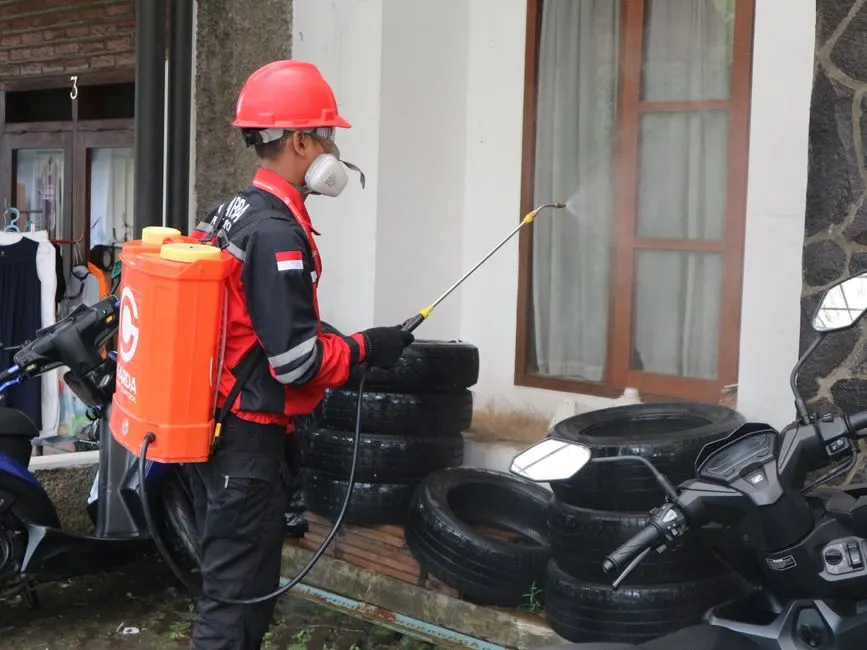
We apply a product only to appropriate, labeled locations, such as a crack, crevice, or selected exterior zone. Product choice and placement depend on the pest and site conditions. We share preparation and re-entry instructions before treatment so you know how to use the space safely.

Prevention Recommendations

We identify useful exclusion steps, including door sweeps, weatherstripping, or sealing a specific opening. Recommendations are tied to actual inspection findings rather than a generic checklist. You can prioritize the highest-access gaps first and monitor whether sightings decline over the following 7 to 14 days.

Occasional Invader Control Little Rock AR


Occasional Invader Control Little Rock AR is a targeted pest management service that identifies and reduces insects entering buildings seasonally or by chance. We inspect exterior foundations, window frames, soffits, utility penetrations, basements, and other likely access points, then match treatment to the pest and its entry route. The work can include crack-and-crevice application, limited exterior treatment, monitoring, and practical exclusion such as door sweeps or weatherstripping. We focus on the source rather than applying product indiscriminately, and explain which steps are appropriate for your home.

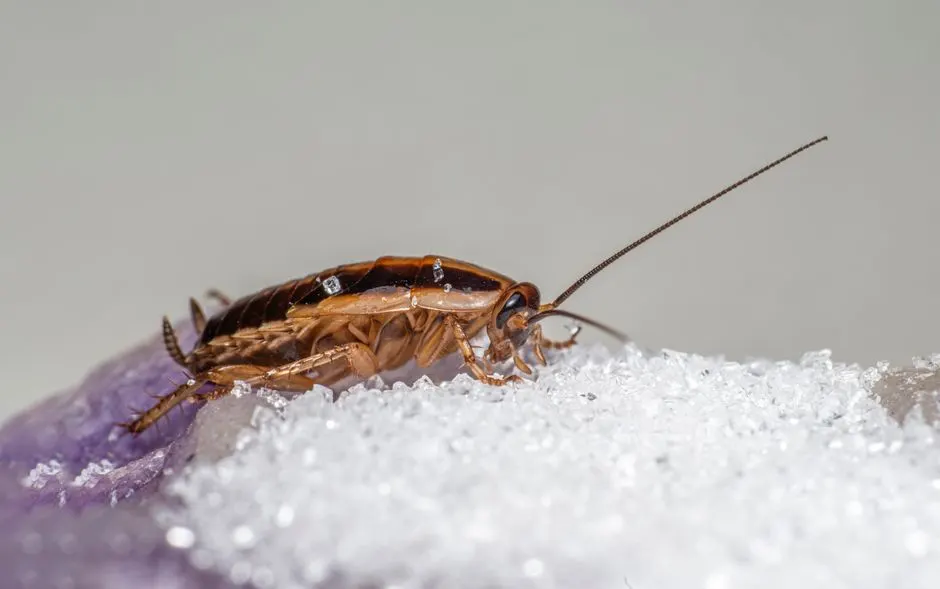
Little Rock's humid summers, wooded lots, and changing fall temperatures create different pressure around homes in Pulaski County. Stink bugs and other overwintering pests seek sheltered cracks as temperatures fall, while house centipedes are often found in damp basements, bathrooms, or crawl spaces. Our local inspection separates occasional invaders from a German cockroach infestation or another issue requiring a different service. If you need help with stink bugs inside a Little Rock home, we trace access points and recommend a practical prevention plan.

What To Expect

Occasional Invader Control Little Rock AR follows a straightforward sequence: identify the pest, inspect the structure, treat the relevant areas, and reduce access. We keep you informed at each stage so you know what we found, what we treated, and what you can do next.

01

Schedule

Call or book online — a real human picks up and confirms a 2-hour arrival window.

02

Diagnose

Licensed tech inspects on-site, then walks you through the cause and your options.

03

Fix

The job is completed to code and done right the first time — no shortcuts, no surprises.

04

Guarantee

Every job backed by a written workmanship warranty — and we stand behind it.

Inspection Tools And Methods

Tools & Equipment

Pest inspection flashlight

We use focused light to inspect dark corners, foundation edges, window tracks, and utility openings. Clear visibility helps us distinguish insect activity from debris and document likely access points.

Moisture meter

A moisture meter checks damp areas near bathrooms, basements, and crawl-space access. Readings help us identify conditions that may support centipedes or their prey and guide practical prevention advice.

Crack-and-crevice applicator

This tool places product into appropriate narrow gaps rather than across an entire surface. We use it only where the pest, site, and product label support that application.

Insect monitoring glue board

A monitoring board can help track movement in a discreet location after inspection. It supports identification and follow-up decisions but does not substitute for correcting an entry gap or moisture condition.

BASF

Where an appropriate labeled product is selected, we follow its label directions for treatment site, rate, and re-entry. Product selection depends on the pest and conditions found during the visit.

Methods & Standards

Integrated Pest Management standards

We combine identification, inspection, targeted treatment, monitoring, and exclusion recommendations. The technician considers pest biology and the building conditions before choosing a control step. This limits unnecessary application and gives you a plan for reducing access and tracking results.

Label-directed application

Every product is used according to its label, including approved sites, application rates, and safety instructions. We select a treatment only after identifying the pest and relevant surfaces. If the label does not support an application in a particular area, we use a different suitable method.

Exclusion-focused prevention

We trace openings that connect exterior shelter to indoor space and recommend practical corrections. Door sweeps, weatherstripping, and appropriate sealant can reduce access when installed at the identified location. We prioritize gaps by size, activity, and how often the opening is used.

When To Call For Service

01

Stink bugs appear each afternoon on sunny windows as October temperatures begin to drop.

What we do: We inspect the exterior wall and nearby frames, identify openings, and determine whether the insects are entering or gathering outside. Our technician applies targeted treatment where appropriate and marks gaps for sealing. You receive clear directions for monitoring the treated areas and avoiding indoor disturbance.

02

A house centipede keeps appearing in a Little Rock basement after rain or humid weather.

What we do: We check accessible foundation edges, plumbing penetrations, and damp corners, then assess whether moisture and insect prey are supporting activity. Treatment focuses on relevant cracks and harborage. We also explain practical moisture reduction and sealing steps so you can address the conditions contributing to repeat sightings.

03

Boxelder bugs gather beside a frequently used entry door at a rental property.

What we do: We inspect the threshold, screen, and exterior surfaces around that door, then treat the active route according to the label. We note any worn sweep or loose screen that gives insects access. The property manager receives a concise account of work completed and repairs to prioritize.

04

You find a few unfamiliar insects indoors and cannot tell if the problem is growing.

What we do: We identify the specimen and inspect the nearby room and exterior access points before recommending treatment. If evidence indicates a different infestation, we explain the distinction and direct the plan accordingly. This keeps the response focused on the actual pest rather than a guessed diagnosis.

How Service Works In Little Rock

Occasional Invader Control Little Rock AR accounts for humid summers, fall temperature swings, and homes ranging from older brick construction to newer subdivisions. In October, stink bugs and other overwintering pests may gather on sun-warmed walls before entering gaps around windows, soffits, or utility lines. Damp basements and crawl spaces create a different pattern for house centipedes. Our inspection checks the conditions tied to your sightings instead of applying a statewide routine. Little Rock occasional pest control begins by confirming the insect, then tracing the route and choosing a labeled treatment. Where you need help with stink bugs inside a Little Rock home, we assess exterior access and the rooms where activity is reported. We serve Pulaski County and nearby communities, with routes reaching ZIP codes 72211, 72212, and 72223. Our technicians explain treatment placement, product directions, and exclusion priorities before wrapping up.

Neighborhoods We Serve

  • Heights

    Older homes and mature landscaping can leave multiple window, soffit, and foundation transitions to inspect. We check the specific side of the house where insects gather.

  • Hillcrest

    Older masonry and remodeled openings can create small gaps around frames and utility lines. We inspect the structure carefully before recommending targeted treatment.

  • Chenal Valley

    Larger homes and wooded edges can mean more exterior perimeter to assess. We focus on sunny walls, door seals, and the rooms where sightings repeat.

  • West Little Rock

    Mixed construction and landscaped foundations call for checking siding transitions, garage doors, and service penetrations. We trace the route rather than treating every room.

Local Conditions We Plan For

  • Warm, humid periods keep shaded foundations and crawl spaces damp.

    Moisture can support prey insects and increase house centipede activity indoors. We check accessible damp areas and nearby openings, then pair targeted control with practical steps to reduce moisture or access.

  • Cool fall nights drive insects toward sun-warmed exterior walls.

    Stink bugs and other overwintering pests may gather around frames and soffits before entering sheltered gaps. We inspect the exposed elevations and recommend timely treatment and sealing priorities.

  • Older frames and utility penetrations create narrow access routes.

    Small cracks can connect the outdoors to wall voids or living spaces. Our technician checks those transitions and selects an application method suited to the opening and the product label.

Recurring Stink Bug Sightings

Before

A Little Rock homeowner found stink bugs on two upstairs windows most afternoons in October. Several insects were already inside, and the window trim had a visible gap near an exterior cable. Earlier attempts to vacuum the insects removed the immediate sightings but did not address why they kept appearing.

After

Our technician inspected the sunny wall, confirmed the pest, and treated suitable entry areas. The homeowner sealed the identified cable gap and monitored both windows for 14 days. Sightings dropped from several per day to none during the follow-up period reported by the homeowner.

Maintenance: Keep screens fitted tightly and inspect exterior sealant each fall. If activity returns, note the room, window, and time of day; those details help us check whether insects are using the same route or a new opening.

Before

A family reported three house centipedes in the downstairs bathroom over two weeks. A loose opening around a pipe and persistent dampness were present under the sink. The insects were removed as they appeared, but the household had no clear way to distinguish a one-off visitor from repeat access.

After

We confirmed the insect, checked the plumbing opening, and treated the relevant crack. The family sealed the gap and improved ventilation. No additional centipedes were reported during the next 10 days, and the customer had a specific moisture point to watch.

Maintenance: Keep the vanity area dry, repair plumbing drips, and check the seal around pipe penetrations. If sightings return, record the date and location so we can compare activity with moisture or changes in the room.

Before

A small rental property had boxelder bugs gathering beside the main entrance, with tenants reporting insects indoors whenever the door opened. The worn threshold sweep left a visible gap, and the sunny exterior wall held clusters during the afternoon.

After

We identified the insects, treated the active exterior zone, and documented the threshold gap. After the property manager replaced the sweep, indoor reports stopped during the following two weeks. The work addressed both the immediate cluster and the access route used at the door.

Maintenance: Check the sweep and screen at the start of each fall, especially after heavy use or door repairs. Remove exterior debris from the threshold and contact us if clusters return around the same entrance.

Stop Seasonal Pests At Their Source

A few insects can turn into repeated indoor sightings when the same opening remains available. Our technicians connect what you see to access, shelter, and moisture conditions, then select a treatment that fits. For fall activity, we focus on entry routes before more pests settle into protected spaces.

Problem

Stink bugs clustering on sunny windows and entering wall gaps

Repeated fall entry creates nuisance sightings in bedrooms and living areas, while crushing the insects can leave an unpleasant odor on indoor surfaces.

Our Fix

We inspect exterior walls, window frames, soffits, and utility openings around the affected rooms. After confirming stink bug activity, we treat suitable exterior or entry areas according to the product label and identify openings that need sealing. Our technician also explains how to avoid bringing live insects indoors on screens, stored items, or window coverings.

Problem

House centipedes appearing in damp bathrooms or basements

Recurring sightings can signal a moisture issue or access gap, and the insects may keep appearing if damp conditions and sheltered cracks remain unchanged.

Our Fix

We inspect the room, nearby plumbing penetrations, and accessible foundation edges, using a moisture meter when useful. Our technician treats appropriate cracks and explains which moisture or sealing corrections matter most. If the signs point to another insect infestation, we identify that instead of treating centipedes as the only problem.

Problem

Boxelder bugs gathering near doors before cold weather

Clusters around entrances increase the chance of insects slipping indoors whenever doors open, especially when screens or door seals are worn.

Our Fix

We check sunny exterior surfaces, door frames, screens, and threshold seals to locate the main route. Targeted treatment addresses active areas, while recommendations such as a replacement door sweep reduce access. We explain how to monitor the entry over the next 1 to 2 weeks.

Problem

Unidentified insects appearing after seasonal temperature swings

Treating the wrong insect wastes time and can miss a separate issue such as a cockroach infestation, ant activity, or moisture-driven pest pressure.

Our Fix

We identify the insect using the specimen, photo, and inspection evidence, then explain whether it fits an occasional-invader pattern. A monitoring glue board can help confirm movement in a quiet location. We recommend the service that matches the evidence and give you a clear next step.

Fewer Indoor Pest Surprises

Fewer Indoor Pest Surprises

You should not have to chase insects from rooms every week. Our approach links the pest you see to the conditions around your home, then puts the inspection and treatment effort where it can make a difference. We explain the work plainly and give you specific next steps.

  • Find The Entry Route

    We check gaps around doors, windows, siding, vents, and utility lines rather than treating only the room where you saw a bug. A focused inspection can identify several small openings, including a 1/8-inch crack around a frame, that let occasional invaders inside. You get a clear list of repair priorities.

  • Match Treatment To Pest

    Stink bugs, house centipedes, and boxelder bugs do not share the same harborage or control plan. Our technicians identify the pest before choosing a product or placement, then follow EPA pesticide label compliance. That avoids treating a damp crawl-space issue as though it were a seasonal insect cluster.

  • Reduce Repeat Sightings

    Little Rock occasional pest control pairs targeted treatment with practical exclusion. We can recommend door sweeps, weatherstripping, or silicone sealant at identified gaps, with repairs prioritized by size and activity. You get steps to reduce the next wave, not just a response to the insect you found today.

  • Protect Indoor Routines

    A planned visit helps you address pest activity before guests arrive or a seasonal change drives more insects indoors. A standard inspection and treatment visit often takes 45 to 90 minutes, depending on access and property size. We explain preparation and re-entry directions before applying any product.

Service Pricing Factors

Typical 2026 pricing for occasional-invader service in Little Rock ranges from $150 to $450 for common residential visits, with larger or more involved properties priced according to inspection findings. Seasonal pest removal Little Rock AR costs depend on the pest, the number of treatment areas, access, and whether monitoring or a return visit is needed. We explain the price before work begins. A single identified entry route is usually simpler than activity across several floors, detached structures, or a difficult-to-access crawl space.

Typical Investment Range

$150 - $450 for common residential visits, depending on scope

A focused inspection and treatment can address the source instead of repeating indoor applications. You pay for the property-specific work, useful prevention guidance, and treatment selected for the pest and site.

What changes the price

01

Property size

A small home with one active room takes less inspection and treatment time than a large home with several wings, a detached garage, or a long exterior perimeter. More access points and treatment locations increase labor and product use.

02

Pest type and activity

A few identified stink bugs at one window differ from repeated activity across several elevations. Some pests require monitoring or a second visit to confirm control. Identification helps keep the plan focused and the cost connected to the work needed.

03

Access conditions

Open, reachable frames are faster to inspect than tight crawl spaces, high soffits, or areas blocked by stored belongings. Difficult access can add time because the technician must work safely and verify treatment placement.

04

Exclusion needs

Treatment and structural repairs are separate tasks. Replacing a worn door sweep or sealing a gap may require materials or repair labor beyond pest treatment. We identify the opening and explain how it affects the service plan.

05

Follow-up monitoring

A single visit may be sufficient for a limited issue, while recurring or widespread activity may call for a monitoring check. The need depends on the pest, observed activity, and whether entry points have been corrected.

Standards Behind The Work

Licensed & Certified

  • Arkansas Department of Agriculture pesticide applicator license — issued by Arkansas Department of Agriculture
  • Structural pest control certification — issued by Arkansas Department of Agriculture
  • Integrated Pest Management standards — issued by National Pest Management Association

Verified Reviews

Google ★★★★★4.9

The technician found a small opening beside our Little Rock window that we had missed for years. He treated the active area, explained the label directions, and showed us where weatherstripping would help. The visit took about an hour, and the advice was specific to the stink bugs we were seeing.

Google ★★★★★5.0

We called about centipedes in the basement and got a clear inspection rather than a quick spray. The technician checked moisture, looked around pipe openings, and explained what we could seal ourselves. We appreciated knowing which conditions mattered and what signs to monitor over the next week.

Yelp ★★★★★4.8

Boxelder bugs were collecting by our back door every afternoon. Arkansas Pest Solutions identified the entry area, treated the exterior spot, and pointed out a worn door sweep. The explanation was direct, and after replacing the sweep we stopped seeing bugs in the kitchen.

Field Knowledge That Matters

Our Arkansas Pest Solutions technicians work from pest identification and inspection findings, not a one-product routine. We follow the Arkansas Department of Agriculture pesticide applicator license requirements, structural pest control certification standards, Integrated Pest Management standards, and each product label. For occasional invaders, that means checking moisture, access, season, and harborage before selecting a control method. We do not claim a fixed number of years or jobs; we build each recommendation around the structure in front of us and the pest you are seeing.

  • Technicians identify the insect before selecting a treatment, distinguishing seasonal invaders from pests that require a separate control plan.
  • Our work follows EPA pesticide label compliance, including placement, application rate, and re-entry directions for each product.
  • We assess moisture and entry conditions alongside sightings, using inspection findings to prioritize repairs instead of guessing.
  • Seasonal planning accounts for fall overwintering pressure and spring activity, with treatment timing matched to the pest.
  • Our technicians explain the findings and next steps in plain language, so you know what was treated and what needs attention.
Get Started Today
Field Knowledge That Matters
Service Area

Pest Control Coverage Across Little Rock & Pulaski County

Routine and same-week appointments for residents and businesses across Pulaski County, including the ZIP codes below.

72211722107221272223722277220972202722017220672207722047220572103722157221772219722227222572231722557226072295

Cities We Serve Across Arkansas

Our service routes extend beyond Little Rock to communities with different building styles, moisture patterns, and seasonal pest pressure. Seasonal pest removal Arkansas customers request is tailored to the insects and openings found at each property, whether the home is near wooded land, a town center, or open fields. We inspect first, identify the invader, and recommend treatment and prevention steps that fit the location.

Springdale

We inspect window frames, foundation transitions, and utility entries for seasonal insects, then tailor treatment to the pest and the route found at your property.

Jacksonville

Our technicians identify the invader and check doors, screens, and exterior gaps. Targeted treatment and clear sealing priorities help reduce repeat indoor sightings.

Hot Springs Village

Wooded surroundings can bring insects close to homes. We inspect sunny walls, soffits, and accessible entry points, then recommend treatment based on confirmed activity.

Greenwood

We trace recurring insect sightings to nearby openings or damp conditions, then apply a focused plan that fits the home rather than a one-size-fits-all routine.

Pocahontas

Our inspection checks the rooms where insects appear and the exterior transitions nearby. We explain the pest, treatment locations, and practical prevention steps.

Berryville

Seasonal weather shifts can bring invaders toward sheltered structures. We identify the insect, inspect access points, and target treatment to the affected areas.

Piney

We check likely routes around doors, windows, and foundation edges, then explain how moisture or nearby vegetation may be contributing to indoor pest activity.

Elkins

Our technicians assess exterior access and interior sightings together, using confirmed pest identification to choose treatment and rank useful repairs.

Paris

We inspect seasonal invader activity around the structure and focus on the openings the insects are using, with practical steps for reducing future access.

Hamburg

If insects gather at windows or entrances, we identify the pest and check nearby seals and screens before choosing a targeted service plan.

Lake City

We investigate where insects appear, inspect connected exterior gaps, and explain whether the issue fits seasonal invader control or another pest service.

Goshen

Our service begins with identification and an inspection of access routes. We treat suitable areas and provide specific prevention guidance for your building.

Lepanto

We assess the pest, the room where it appears, and the nearby foundation or frame openings, then select a focused treatment and monitoring plan.

Dover

Our technicians inspect likely entry points and conditions such as dampness or worn seals, then explain the steps most likely to reduce repeat sightings.

Earle

We identify the insect before treatment, check the structure for access points, and give homeowners clear instructions for monitoring activity after service.

Customer Service Stories

Real experiences from customers who chose our Occasional Invader Control services.

“We found stink bugs around the upstairs windows every afternoon once the weather cooled. The technician checked the exterior frames and the gap near a cable entry, then explained which spots needed sealing. He treated the identified areas and gave us a clear list of next steps. We have not had the same cluster returning to the bedroom windows.”

M

Megan R.

Homeowner, Little Rock

“House centipedes kept showing up in the downstairs bathroom, and I assumed they were coming from the drain. The inspection found dampness and a gap near a pipe instead. The technician treated the relevant crack and showed us where to improve sealing. The explanation was practical, and we knew what to monitor afterward.”

D

Derek H.

Homeowner, Pulaski County

“Several tenants reported boxelder bugs near two exterior doors. Arkansas Pest Solutions checked both entrances, found worn door sweeps, and treated the active entry areas. They explained the difference between immediate treatment and the repair that would help prevent another wave. The work was completed during one visit, and the tenants received straightforward follow-up instructions.”

L

Linda S.

Property manager, Little Rock

Occasional Invader Questions

Real answers to the questions we hear most often from local homeowners and property managers.

What pests are considered occasional invaders in Little Rock?
Common occasional invaders include stink bugs, boxelder bugs, house centipedes, and other insects that enter buildings for shelter or by chance. The exact pest matters because moisture-loving centipedes need a different response from fall stink bug clusters. We identify the insect, inspect where it appeared, and check nearby entry points before recommending treatment. Repeated sightings across multiple rooms deserve an inspection rather than repeated indoor spraying.
How can I prevent stink bugs from entering my Little Rock home?
Seal exterior gaps and repair loose screens before fall temperatures drive stink bugs toward shelter. We inspect window and door frames, soffits, and utility penetrations, then prioritize openings for weatherstripping or sealant. Avoid crushing stink bugs indoors, since that can release an odor. If activity is already established, our fall invader pest treatment Little Rock plan targets suitable exterior and entry areas according to the product label.
Who provides seasonal pest removal in Little Rock AR?
Arkansas Pest Solutions provides seasonal pest removal Little Rock AR homeowners can request for identified occasional invaders. We inspect the property, identify the pest, and explain treatment and exclusion steps before work begins. A standard visit often takes 45 to 90 minutes, depending on access and size. Call 877-729-2528 to discuss the pest you are seeing and arrange service.
When should I schedule treatment for overwintering pests?
Schedule an inspection in early fall, before repeated cold nights push overwintering pests into wall voids and sheltered gaps. In October, visible activity is a good reason to address entry points promptly. Our technician checks exterior access, confirms the pest, and recommends treatment based on current conditions. If insects are already indoors, occasional invader treatment Little Rock AR focuses on both the immediate activity and the route that allowed entry.

Services That Support Your Plan

Rodent Control

A mouse or rat entering through the same foundation gap as insects needs a separate control plan. We inspect wall penetrations and attic or crawl-space activity, then use appropriate trapping and exclusion. Addressing the shared opening can strengthen your occasional-invader prevention work.

View Rodent Control

General Pest Control

General service addresses recurring pest pressure beyond one seasonal visitor. If our inspection finds multiple pest types or continuing activity, we can explain a broader plan alongside targeted occasional invader control. Your service is based on observed pests and the areas they use.

View General Pest Control

Stinging Insect Control

Wasps and yellow jackets near an entry or eave create a different safety concern from harmless seasonal invaders. We identify nest location and activity, then select a suitable treatment. Do not seal an active nest opening before it is assessed.

View Stinging Insect Control

Cockroach Control

A single wandering insect can be mistaken for a cockroach, but a German cockroach infestation requires careful monitoring and targeted control. We identify the insect and look for signs such as droppings, egg cases, and repeated activity before recommending the right service.

View Cockroach Control

Ant Control

Carpenter ant activity can indicate damp or damaged wood rather than a seasonal invader problem. We distinguish occasional outdoor ants from an active colony, inspect likely trails and moisture, and explain whether ant-specific treatment or repairs are needed.

View Ant Control

Wildlife Removal

Scratching or movement in an attic may point to wildlife entry, not insects. Our inspection helps identify the source and the entry route; wildlife activity requires a different removal and exclusion approach. We can connect the observed signs to the appropriate service.

View Wildlife Removal

Schedule Occasional Invader Control

Stop recurring sightings at the source with a focused inspection and targeted treatment. Our Arkansas Pest Solutions technicians follow state licensing requirements and product-label directions. Call 877-729-2528 to arrange Occasional Invader Control Little Rock AR for your home or property.

Call Now Schedule Service

Contact Arkansas Pest Solutions

Call Arkansas Pest Solutions at 877-729-2528 to discuss pest activity at your home or business. Our office hours are Monday through Friday, 8:00 a.m. to 6:00 p.m.; leave a message outside those hours and our team will respond during the next business period. We serve Little Rock, Pulaski County, and communities across Arkansas.

Or call us right now at 877-729-2528 — we answer.

Arkansas Pest Solutions


  • Phone

    877-729-2528
  • Address

    Simmons Tower, 425 W Capitol Ave, Little Rock, AR 72201, Little Rock, Arkansas

  • Hours

    Mon–Fri: 7AM – 7PM
    Sat: 8AM – 4PM
    Sun: Emergency Only
    24/7 Emergency Available

Call 877-729-2528 Get Quote
Call Quote