

Residential Pest Control for Pocahontas Homes
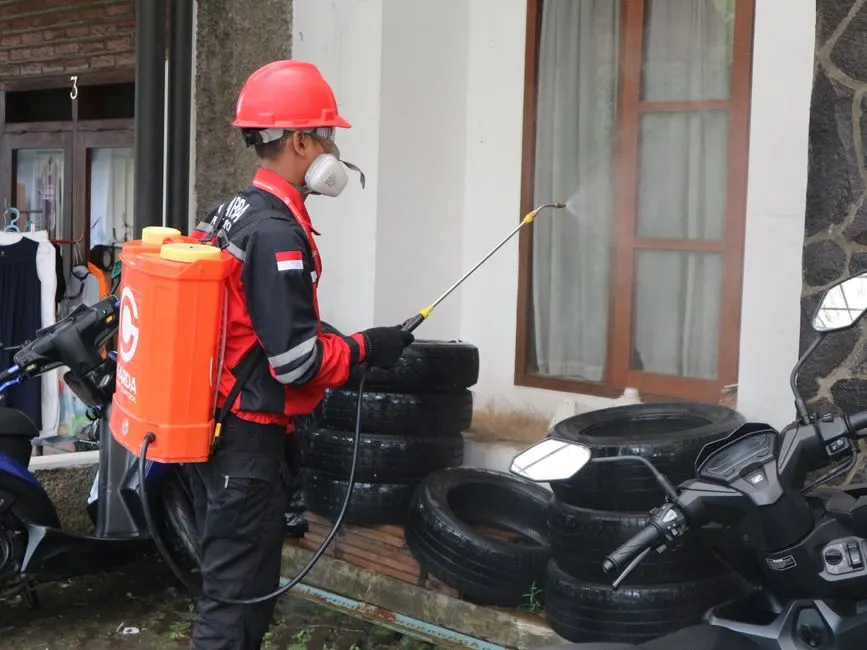
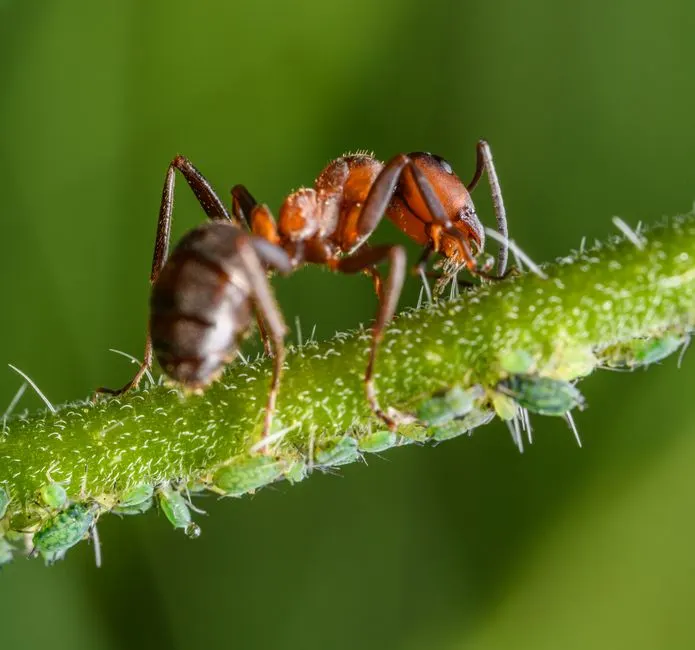
Pocahontas homes include established wood-frame houses, newer residences, rentals, garages, and properties with crawl spaces or sheds. Each layout creates different inspection priorities: a mouse in a pantry may enter through a pipe opening, while ants near a back door may follow a threshold gap. We ask what you saw and where, then check the relevant rooms and exterior edges. General Pest Control is planned around confirmed activity and the household's routines, including pets, children, food preparation, and access to bedrooms or storage. You get practical preparation instructions and a clear description of what to monitor after treatment. If the issue involves a nest, damaged wood, or movement in an attic, tell us before the visit so we can plan safe access and bring the correct equipment.
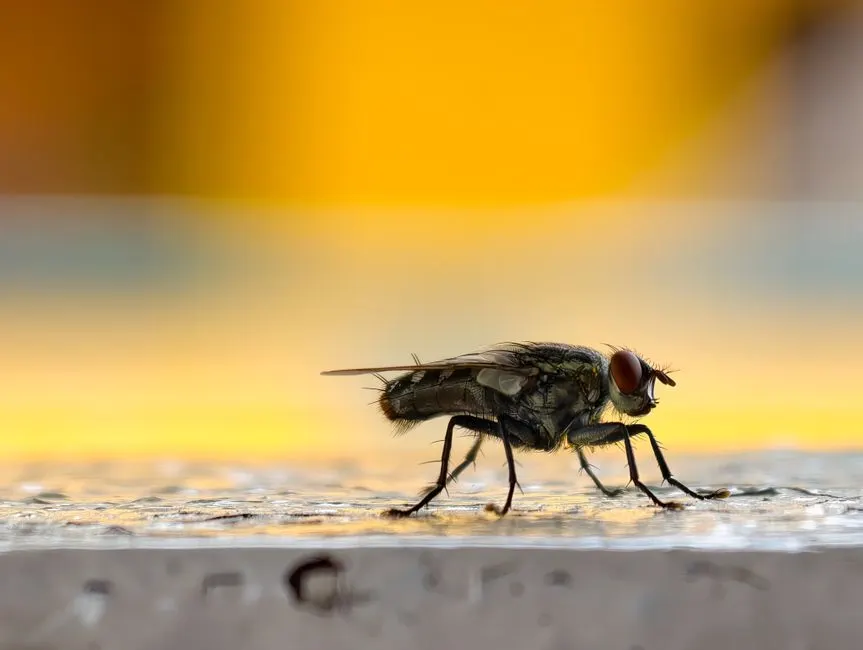
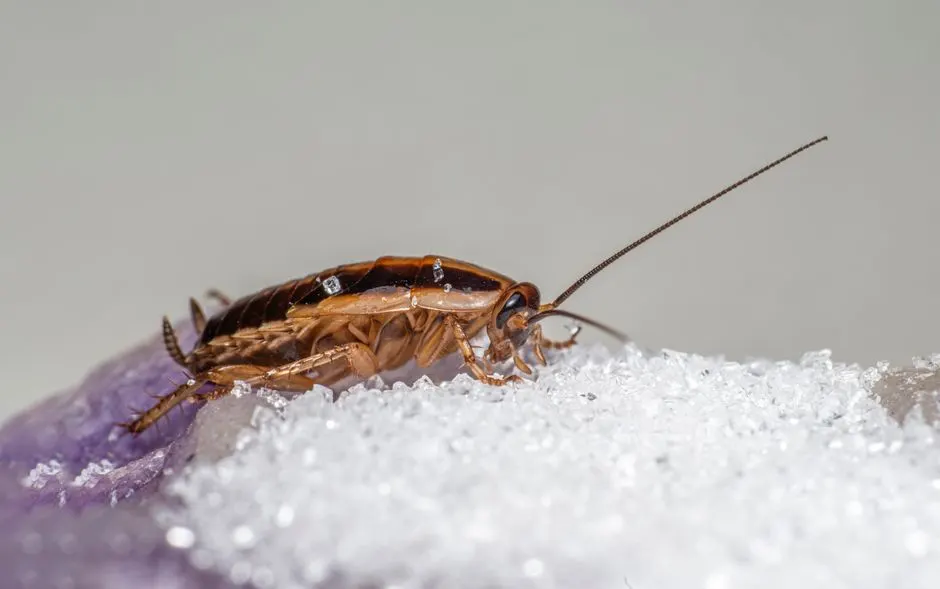
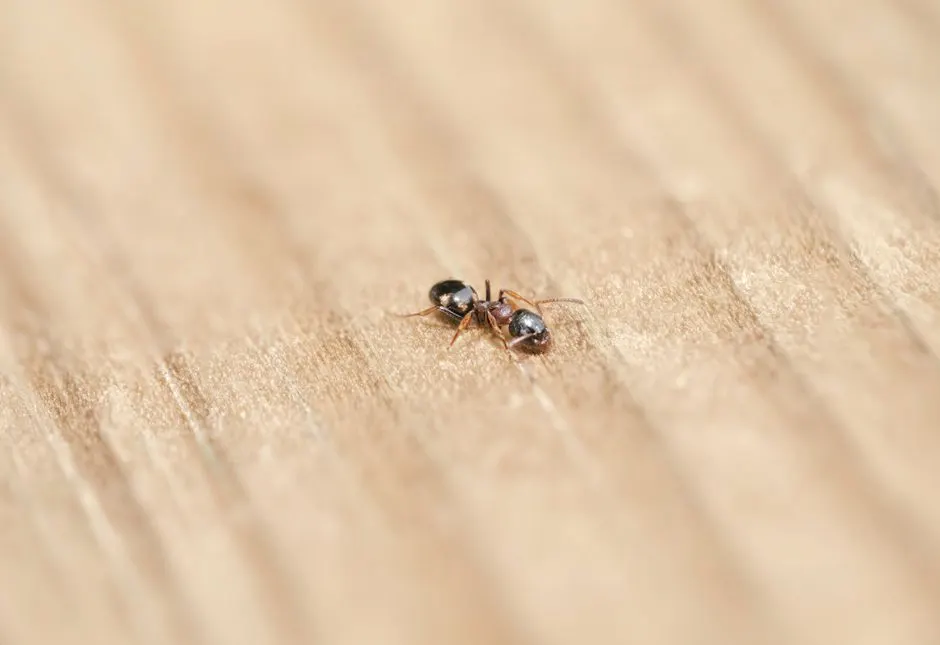
- Kitchen and pantry pest control — For Pocahontas kitchens, we inspect cabinet edges, appliance gaps, plumbing penetrations, and food storage before treating. We explain what to remove or cover and where to watch for renewed activity. That approach helps distinguish a one-time insect entry from a recurring trail connected to moisture or an exterior seam.
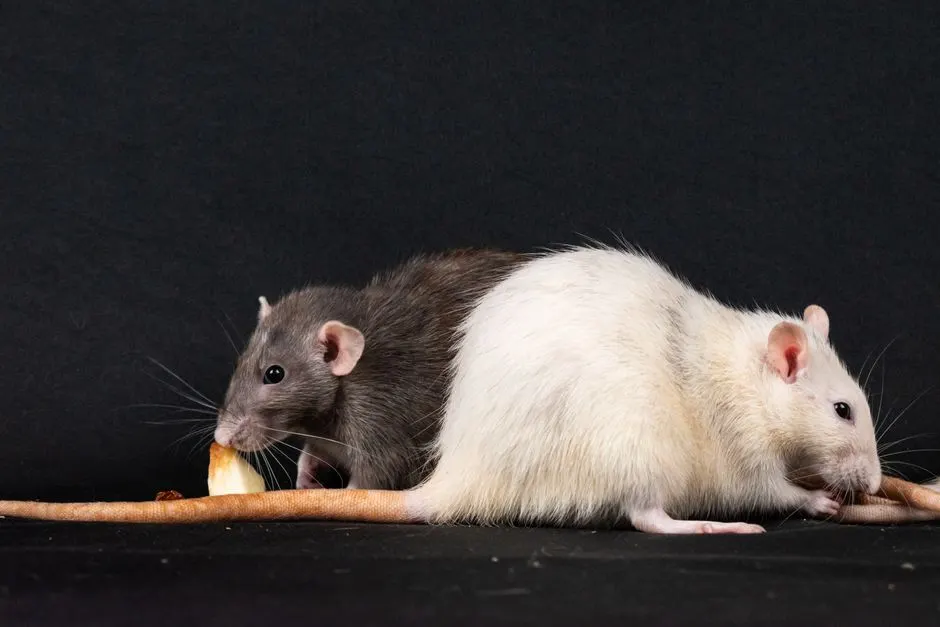
- Rodent exclusion and trapping — We inspect garages, pantries, and accessible crawl-space edges for fresh signs, then place control devices where evidence supports them. In Pocahontas homes, utility penetrations and worn door seals deserve a close look. We identify the opening and explain suitable exclusion work once activity is controlled.
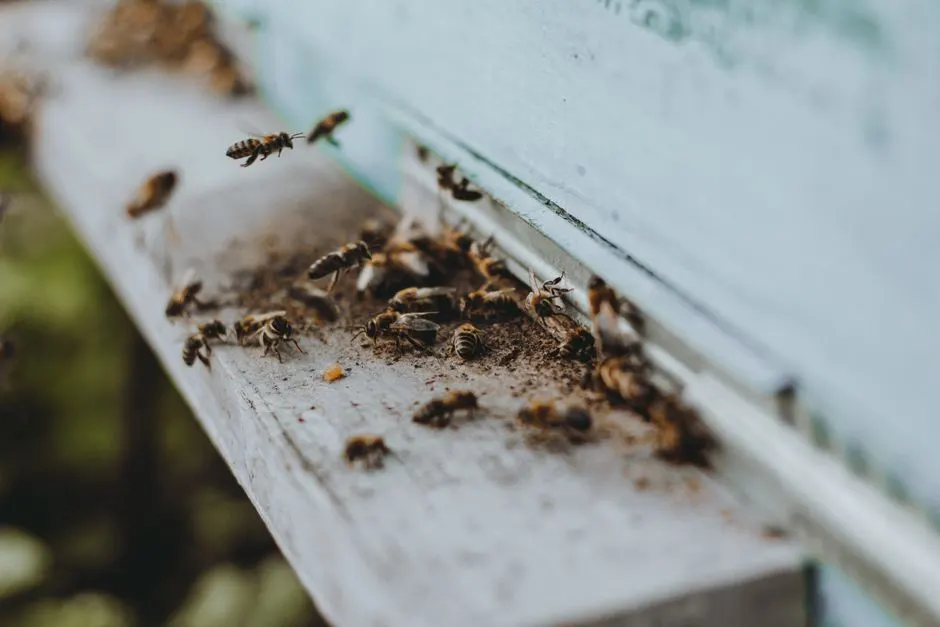
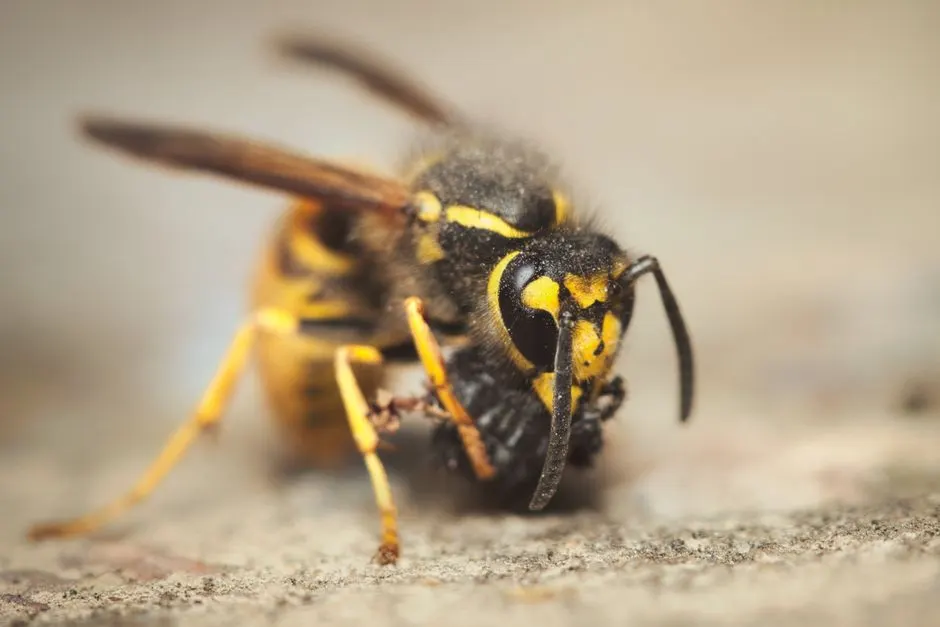
- Stinging insect nest treatment — If a nest is near a Pocahontas doorway, porch, or shed, we assess the flight path and access before treatment. Keep the immediate area clear while we locate the nest. We treat the confirmed source and give you a practical time window for avoiding the area afterward.
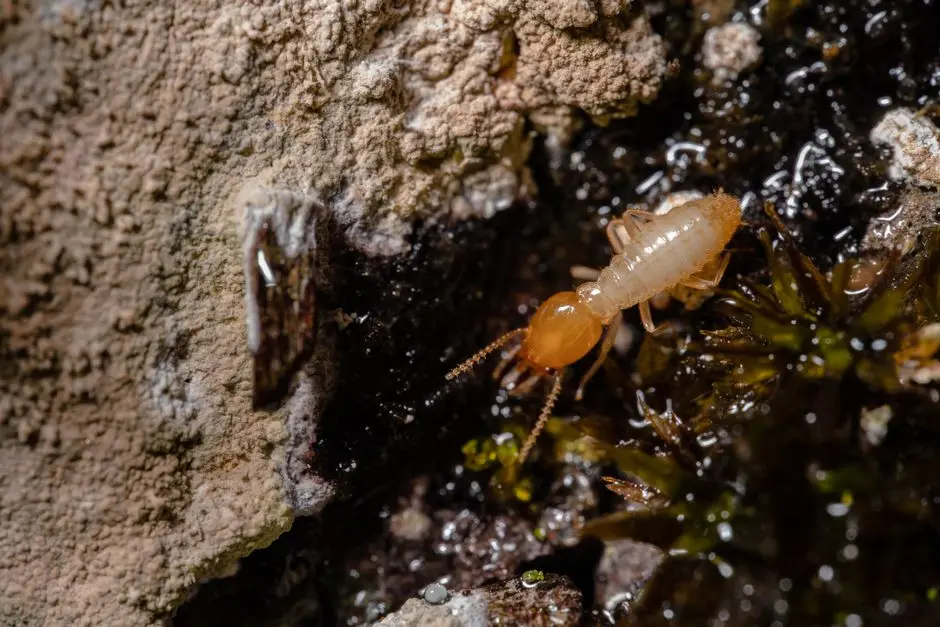
- Termite and wood-damage inspection — We examine visible foundation edges, accessible wood, and crawl-space conditions at Pocahontas properties when termite activity is suspected. Mud tubes and damaged wood are documented and assessed rather than guessed at. We explain whether the findings support treatment, monitoring, or further inspection.