

Residential Pest Control for Clarendon Homes
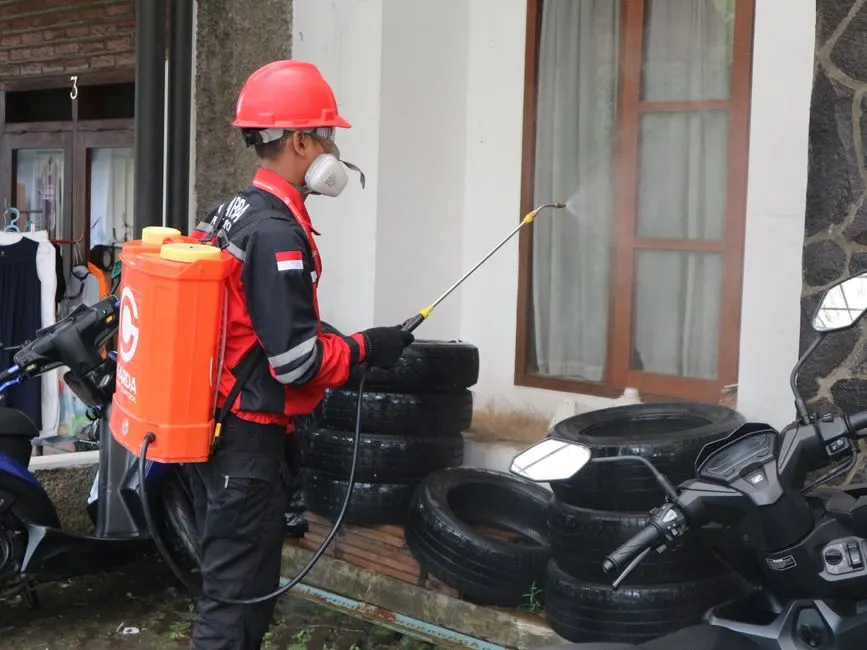
Clarendon homes include in-town residences and properties with larger yards, crawl spaces, detached garages, and storage buildings. That mix matters because pests can move between a house and an outbuilding or enter through several different transitions. Our General Pest Control and targeted services begin with what you have seen, where it appears, and how the home is built. We inspect kitchens, bathrooms, attic access, foundation edges, and relevant exterior openings, then explain the treatment and any preparation needed. Families can tell us about pets, children, food storage, and room access before the visit, so product placement and re-entry guidance fit the household. If you find a recurring trail, droppings, a nest, or wood damage, call before treating several areas on your own.
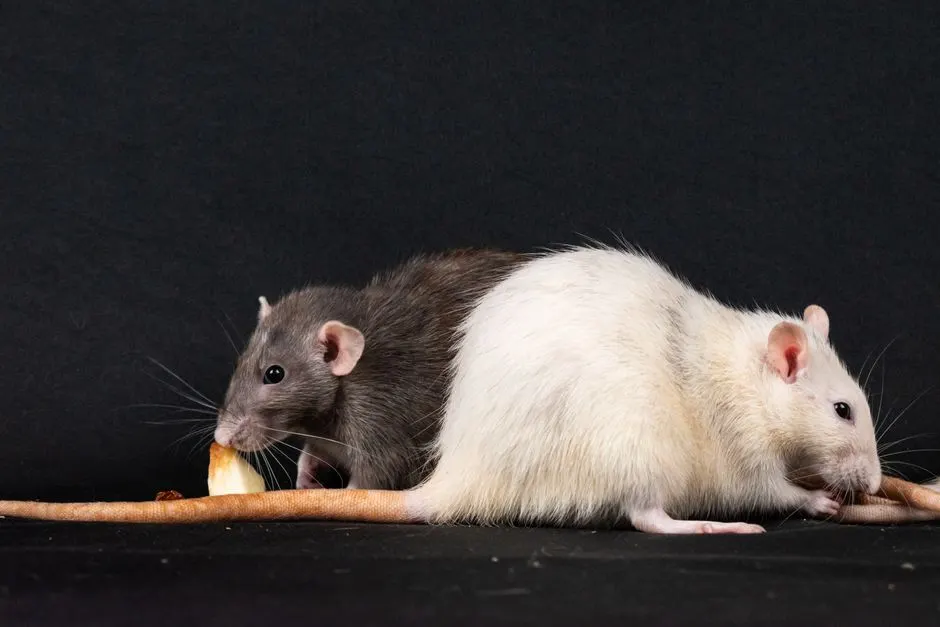
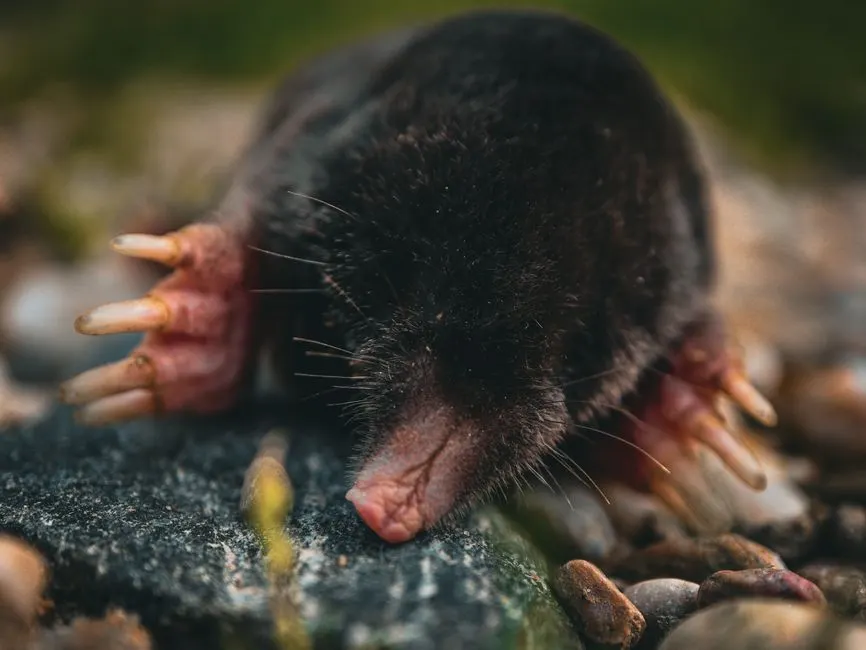
- Rodent entry inspection and exclusion — We inspect Clarendon homes for droppings, gnawing, and gaps around doors, pipes, and utility lines. After locating the likely route, we discuss trapping and practical exclusion. Depending on the opening, that may include a door sweep, hardware cloth, or rodent-proof copper mesh, selected to fit the structure and preserve required ventilation.
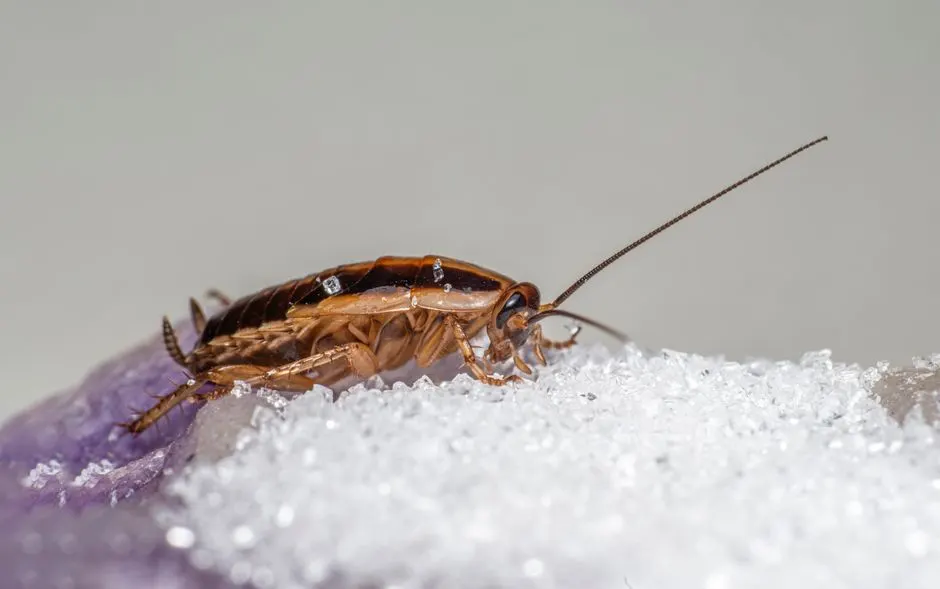
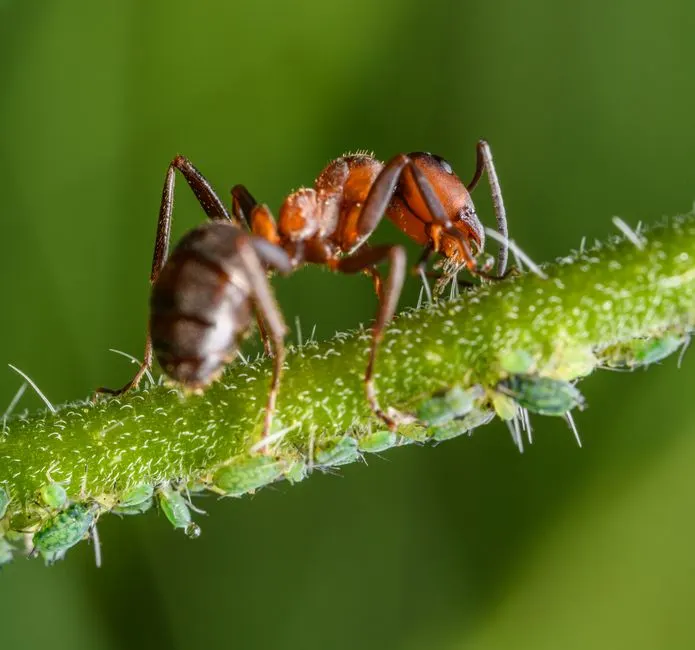
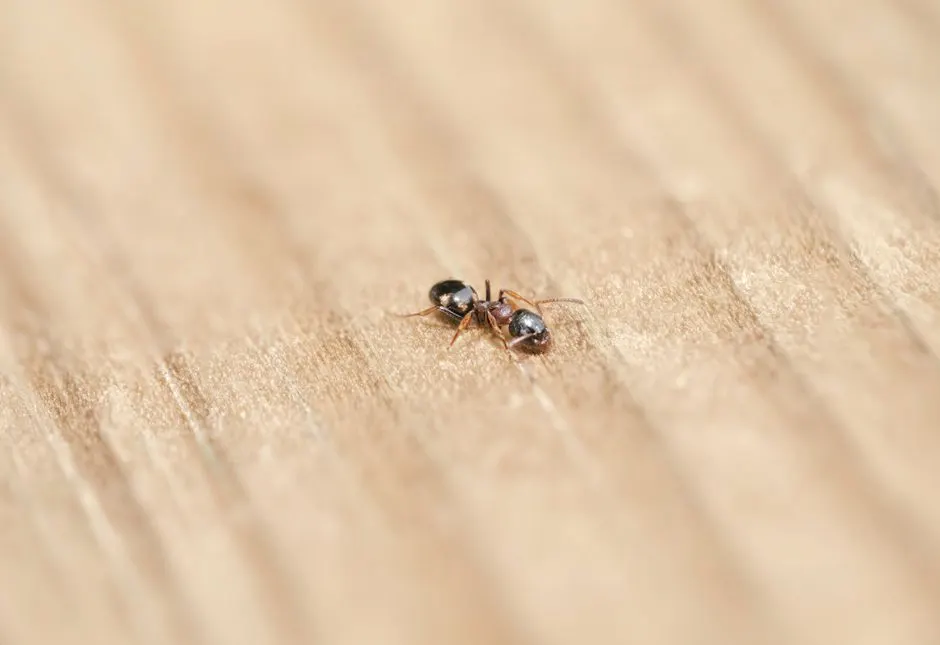
- Kitchen ant and roach treatment — If ants or roaches keep appearing in your Clarendon kitchen, we check behind appliances, around plumbing, inside accessible cabinets, and along the trail. We identify the pest before applying targeted treatment. You will also get practical steps for moisture, food storage, and monitoring that support the treatment.
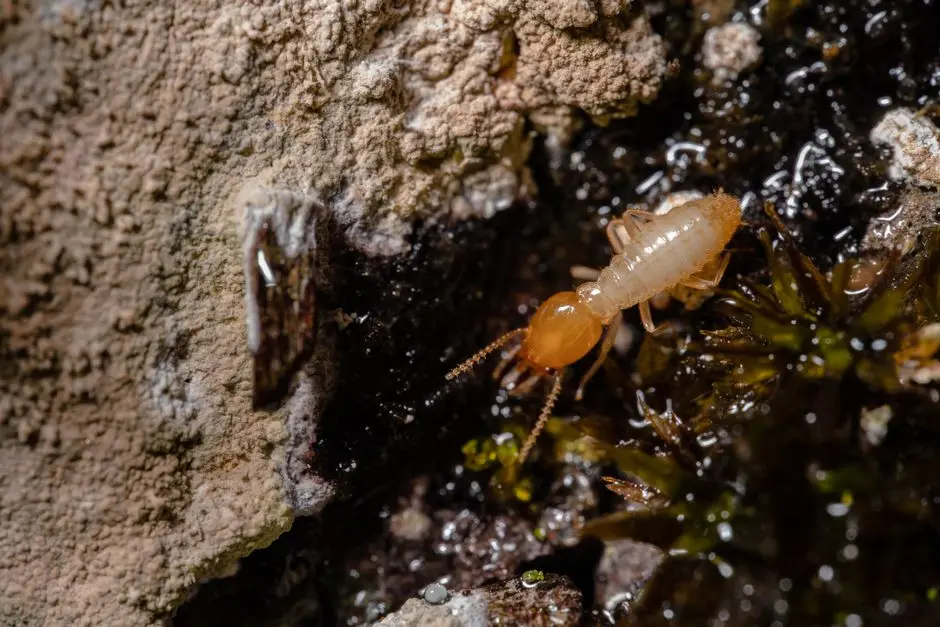
- Termite and wood-damage inspection — We inspect visible foundation edges, accessible crawl spaces, and wood near soil for mud tubes or damage. Clarendon homeowners receive a clear explanation of what we found and the next step, whether that is monitoring, treatment, or correcting a moisture or contact condition.
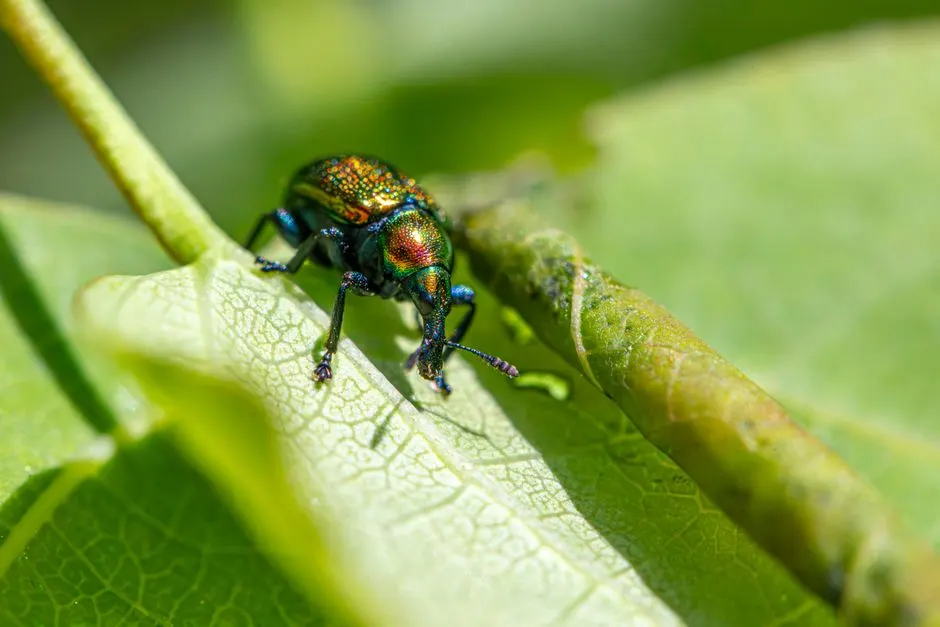
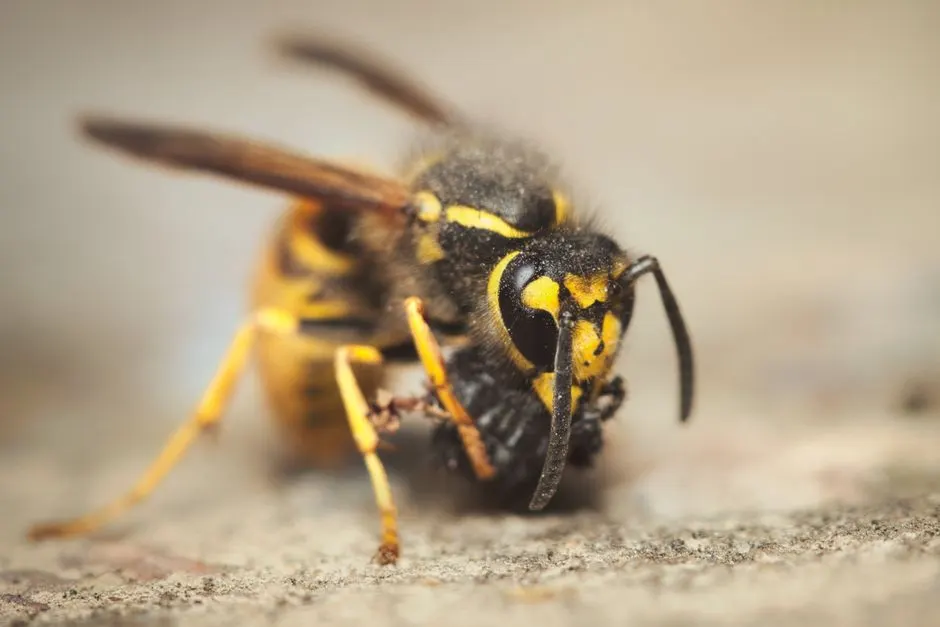
- Seasonal insect and nest control — As weather changes, Clarendon homes may see insects at windows or nests near eaves, sheds, and entryways. We identify the insect and its location, then select a treatment that fits the access and label. You will know when to keep clear and what to watch after service.