Arkansas Pest Solutions
Get Estimate

Pest Inspection Little Rock AR for Clear Answers

Find pest activity, entry points, and damage before it spreads


Pest Inspection Little Rock AR gives homeowners, buyers, landlords, and property managers a clear account of pest activity and building conditions. Our team checks accessible interior and exterior areas, looks for moisture and entry gaps, and explains what needs attention now. If you have unexplained droppings, insect sightings, or a home purchase ahead, we identify visible evidence and practical next steps across Little Rock and Arkansas.

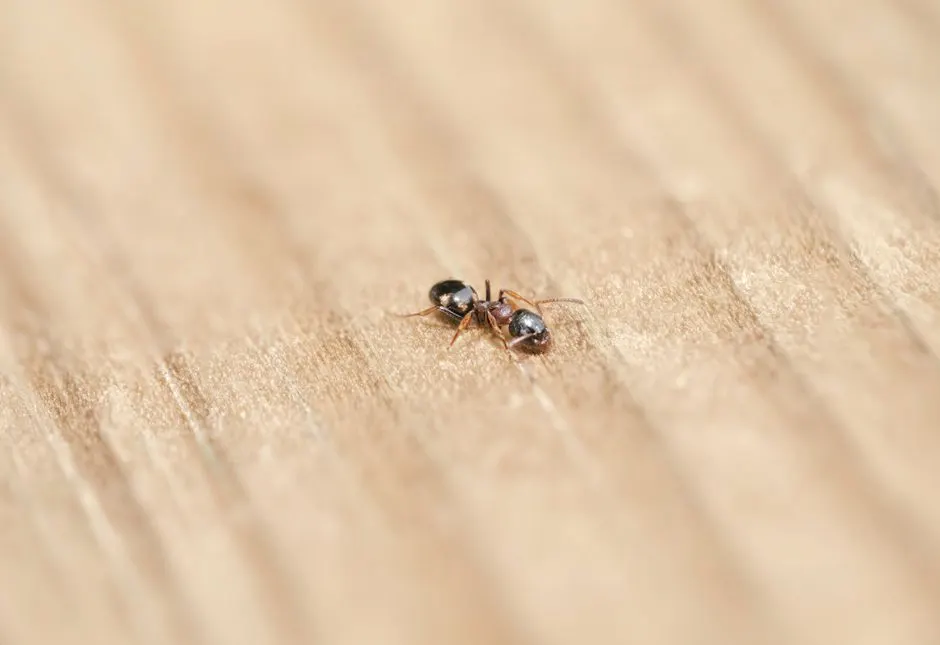
Detailed macro photograph of a single ant exploring a wooden surface.
Licensed Licensed & Bonded
Fully Insured Insured & Bonded
24/7 Emergency Same-Day Response
Warranty Backed Workmanship Guaranteed in Little Rock

What A Pest Inspection Includes

A standard visit covers a visual inspection of accessible interior and exterior areas, signs of common pests, possible entry points, and conditions such as moisture or food access. We explain what we observed and what action fits. Treatment, structural repairs, and opening sealed walls are not part of a visual inspection; if findings point to those needs, we discuss the appropriate next service.

Interior Evidence Check

We inspect accessible rooms and likely pest zones, including kitchens, bathrooms, utility spaces, garages, and storage edges. The check looks for droppings, insect casings, trails, gnawing, and other visible signs. You can point out recurring locations so we can compare them with nearby routes and conditions.
Exterior Entry Review

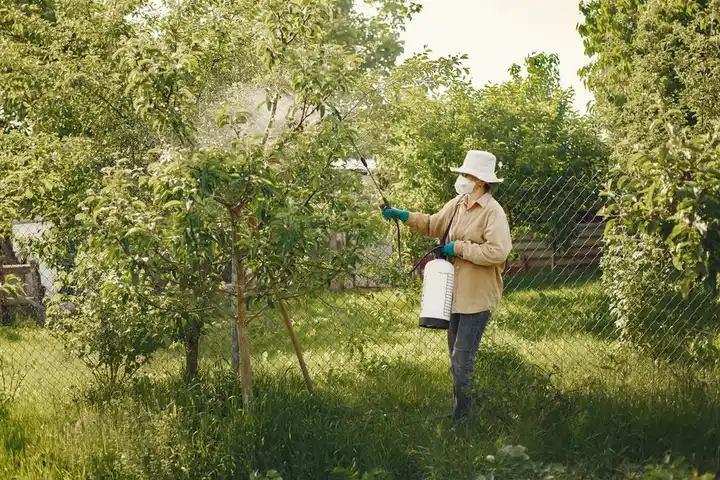
We examine accessible foundation edges, door thresholds, utility penetrations, vents, and eaves for openings or pest activity. A door sweep or sealant recommendation is tied to the gap we find. We do not assume every crack is an active route; evidence and building conditions guide the finding.

Moisture And Harborage

We note standing water, damp trim, vegetation touching the structure, and clutter that can provide shelter or food. A moisture meter can help identify dampness at an accessible surface. These conditions matter because correcting them can reduce the pressure that draws pests back into a room or wall area.

Findings And Next Steps

We explain the evidence, its location, and the action that fits: monitor, seal, clean, repair, or treat. You can ask questions as we walk through the property. If the inspection cannot confirm activity in a concealed space, we identify that limit and explain what further evaluation would involve.

Pest Inspection Little Rock AR: What We Check


Pest Inspection Little Rock AR is a property inspection that identifies visible pest activity, conducive conditions, entry points, and signs of damage before treatment or repairs are planned. We inspect accessible rooms, utility penetrations, attic and crawl-space areas when safe, foundations, eaves, and other likely routes. A focused inspection uses a flashlight, moisture readings, monitoring devices, and close visual checks rather than guesswork. You receive findings tied to locations in the building, so you can distinguish an active infestation from old evidence and decide what to address first.

Little Rock's humid summers, seasonal rain, and warm stretches into fall can keep insects active while damp soil and shaded foundations attract pests. Older homes, additions, and utility-line openings also create concealed travel paths. Our pest inspection in Little Rock, Arkansas helps you investigate scratching, discarded wings, droppings, or recurring insects before damage grows. For a purchase, a pre-purchase pest inspection in Little Rock identifies visible concerns that deserve treatment or further evaluation before closing.

What Happens During Inspection

Pest Inspection in Little Rock follows a practical sequence: we learn what you have noticed, examine accessible spaces, document evidence, then walk you through findings. Most standard residential visits take about 60 to 120 minutes; larger homes or extensive outbuildings require more time.

01

Schedule

Call or book online — a real human picks up and confirms a 2-hour arrival window.

02

Diagnose

Licensed tech inspects on-site, then walks you through the cause and your options.

03

Fix

The job is completed to code and done right the first time — no shortcuts, no surprises.

04

Guarantee

Every job backed by a written workmanship warranty — and we stand behind it.

Tools And Inspection Methods

Tools & Equipment

Pest inspection flashlight

A focused beam reveals droppings, trails, shed skins, and gaps in dim areas such as under sinks, behind accessible appliances, and along foundation edges.

Moisture meter

Surface readings help identify damp trim or accessible wood that can support pest activity. We use the reading alongside visible conditions, not as a stand-alone diagnosis.

Borescope

A borescope can view an accessible cavity through an existing opening without removing a wall section. It helps clarify what is visible while preserving the boundary between inspection and invasive work.

Thermal imaging camera

Thermal imaging can help identify temperature patterns that warrant closer visual inspection, such as a possible concealed area of concern. It does not identify a pest by itself.

Catchmaster monitoring boards

Insect monitoring glue boards provide a way to track activity at selected locations. Placement and checking intervals are matched to the suspected pest and the property's conditions.

Snap trap

Where rodent monitoring is appropriate, a snap trap can help confirm movement along a suspected route. Placement is deliberate and kept away from children and pets.

Methods & Standards

Integrated Pest Management standards

We combine inspection, identification, sanitation, exclusion, and monitoring before choosing a treatment. The method addresses why pests are present as well as where they are seen. When pesticide use is appropriate, product selection and application follow label directions and the conditions at the property.

Evidence-led visual survey

We compare signs across the likely pest route, from the reported location toward nearby food, moisture, shelter, and exterior access. The record distinguishes direct evidence from conditions that only raise risk. That keeps recommendations tied to what we can actually observe.

Targeted monitoring

We use monitoring devices at specific points when activity is intermittent or the source is uncertain. Placement avoids random coverage and focuses on likely travel paths. Follow-up timing is set according to the pest and the signal being monitored, often within 1 to 3 weeks.

Exclusion-first recommendations

Where an opening is visible, we explain how suitable materials such as hardware cloth, copper mesh, or weatherstripping can block access. The material depends on the opening and pest pressure. Sealing follows identification of the route so a repair does not trap an animal inside.

When To Schedule An Inspection

01

You are buying a Little Rock home and want visible pest concerns checked before closing.

What we do: We inspect accessible rooms, foundation areas, and likely pest routes, then explain findings that could affect your plans. A pre-purchase visit can focus on the signs you noticed while still checking common access points. We document visible evidence and note any concealed areas that require separate evaluation.

→ You have clearer information for deciding whether to treat, repair, monitor, or seek additional evaluation before moving forward.

02

Droppings or scratching return in a Pulaski County home after you clean or set a trap.

What we do: We trace activity across the reported room and nearby routes, checking accessible utility openings, storage edges, and exterior access. A snap trap or monitoring placement is considered only after the likely route is understood. We explain how exclusion and follow-up can confirm whether activity has stopped.

→ You learn whether evidence points to current rodent activity and which entry points deserve attention first.

03

A landlord needs a documented look after a tenant reports insects or damage.

What we do: We inspect the reported area and adjoining accessible spaces, identify signs, and look for moisture, food access, or openings that support activity. We explain findings in practical terms so you can plan treatment, maintenance, or tenant preparation without confusing old evidence with an active issue.

→ You can prioritize a response, communicate the next steps, and reduce repeat reports linked to uncorrected conditions.

04

Warm fall weather brings stink bugs or other invaders indoors around windows and doors.

What we do: We check likely seasonal entry points, screen condition, door seals, and visible insect activity. If the issue is recurring, we explain which gaps need sealing and whether targeted service is appropriate. The focus is preventing repeated entry rather than treating every room without locating the route.

→ You get a practical plan for reducing indoor entry before colder weather pushes more insects toward sheltered spaces.

How Inspection Works In Little Rock

Pest Inspection in Little Rock accounts for humid summers, wet periods, and warm fall days that can extend insect activity. Moisture around crawl spaces, shaded foundations, and roof drainage can make a home more attractive to pests, while older houses and later additions may have unsealed service penetrations. We check the building as it stands rather than assuming every property has the same risk. In Pulaski County, homes range from compact older construction to newer subdivisions, so access and inspection time vary. Our Little Rock pest inspector examines accessible interior and exterior routes and discusses findings in the context of the structure. If you need a professional termite and pest inspection Little Rock homeowners can use before treatment or a purchase, we separate visible evidence from conditions that need further evaluation. Arkansas pesticide work must follow applicable licensing and EPA label requirements; inspection findings guide whether treatment, exclusion, or monitoring makes sense. For service in Little Rock, AR, we cover ZIP areas including 72211, 72210, and 72212.

Neighborhoods We Serve

  • Hillcrest

    Older homes and mature landscaping can create shaded foundation edges and concealed utility routes. We pay close attention to accessible porch, basement, and service-line areas when activity is reported.

  • The Heights

    Sloped lots, retaining features, and established trees can affect drainage and access around a home. We inspect the reported side of the property and note damp or sheltered areas linked to pest pressure.

  • Chenal Valley

    Larger homes often have multiple rooflines, garage connections, and service penetrations. We check accessible transitions and exterior openings that can provide entry even when the main living areas look clean.

  • Downtown Little Rock

    Attached buildings, shared walls, and utility routes can complicate the source of recurring insects or rodents. We focus on the accessible unit and identify signs that may require building-level follow-up.

Local Conditions We Plan For

  • Heavy rain leaves damp soil and standing moisture beside foundations

    Moisture attracts some insects and creates conditions that support hidden activity. We note drainage, downspouts, and accessible foundation edges, then explain whether correcting water movement should come before treatment.

  • Warm fall stretches keep seasonal invaders active around windows

    Stink bugs and other occasional invaders may gather at sunny walls and enter through loose screens or trim gaps. We inspect likely access points and recommend sealing or targeted service based on observed activity.

  • Older additions leave gaps around plumbing and electrical penetrations

    A small opening can connect an exterior wall void to a kitchen, bath, or attic. We compare signs inside with accessible exterior locations and identify the specific route that exclusion should address.

Recurring Pantry Rodent Evidence

Before

A Little Rock homeowner cleaned droppings near a pantry twice, but new evidence appeared within days. A trap in the open floor had not caught anything, and no one had checked the pipe opening behind the cabinet. The household needed to know whether the activity was current and how rodents were reaching the kitchen.

After

The inspection located fresh evidence near the cabinet and a gap around a utility penetration. The homeowner sealed the route with an appropriate exclusion material and placed monitoring at two likely travel points. A check after 14 days showed no new signs at those points, giving the household a measurable way to judge progress.

Maintenance: Keep stored food in sealed containers, inspect the utility opening during routine cleaning, and check monitoring points weekly for the first month. If fresh signs return, report the exact location so the route can be reassessed.

Before

A buyer noticed discarded wings near a window in a home they planned to purchase. The marks were easy to dismiss as old debris, but the buyer wanted a closer look before moving ahead. No visible damage had been documented, and the source of the wings was uncertain.

After

The inspection checked the nearby window, accessible foundation edges, and exposed wood for additional signs. The visit identified the evidence that required a termite-focused follow-up and separated it from unrelated insect debris. The buyer had specific locations to discuss before closing rather than a vague concern about the entire house.

Maintenance: Keep soil and mulch below vulnerable wood, direct water away from the foundation, and watch for new wings or mud tubes during seasonal checks. Request follow-up if fresh evidence appears.

Before

Insects gathered around a shaded entry and appeared inside several times during a warm fall period. The homeowner had sprayed near the door, but the sightings continued. Loose weatherstripping and a gap at the threshold had not been checked.

After

The inspection connected indoor sightings with the entry area and documented two visible seal failures. After the homeowner corrected the gaps, monitoring showed fewer indoor insects over the following two weeks. The inspection clarified that the doorway was the priority, not a whole-house treatment.

Maintenance: Check door seals at the start of each fall and after heavy use, replace torn screens, and remove debris from the threshold. Note any recurring sightings by door and time of day.

Find The Source Before Activity Spreads

A pest sighting is a clue, not always the source. Our inspection helps Little Rock property owners connect visible signs with access, moisture, and shelter. If you are asking what does a residential pest inspection include in Little Rock, expect a property-specific check and a clear explanation of findings, not a guess based on one insect.

Problem

Mouse droppings return beside kitchen cabinets after cleaning

Repeated droppings can signal ongoing access and expose food-storage areas to contamination, while hidden nesting may remain undetected.

Our Fix

We check the cabinet zone, nearby plumbing penetrations, garage connection, and accessible exterior edges for evidence and gaps. We identify whether activity appears current, then explain monitoring and exclusion options. If a route is visible, closing it with suitable materials is part of the practical plan, alongside any needed rodent control.

Problem

Winged insects appear near windows after warm rain

Repeated sightings can point to a nearby colony or a seasonal entry route, and a missed termite warning sign deserves prompt attention.

Our Fix

We inspect the affected windows, nearby wood, foundation, and accessible areas for discarded wings, mud tubes, or other evidence. We distinguish common flying insects from signs that warrant a termite-focused evaluation. If evidence is found, we explain the next inspection or treatment step without claiming concealed damage we cannot see.

Problem

Scratching in the attic continues after the sound stops

A temporary lull does not confirm the animal has left; an open soffit or vent can allow repeat entry and damage insulation or wiring.

Our Fix

We look for accessible signs such as disturbed insulation, droppings, rub marks, and damaged entry points, while avoiding unsafe access. We explain whether the evidence suggests rodents or wildlife and identify the opening to address. When needed, we coordinate the next step with the relevant removal service.

Problem

Cockroaches appear in a bathroom despite routine cleaning

Activity around plumbing can persist in damp, hidden harborage, spreading to adjacent rooms and making casual surface treatment ineffective.

Our Fix

We inspect accessible plumbing openings, cabinet edges, appliances, and nearby moisture sources for droppings, egg cases, or live insects. Identification guides the response; German cockroach activity requires targeted control and follow-up monitoring. We also explain the sanitation and sealing steps that support treatment.

Know What Needs Attention

Know What Needs Attention

An inspection turns scattered clues into a prioritized plan. We show you where activity appears, what conditions support it, and which next step fits the evidence, so you are not paying for treatment that misses the source.

  • Find Hidden Entry Routes

    We inspect door edges, foundation joints, vents, and wall penetrations where rodents and insects slip inside. A gap as small as 1/4 inch can admit some insects, while mice use openings around 1/4 inch wide. We note locations and practical sealing options, such as door sweeps or copper mesh, so you can close the route instead of repeatedly treating the room where pests appear.

  • Separate Active From Old

    Droppings, shed skins, and old insect casings do not all mean an infestation is active today. We compare the condition, location, and freshness of evidence and use monitoring where needed. A glue board or trap checked after 7 to 14 days can help distinguish ongoing activity from a past problem, giving you a more useful basis for treatment.

  • Protect A Purchase

    A home pest inspection service Little Rock buyers use can flag visible termite evidence, rodent access, moisture, and conducive conditions before a sale proceeds. We document accessible findings and explain which items need prompt attention. If a concealed area cannot be safely reached, we say so directly rather than treating an unseen condition as confirmed.

  • Plan Targeted Treatment

    A written finding-by-finding conversation helps you choose whether to seal, monitor, clean, or treat. We prioritize active hazards and conditions that can worsen, then explain follow-up timing. For example, a bait station or monitoring device needs placement and checking suited to the pest; it is not a substitute for correcting the entry point.

Little Rock Inspection Pricing

Typical 2026 pricing for a residential pest inspection in Little Rock is $125 to $350. The final price reflects property size, access to attic or crawl-space areas, number of suspected pests, and whether outbuildings need to be checked. A pest assessment Little Rock AR customers request for a purchase or a complex infestation may require more time than a standard single-issue visit. We explain the price upfront. Treatment, repairs, and specialized invasive evaluation are separate services when the findings call for them.

Typical Investment Range

$125 - $350 for a standard residential inspection, depending on size and access

An inspection helps direct your spending toward the evidence and entry route instead of repeated, unfocused treatment. You receive practical findings that can guide exclusion, monitoring, or a targeted service.

What changes the price

01

Property size and layout

A compact home with clear access takes less inspection time than a large house with multiple additions, detached structures, and several reported activity zones. More rooms and transitions mean more locations to examine and document.

02

Attic and crawl access

Accessible attic or crawl-space areas add time because the inspector must check additional routes and conditions. Restricted access, stored belongings, or unsafe conditions can limit what is visible and may require a separate plan.

03

Number of pest concerns

A single reported insect location is more focused than a visit covering rodents, termites, and recurring roaches at once. Multiple concerns require identification and separate evidence checks, which increases the inspection time.

04

Purchase or documentation needs

Pre-purchase inspections often require careful attention to accessible structural areas and clear communication of findings. The visit remains visual, but the extra property context and questions can affect the time required.

05

Outbuildings and exterior access

Sheds, detached garages, extensive foundation edges, or difficult exterior access add areas to inspect. We focus on the locations relevant to the concern and explain any area that cannot be reached safely.

Credentials And Standards

Licensed & Certified

  • Arkansas Department of Agriculture pesticide applicator license — issued by Arkansas Department of Agriculture
  • Structural pest control certification — issued by Arkansas Department of Agriculture
  • Integrated Pest Management standards — issued by National Pest Management Association

Verified Reviews

Customer feedback Not stated

A Little Rock homeowner described a focused inspection of pantry droppings, cabinet edges, and a utility opening. The findings helped the household understand why activity returned and what to seal. The practical walkthrough made the difference: the inspector showed the evidence instead of recommending treatment without locating a likely route.

Customer feedback Not stated

A homebuyer said the inspection clarified which signs near a window needed termite follow-up and which debris was unrelated. The visit covered accessible areas and explained its limits, giving the buyer useful locations to discuss before closing. The straightforward explanation helped turn an uncertain concern into a clear next step.

Customer feedback Not stated

A Pulaski County resident reported recurring insects around a bathroom window after rain. The inspection connected the sightings to damp trim and a screen gap, then laid out the order for correcting both conditions. The homeowner valued the specific findings and the explanation of why repeated spraying had not solved the problem.

Inspection Knowledge That Matters

Our Arkansas team brings local experience to the way pests use buildings, moisture, and seasonal conditions. We assess likely entry routes and conducive conditions, then explain findings in plain language instead of handing you an unexplained list. Arkansas pesticide applicator licensing and structural pest control certification matter when inspection findings lead to regulated treatment; we follow EPA pesticide label compliance and Integrated Pest Management standards. The inspection itself centers on evidence, safe access, and accurate communication. We do not claim a fixed number of years or jobs; we focus on a careful property-by-property assessment and a clear next step.

  • Inspection findings distinguish visible pest evidence from conditions that could support future activity, helping you choose an appropriate response.
  • We use Integrated Pest Management standards to prioritize exclusion, sanitation, monitoring, and targeted treatment rather than unnecessary broad application.
  • Arkansas pesticide applicator license requirements guide regulated pesticide work, and label directions govern each product's use.
  • Structural pest control certification supports pest-related evaluation and service practices relevant to buildings and their occupants.
  • We explain limits when a sealed cavity or unsafe area cannot be viewed, so you know what the inspection confirms and what it cannot.
Get Started Today
Inspection Knowledge That Matters
Service Area

Pest Control Coverage Across Little Rock & Pulaski County

Routine and same-week appointments for residents and businesses across Pulaski County, including the ZIP codes below.

72211722107221272223722277220972202722017220672207722047220572103722157221772219722227222572231722557226072295

Arkansas Cities We Serve

Arkansas Pest Solutions delivers Pest Inspection across urban neighborhoods, smaller communities, and rural properties throughout Arkansas. Local weather, building age, drainage, and access vary by region, so we adjust the inspection to the property rather than rely on one checklist. Our pest assessment coverage includes communities from Bentonville and Van Buren to Forrest City and McGehee. Tell us where you are seeing activity and what kind of property needs attention, and we will help arrange the appropriate inspection.

Bentonville

For homes in Bentonville, we inspect accessible foundations, garage connections, and roofline transitions for pest entry. We connect findings to the property's layout and the activity you report.

Van Buren

In Van Buren, our inspection checks reported activity alongside moisture and openings around service lines. We explain whether the evidence points to monitoring, exclusion, or targeted follow-up.

Forrest City

Forrest City property inspections include accessible interior and exterior routes, with attention to damp areas and seasonal insect entry. We document visible signs and explain practical next steps.

Hope

In Hope, we examine the areas tied to your concern, from pantry and utility spaces to accessible foundation edges. Findings help separate active evidence from conditions that simply raise risk.

Osceola

Our Osceola inspections look for pest evidence, access gaps, and moisture around the structure. We tailor the review to the reported pest and the property's accessible spaces.

Sheridan

In Sheridan, we check reported activity and likely entry routes around doors, utility penetrations, and accessible outbuildings. You receive an explanation of what was observed and what deserves attention first.

Gibson

For Gibson properties, our team assesses visible signs and conditions that may support pest activity. We use the location of evidence to guide monitoring or exclusion recommendations.

McGehee

In McGehee, we inspect accessible rooms and exterior edges for insect or rodent signs, moisture, and entry points. The findings are explained in relation to the specific property.

Green Forest

Green Forest inspections account for the property's structure and reported pest activity. We check accessible routes, note visible damage or moisture, and outline practical follow-up.

Bono

In Bono, we connect sightings or damage with accessible entry routes and nearby conducive conditions. Our findings clarify whether the next step is monitoring, sealing, or targeted service.

Lavaca

Our Lavaca service reviews the reported area and adjacent accessible spaces, including likely openings and moisture sources. We explain evidence clearly so you can prioritize corrective work.

Carlisle

For Carlisle homes, we inspect visible pest signs and common access points around the structure. Recommendations are based on observed conditions, not a one-size-fits-all treatment plan.

Leachville

In Leachville, we assess accessible interior and exterior areas for pest evidence, entry gaps, and conditions that encourage activity. The visit ends with a practical next-step discussion.

Redfield

Redfield inspections focus on the location and freshness of reported evidence, then check nearby routes and moisture conditions. We explain what the inspection confirms and any limits.

Perryville

For Perryville properties, we check accessible areas tied to the reported issue and identify likely entry or harborage points. You receive a clear plan for monitoring, exclusion, or treatment.

Inspection Experiences

Real experiences from customers who chose our Pest Inspection services.

“We kept finding small droppings beside the pantry and could not tell where they were coming from. The inspector checked the cabinet edges, garage door, and pipe openings, then showed us a gap behind the utility line. We got a clear list of what to seal and where monitoring should go. The visit was focused and explained in terms we could use.”

M

Megan R.

Homeowner, Little Rock

“Before closing, we wanted someone to look for visible pest evidence rather than guess from an old stain. The inspection checked the accessible crawl-space area, foundation, and garage. The inspector showed us what looked like old activity and what needed a closer look, so we could discuss the findings before making plans for the house.”

D

Daryl T.

Homebuyer, Little Rock

“We had insects appearing near a bathroom window after rainy weather. The inspection found moisture around the trim and an opening at the screen edge, then explained which issue to correct first. I appreciated the direct walkthrough and the notes on where activity had been seen. We finally had a specific plan instead of spraying the same spot again.”

A

Angela P.

Homeowner, Pulaski County

Pest Inspection Questions

Real answers to the questions we hear most often from local homeowners and property managers.

How much does a pest inspection cost in Little Rock?
A residential inspection in Little Rock commonly costs $125 to $350 in 2026, depending on property size and access. A small home with clear access takes less time than a large property with an attic, crawl space, detached structures, or several suspected pests. We explain the price upfront before the visit. Treatment, repairs, and specialized evaluations are separate work when findings call for them.
Who offers pest assessments in Little Rock AR?
Arkansas Pest Solutions provides pest assessments in Little Rock AR through a local inspection team. We review your reported signs, inspect accessible areas, and explain visible evidence and conducive conditions. A standard residential visit takes about 60 to 120 minutes. If you need a same-day pest inspection Little Rock AR, call 877-729-2528 to discuss the issue and scheduling options.
What does a home pest inspection check for?
A home inspection checks for visible insects or rodents, droppings, damage, nesting signs, moisture, and likely entry points. We examine accessible interior and exterior areas, including utility penetrations, foundations, and eaves, then explain any limits to access. A pest assessment for a Little Rock home can also identify conditions such as standing moisture or unsealed gaps that raise the risk of recurring activity.
Should I get a pest inspection before buying a Little Rock home?
Yes, arrange an inspection before closing if you see pest signs or want visible concerns identified before taking ownership. A pre-purchase inspection can find accessible evidence of termites, rodents, or insects and point out conditions that need follow-up. It does not expose every concealed area or replace a structural evaluation. Ask for the visit early enough to review findings and plan any needed treatment or repairs.

Services That Follow Inspection

Rodent Control

When an inspection finds droppings, gnawing, or a route through a utility opening, rodent control addresses the active problem and its access points. We can pair trapping with exclusion recommendations, including hardware cloth or door sweeps where suitable, then monitor for continued activity.

View Rodent Control

General Pest Control

Visible insect activity may call for targeted general treatment after we identify the pest and likely harborage. Inspection findings help focus service on relevant cracks, edges, and entry points rather than applying product without a reason. We explain preparation and follow-up before work starts.

View General Pest Control

Stinging Insect Control

If inspection reveals a wasp or yellow jacket nest near a doorway, eave, or play area, stinging insect control addresses the hazard. We identify nest location and access before choosing a method, then explain how to avoid the active flight path during service.

View Stinging Insect Control

Occasional Invader Control

Stink bugs and other seasonal invaders often enter through small gaps around windows, doors, and roof edges. Inspection helps locate those routes and determine whether sealing, monitoring, or targeted treatment is appropriate. We connect the recommendation to the building conditions we actually observed.

View Occasional Invader Control

Cockroach Control

A cockroach inspection looks for droppings, egg cases, moisture, and hiding places around kitchens and plumbing. If we identify active German cockroach activity, targeted control and monitoring can follow. Findings also guide sanitation and sealing steps that help reduce access to food and water.

View Cockroach Control

Ant Control

Carpenter ant activity can point to damp wood, while other ants may trail toward food or moisture. Inspection helps distinguish the likely species and trace movement before treatment. We explain whether the next step is targeted control, moisture correction, or sealing an entry route.

View Ant Control

Book Pest Inspection Little Rock AR

Get clear findings before pest activity spreads or a property decision is made. Our team follows Arkansas pesticide label requirements and explains the next practical step. Call 877-729-2528 to arrange your inspection.

Call Today Book Inspection

Contact Arkansas Pest Solutions

Call Arkansas Pest Solutions at 877-729-2528 to discuss pest activity at your home or business. Our office hours are Monday through Friday, 8:00 a.m. to 6:00 p.m.; leave a message outside those hours and our team will respond during the next business period. We serve Little Rock, Pulaski County, and communities across Arkansas.

Or call us right now at 877-729-2528 — we answer.

Arkansas Pest Solutions


  • Phone

    877-729-2528
  • Address

    Simmons Tower, 425 W Capitol Ave, Little Rock, AR 72201, Little Rock, Arkansas

  • Hours

    Mon–Fri: 7AM – 7PM
    Sat: 8AM – 4PM
    Sun: Emergency Only
    24/7 Emergency Available

Call 877-729-2528 Get Quote
Call Quote