


Residential Pest Control for Clinton Homes
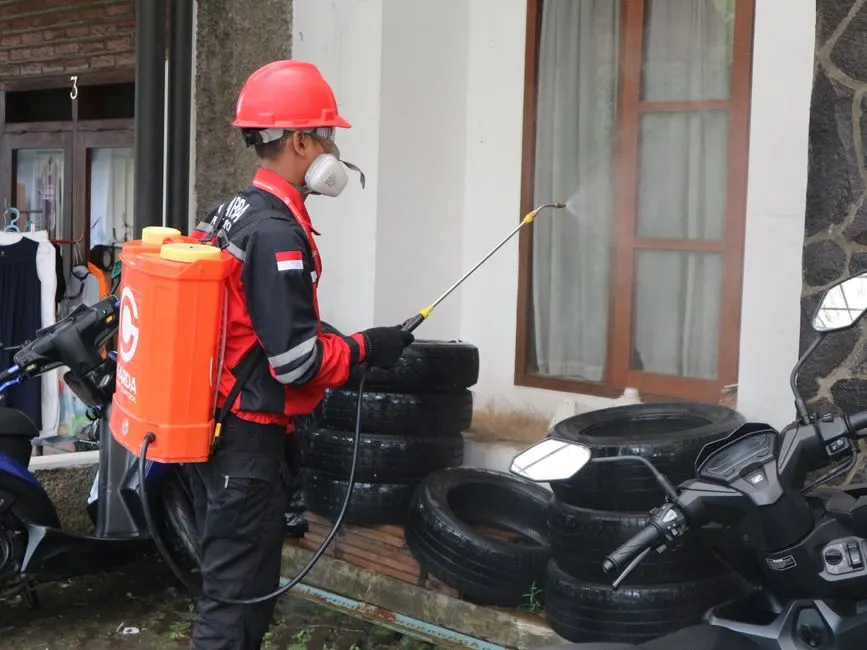
Clinton homes include a range of layouts, from established houses with crawl spaces to properties with garages, porches, and detached storage. That variation changes how we inspect for rodents, ants, termites, and occasional invaders. Our residential general pest control visit starts with the rooms and exterior areas where you have seen signs, then checks connected access points such as thresholds, plumbing lines, and attic openings. We explain what we found and how to prepare for treatment, including any room access or pet precautions. If you have children, pets, or a shared household schedule, tell us when you call so we can plan the visit around the areas you use most. You will know what we treated and what to monitor afterward.
- Rodent entry and attic checks — We inspect Clinton homes for droppings, nesting material, and gnaw marks in attics, garages, and crawl-space access areas. The visit also checks likely openings around utility lines and doors. We explain trap placement and practical exclusion options, so you know what to watch after service.
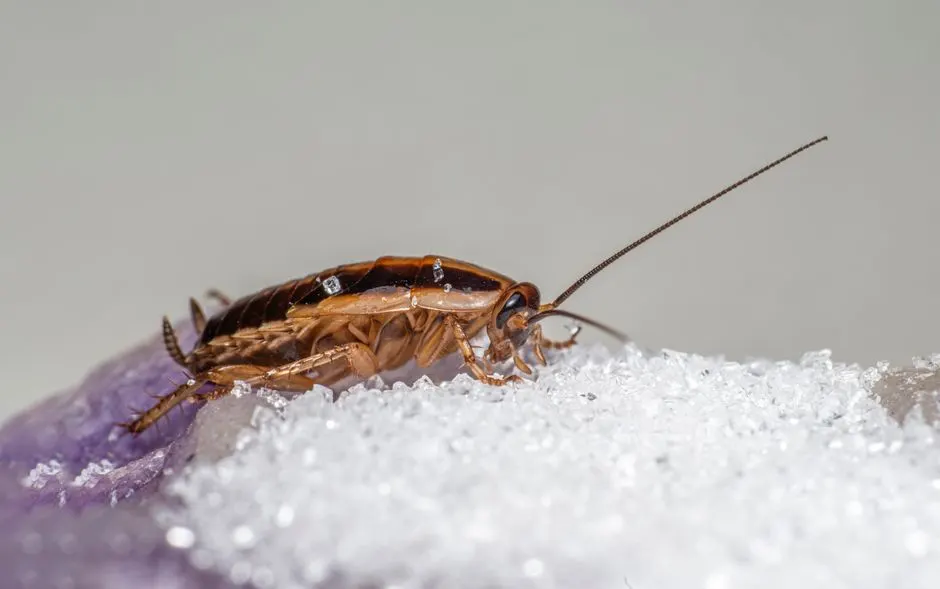
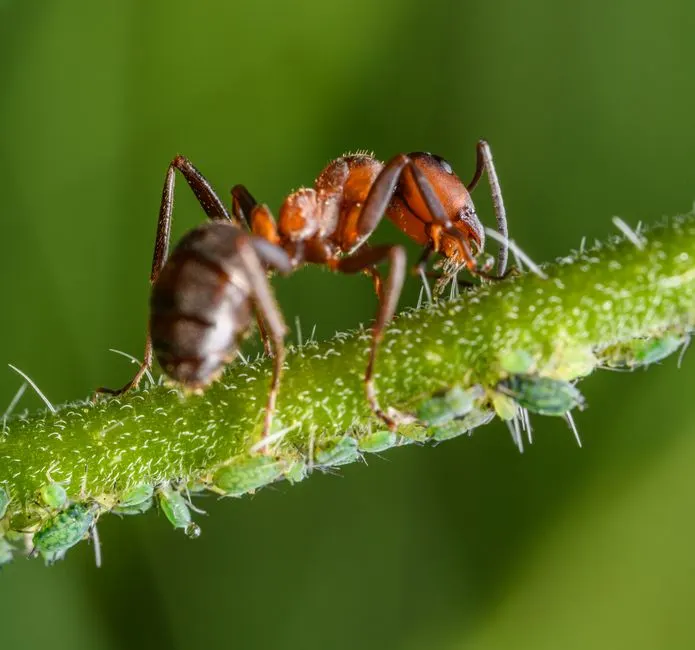
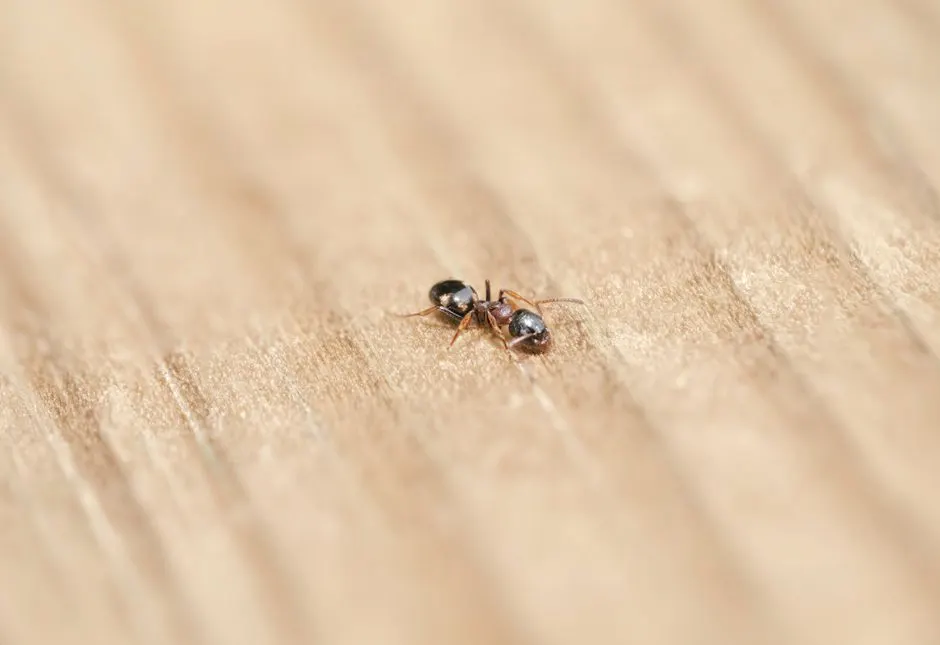
- Kitchen ant and roach control — We follow trails and inspect cabinet edges, appliance gaps, plumbing penetrations, and other likely harbourage points. In Clinton kitchens, a focused inspection helps distinguish a recurring source from occasional insects entering from outdoors. We provide targeted treatment and clear preparation instructions for your household.
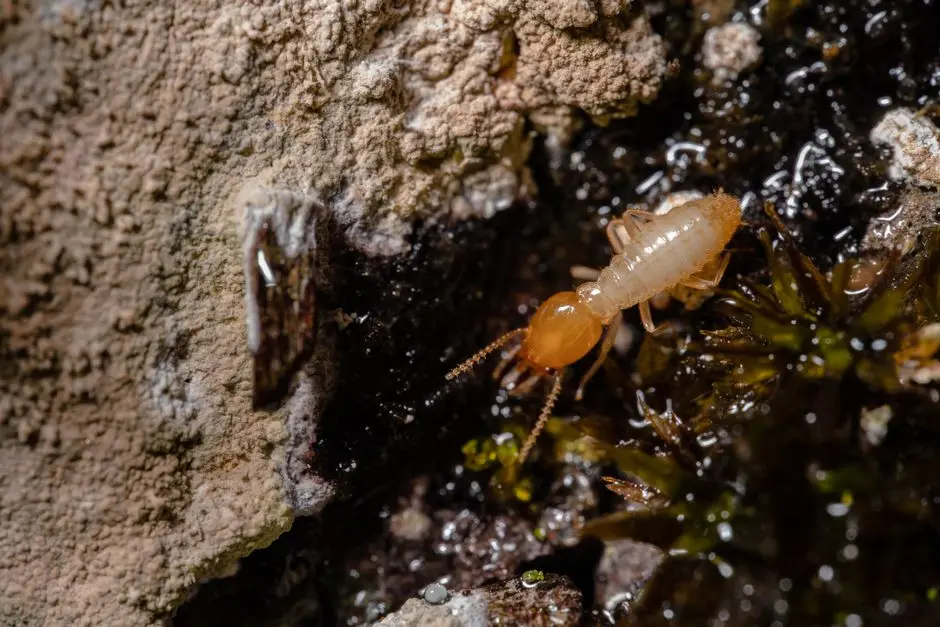
- Termite and foundation inspection — We check accessible foundation edges, crawl spaces, and wood for mud tubes or damage. Clinton homeowners can use the findings to understand whether treatment or continued monitoring is appropriate. We explain visible evidence and next steps without treating an unconfirmed concern as a diagnosis.
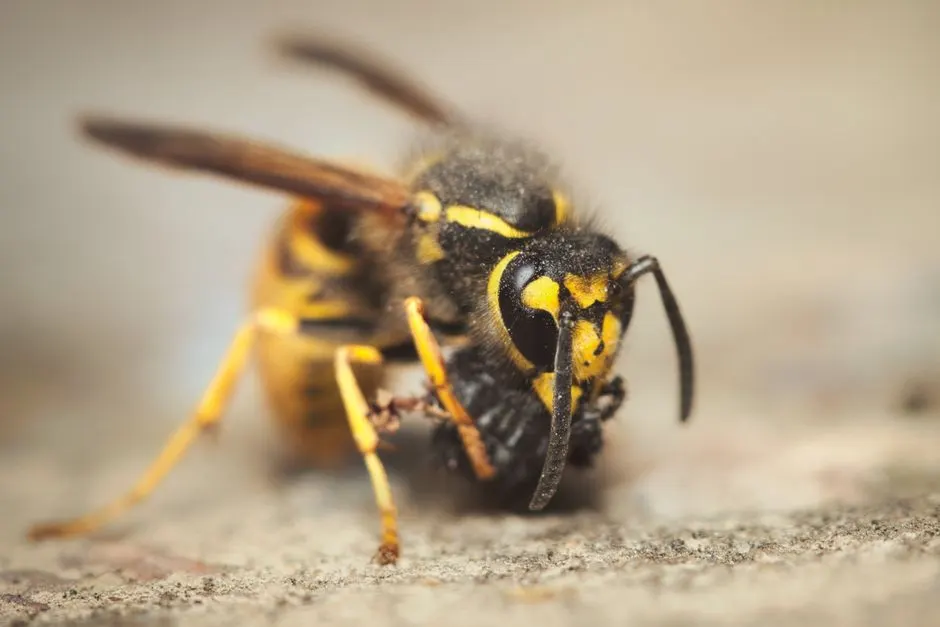
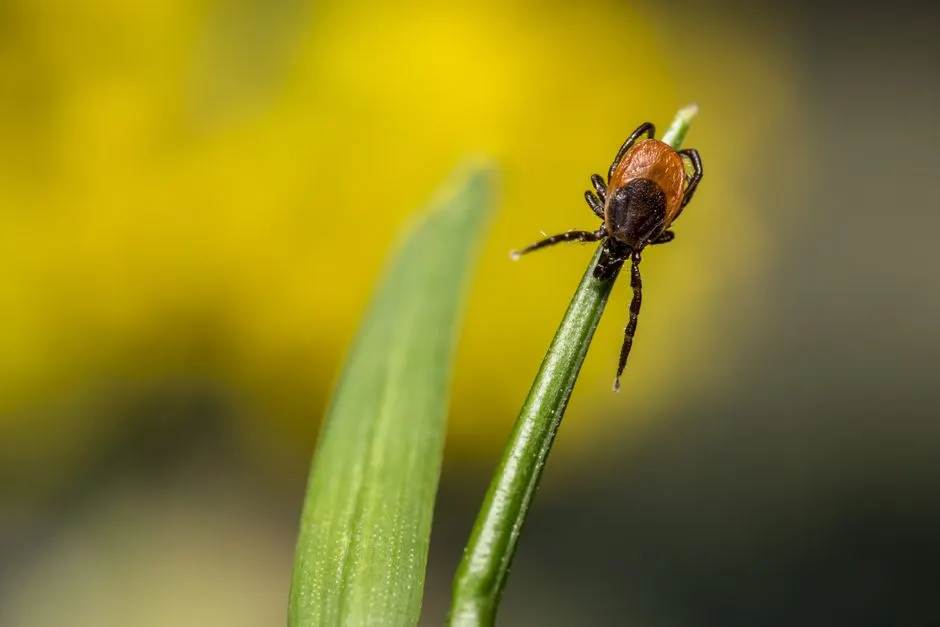
- Yard pest and nest response — We inspect Clinton yards for mole activity, flea or tick concerns, and stinging insect nests near entrances or outdoor living areas. Treatment depends on the pest and location. We identify affected zones, explain safe access during service, and discuss practical ways to monitor activity.