








Residential Pest Control for East End Homes
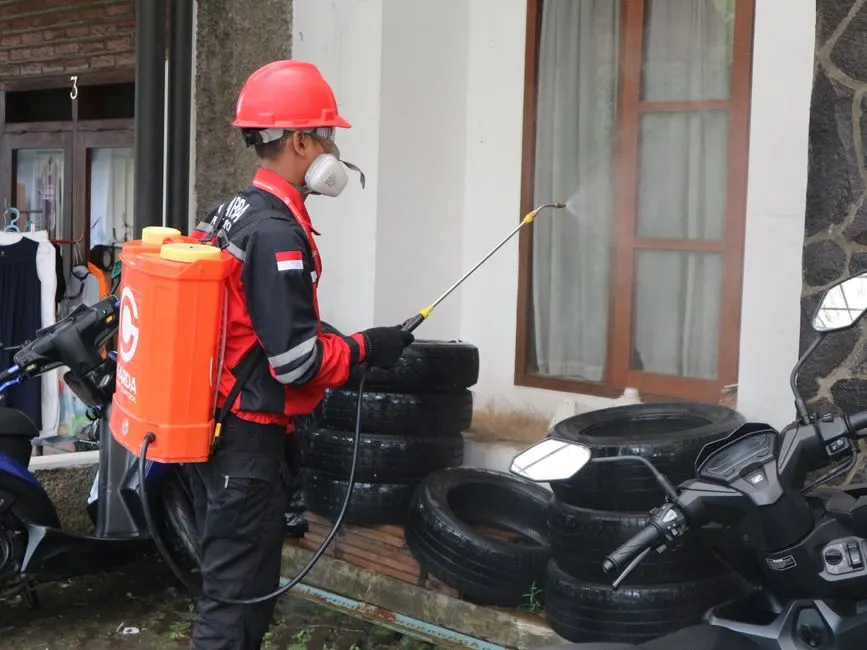
Residential Pest Control in East End needs to account for detached homes, garages, crawl spaces, and the everyday routines of the people living there. Rodent signs in a pantry, ants around a sink, or wasps near a side door call for different inspections and treatments. We ask where activity appears, whether it happens at a certain time, and what rooms or outdoor areas are affected. Our team checks accessible entry points and explains preparation that fits the service. If children or pets use the area, tell us before treatment so we can plan access and product placement. You get a practical next step for the home, including what to monitor and which conditions to correct.
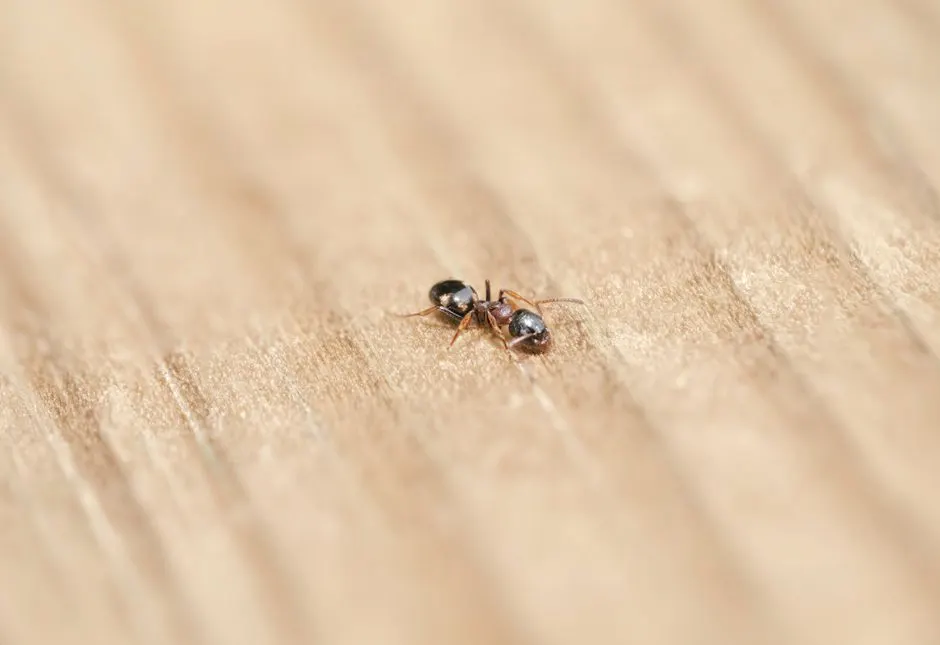
- Interior pest inspection and treatment — We inspect the rooms where you see activity, then check nearby plumbing, appliance edges, and storage areas for supporting evidence. For East End homes, that may mean following an ant trail from a counter to a cabinet gap or checking a laundry area for moisture. Treatment stays focused on identified areas, with clear preparation steps.
- Garage and attic rodent control — If you hear movement above a ceiling or find droppings near stored items, we check accessible attic and garage routes before placing traps. In East End, attached garages and utility penetrations are common places to inspect. We explain how to reduce food access and which openings may need exclusion after activity is addressed.
- Yard-edge flea and tick service — We assess the areas where people and pets use the yard, including shaded edges and paths beside the home. For East End customers, we coordinate treatment with the property's layout and explain how to prepare pet resting areas. Continue veterinary prevention for pets as directed by your veterinarian.
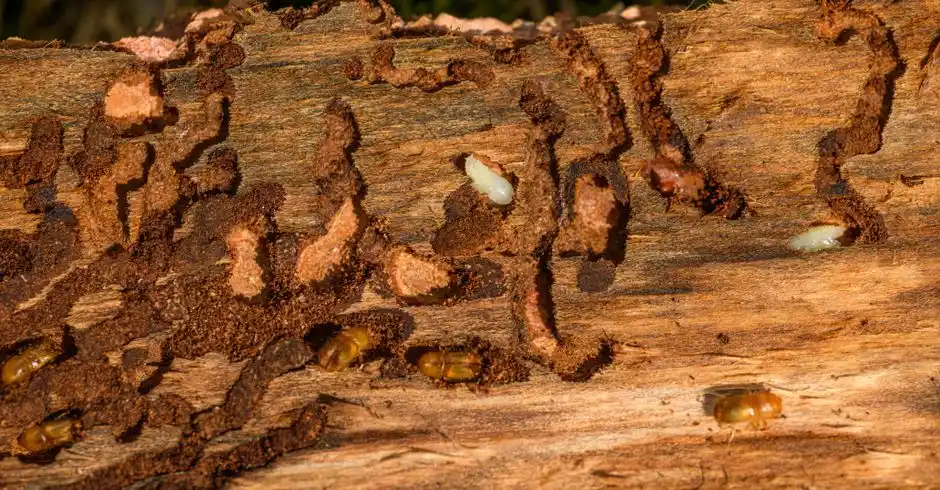
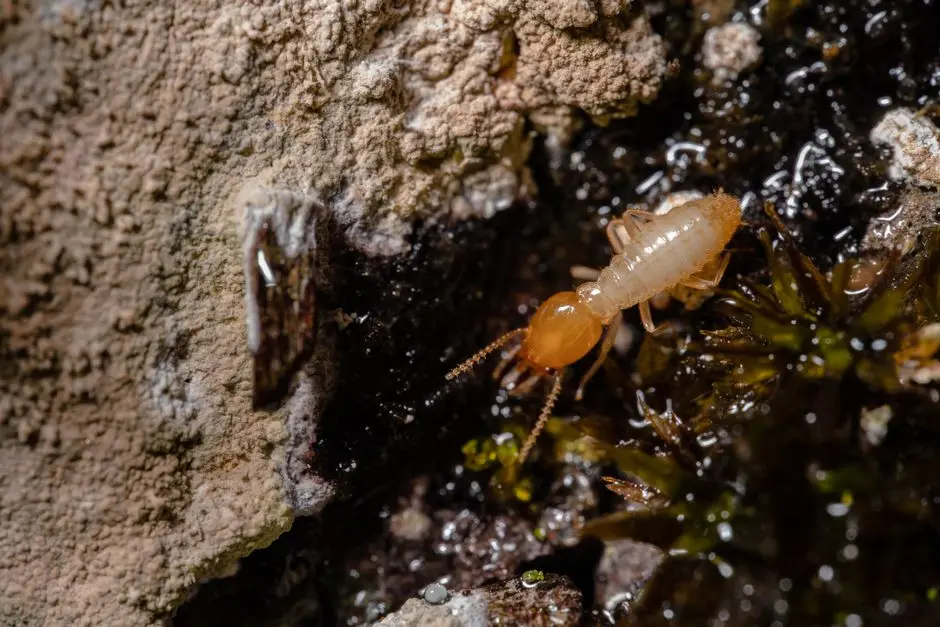
- Termite evidence and prevention checks — We inspect accessible foundation edges, crawl-space entrances, and wood close to soil for signs such as mud tubes or damaged boards. In East End, the inspection helps distinguish visible evidence from assumptions based on age or location. We explain treatment options and practical changes that may reduce conducive conditions.