




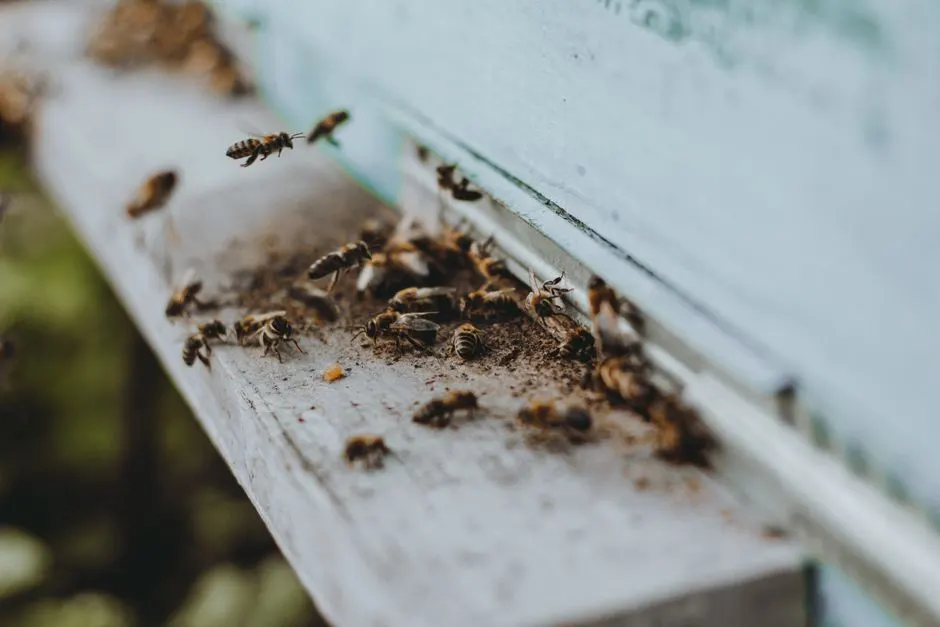
Arkansas Pest Solutions
Get Estimate

Pest Control in Green Forest for Local Homes

Pest Control in Green Forest starts with finding how pests enter, where they nest, and what is keeping them active. Arkansas Pest Solutions handles rodent control, ants, cockroaches, stinging insects, termites, and other problems for homes and businesses across town. Tell us what you have seen, where it appeared, and when it started; we will inspect the relevant areas and explain the treatment plan before work begins.

Call Our Team Request Service
Local service Phone support Targeted treatment
Licensed Licensed & Bonded
Fully Insured Insured & Bonded
24/7 Emergency Same-Day Response
Warranty Backed Workmanship Guaranteed in Green Forest
Green Forest

Pest Control in Green Forest, Arkansas


Pest Control in Green Forest is a professional service that identifies pest activity, addresses entry and nesting conditions, and treats active infestations when needed. Arkansas Pest Solutions serves Green Forest in Carroll County, where wooded edges, changing temperatures, and a mix of older homes, newer houses, and working buildings shape the inspection. Our crew asks what you have noticed, checks likely routes, and chooses a treatment that fits the pest and the structure. For rodent control, we look at garage edges, utility penetrations, attics, and crawl spaces rather than placing bait without tracing activity. General pest control starts with evidence and practical prevention steps. Green Forest is part of our wider Arkansas service region, which also includes Little Rock, Fayetteville, and nearby communities. We focus each visit on the property in front of us, not a copied treatment checklist.

  • Locally licensed and insured in Green Forest
  • Same-day diagnostics and written estimates
  • Real workmanship warranty in writing
  • Background-checked, in-house technicians

Pest Control Services Across Green Forest

Green Forest pest calls change with the season and the property. A home near the edge of town may have different entry points from a storefront on the main commercial corridor, so we start by separating indoor evidence from outdoor conditions. If you are searching for help with mice in a Green Forest home, note the room, droppings, gnaw marks, and time of day you notice them. That information helps us inspect efficiently. We also handle ants, cockroaches, stinging insects, termites, occasional invaders, wildlife entry, fleas, ticks, bed bugs, and lawn-damaging moles or gophers.

Rodent Control

Rodent Control

We trace mouse or rat signs through kitchens, garages, attics, and crawl spaces in Green Forest properties. A snap trap or bait station is selected according to the site and safety needs, while gaps around pipes and cables are checked for entry. You receive practical guidance on food storage and closing access points, not just a device left behind.

View Details
General Pest Control

General Pest Control

Our general pest visit begins with an inspection of the rooms and exterior areas where you see activity. We check baseboards, thresholds, foundation edges, and utility openings, then apply a targeted treatment suited to the pest identified. Green Forest homes with porches, attached garages, or crawl spaces get attention at those transitions as well as inside.

View Details
Stinging Insect Control

Stinging Insect Control

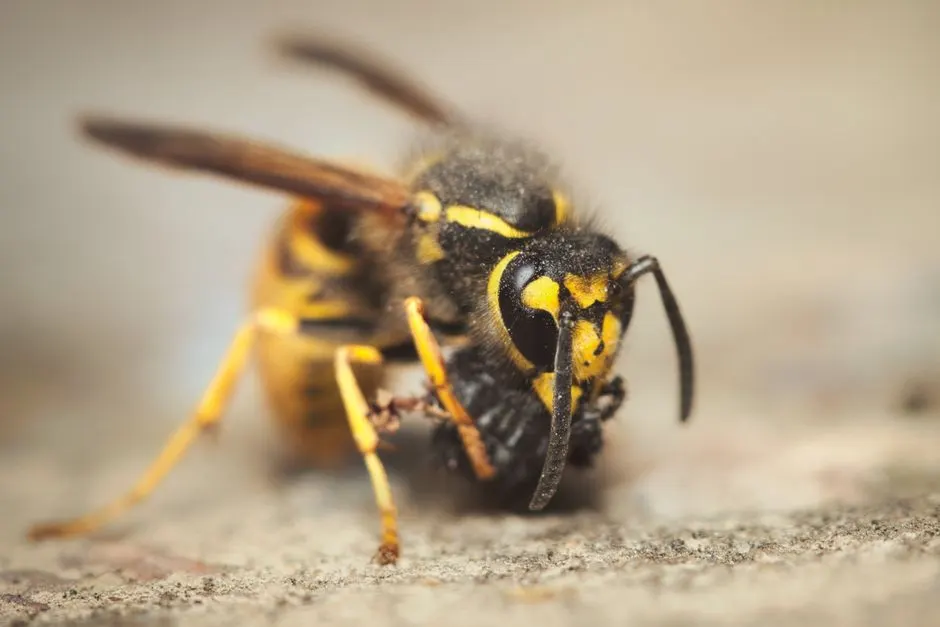
Wasps and yellow jackets around an entry, deck, or eave call for a careful nest assessment. We identify the insect and nest location before treatment, taking account of doors, walkways, and family use of the yard. In Green Forest, tell us whether activity is near a doorway or a frequently used outdoor space so we can plan access safely.

View Details
Occasional Invader Control

Occasional Invader Control

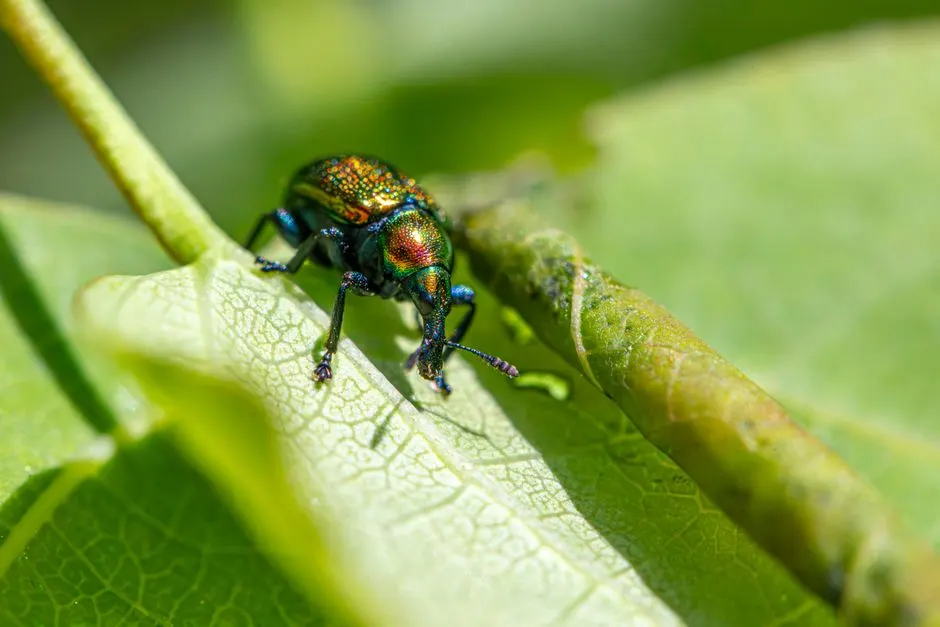
Stink bugs and other occasional invaders often appear around windows, siding, and attic openings as outdoor temperatures fall. We inspect likely entry gaps and explain practical sealing steps alongside an appropriate treatment. For Green Forest properties, the goal is to reduce indoor arrivals by addressing the route, not simply clearing insects you can already see.

View Details
Cockroach Control

Cockroach Control

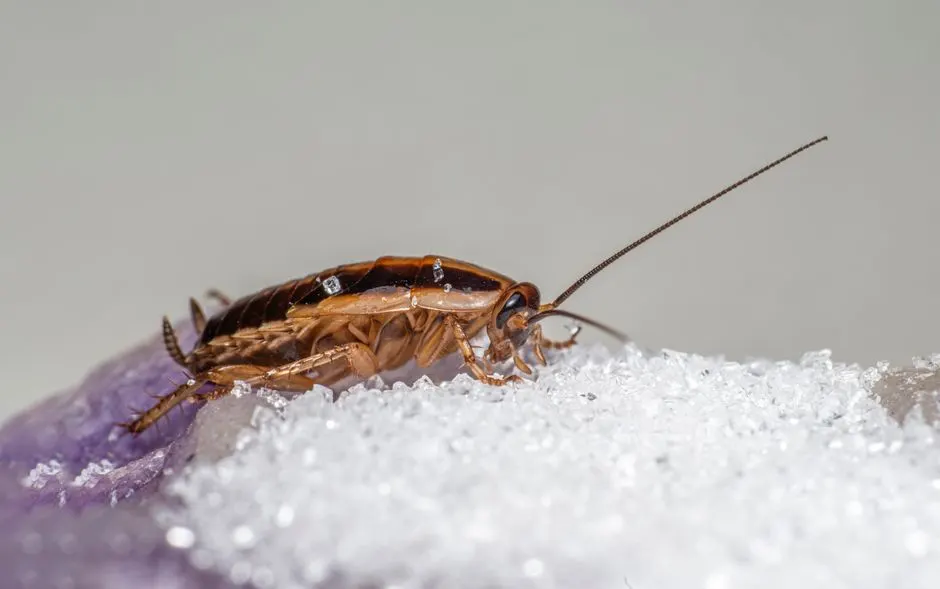
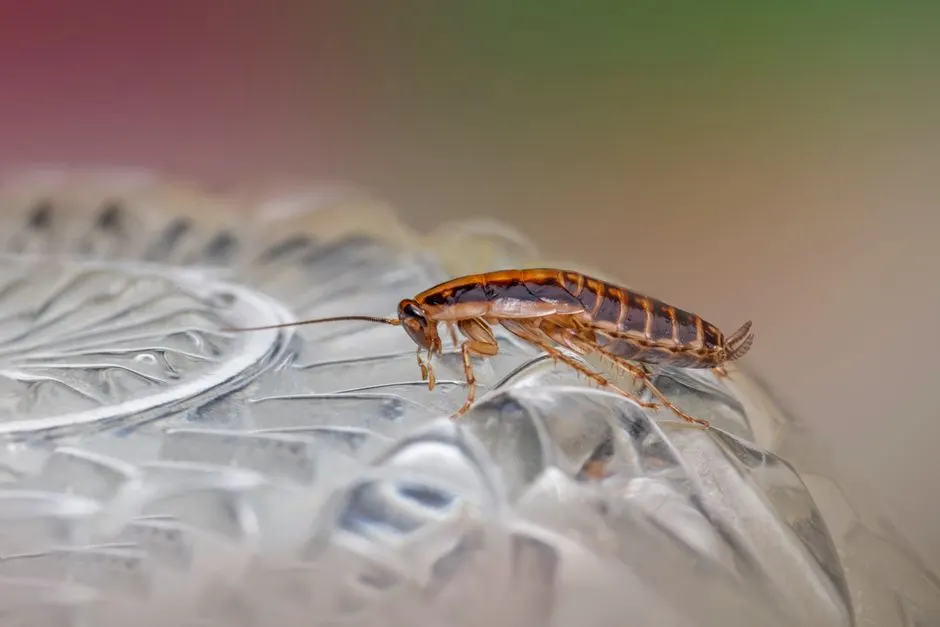
A cockroach sighting deserves a close look at water, warmth, food, and hiding places. We inspect kitchens, bathrooms, utility areas, and adjoining rooms, then select treatment based on the species and evidence. If you suspect a German cockroach infestation in Green Forest, share where and when you have seen activity; that helps us target likely harborages.

View Details
Ant Control

Ant Control

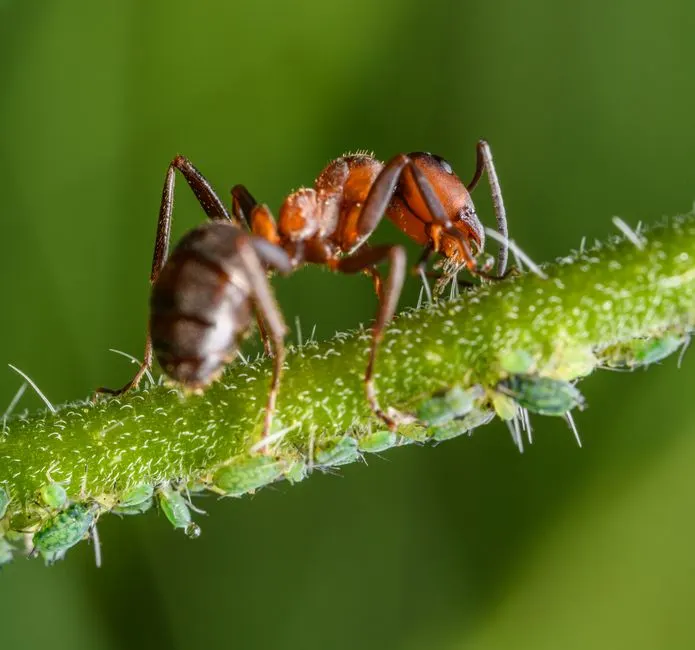
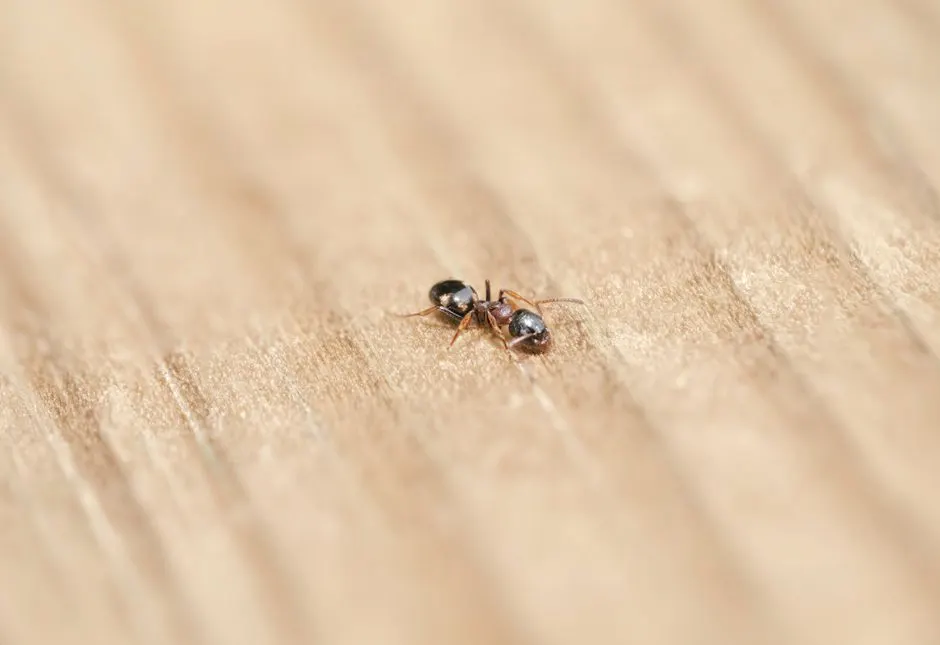
Ant trails across counters or along a foundation point to a route that needs to be traced. We inspect indoor trails and exterior edges, identify the likely source, and use a targeted application rather than treating every surface. In Green Forest, note whether ants appear after rain, around a sink, or near a door; the pattern helps guide the inspection.

View Details
Wildlife Removal

Wildlife Removal

Noises above a ceiling or disturbed insulation can indicate wildlife entry, but the species and access point must be confirmed first. We inspect the attic and exterior openings, then plan removal and exclusion suited to the animal and structure. Green Forest customers should avoid sealing an opening before confirming that an animal is not trapped inside.

View Details
Termite Control

Termite Control

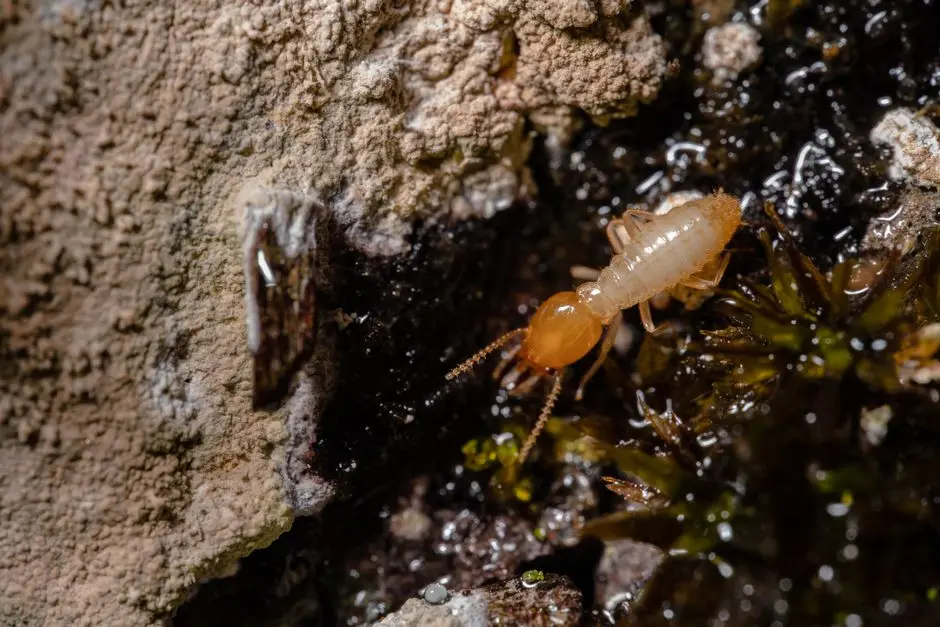
Termite inspections focus on foundation lines, wood-to-soil contact, crawl spaces, and other concealed routes. We look for mud tubes, damaged wood, and conditions that support activity, then explain suitable treatment options. If you find suspected subterranean termite damage in Green Forest, avoid disturbing the evidence before an inspection.

View Details
Pest Inspection

Pest Inspection

A Green Forest pest inspection checks the locations tied to your concern, including attics, crawl spaces, kitchens, garages, and exterior penetrations where accessible. We use a pest inspection flashlight and moisture meter where they help locate activity or contributing conditions. You get a clear account of what we found and what action follows.

View Details
Flea & Tick Control

Flea & Tick Control

Flea and tick service starts by identifying the affected rooms or outdoor areas and discussing pets, people, and recent activity. We target the relevant areas and explain preparation and follow-up steps for your Green Forest property. Tell us whether bites or pests are appearing indoors, in bedding, or around the yard so treatment matches the evidence.

View Details
Bed Bug Treatment

Bed Bug Treatment

Bed bug treatment requires inspection of mattress seams, bed frames, nearby furniture, and other likely harborage points. We confirm signs before selecting a treatment plan and explain the preparation needed for your Green Forest home. If you find spotting or live insects, keep affected items contained and avoid moving them from room to room.

View Details
Mole & Gopher Control

Mole & Gopher Control

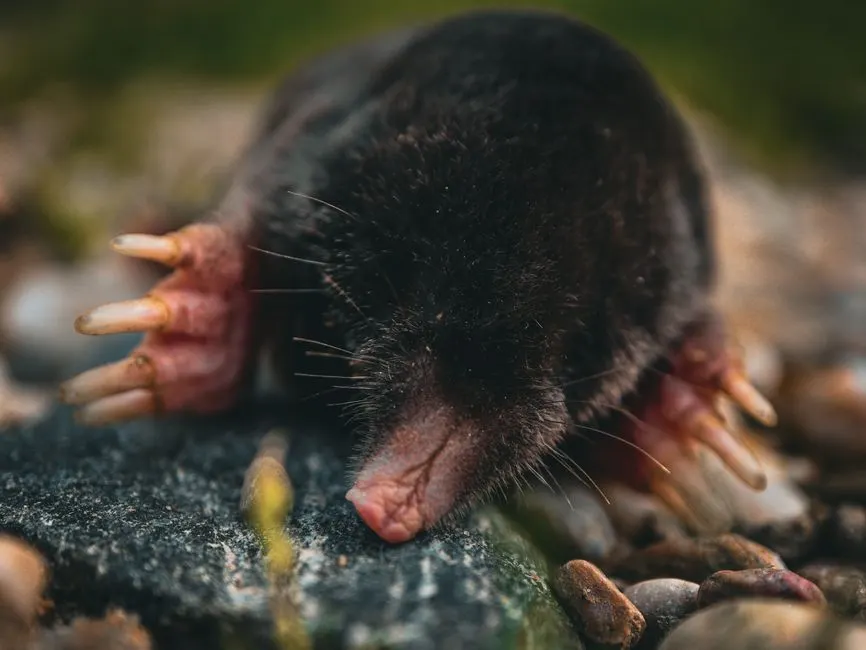
Raised ridges, fresh mounds, or damaged turf can signal mole or gopher activity. We inspect the pattern and active runs in your Green Forest yard before selecting a control approach. Mark the newest soil disturbance and tell us when it appeared; fresh signs help distinguish current activity from older lawn damage.

View Details
Rodent Control in Green Forest
Service ยท #1

Rodent Control in Green Forest


Pest Control in Green Forest starts with understanding where mice and rats enter and nest. Arkansas Pest Solutions checks homes and businesses across Green Forest, including older properties near the town center, where gaps around foundations, utility lines, and crawl spaces can invite rodents indoors. We look for signs such as droppings, gnawing, and nesting material, then recommend practical steps tailored to the building and the activity found.

Finding Entry And Nesting

Rodents often use small openings beneath doors, around pipes, or along aging siding. In Green Forest homes with basements, crawl spaces, or attached garages, a careful inspection can reveal concealed travel routes. Our rodent control service identifies likely access points and nesting areas, helping distinguish a current infestation from occasional outdoor activity before treatment begins.

Reducing Food And Shelter

A lasting plan addresses conditions that keep rodents close to the structure. We note uncovered pet food, accessible pantry goods, cluttered storage, and brush touching exterior walls. In neighborhoods near wooded edges and open lots, removing these attractants can make buildings less inviting while professional measures address rodents already inside.

Monitoring After Treatment

After service, we can check activity indicators and review whether entry points remain active. Green Forest's wet periods may expose weak seals or create sheltered routes beneath decks and porches, so follow-up observations matter. We explain what to watch for and share specific prevention recommendations based on the property's construction and the evidence recorded during the visit.

  • Inspect attic, crawl-space, garage, and kitchen areas for rodent evidence.
  • Identify likely entry gaps around foundations, doors, siding, and utilities.
  • Place appropriate control measures in areas showing verified activity.
  • Provide property-specific exclusion and sanitation recommendations for prevention.

General Pest Control in Green Forest


Pest Control in Green Forest helps manage the insects and nuisance pests that can move indoors as seasons change. Arkansas Pest Solutions serves properties throughout town, from established houses near downtown to newer homes on the outskirts. Warm, humid Arkansas weather can support persistent pest activity, while rain and temperature shifts encourage pests to seek shelter. We inspect the structure, identify concerns, and shape service around the property's needs.

  1. 01

    A Property Specific Assessment

    We begin by asking what residents have seen and where activity occurs, then check common harborages indoors and outside. Kitchens, utility rooms, garages, foundation edges, and porch areas can all reveal useful clues. This local assessment helps us choose general pest control measures for the home rather than applying a one-size-fits-all approach.

  2. 02

    Exterior Protection And Prevention

    Green Forest properties often combine shaded yards, garden beds, and wooded surroundings that provide cover for crawling insects. We inspect exterior transitions, door thresholds, and areas where vegetation meets siding. Addressing these conditions alongside appropriate treatment can reduce pest pressure and help limit insects moving from the yard into living spaces.

  3. 03

    Seasonal Service Adjustments

    Pest activity changes as spring growth, summer heat, and autumn cooling arrive in Carroll County. During service, we note current findings and discuss which areas may need attention as conditions shift. That record helps keep future visits relevant to your Green Forest property, whether the concern is indoor sightings, perimeter activity, or recurring seasonal incursions.

  • Inspect interior rooms, exterior foundations, garages, and entry transitions.
  • Document pest activity, conducive conditions, and areas requiring attention.
  • Apply targeted treatments to locations supported by inspection findings.
  • Share practical prevention steps suited to the property and season.
General Pest Control in Green Forest

02 / 12

Service

5+ YEARS ยท GREEN FOREST

Stinging Insect Control in Green Forest

Pest Control in Green Forest includes careful attention to wasps, hornets, and bees nesting near people. Arkansas Pest Solutions checks eaves, porch roofs, sheds, and other sheltered spots around Green Forest homes and businesses. Warm months and frequent outdoor activity can make nests near doors or play areas especially concerning. We assess the insect and nest location before recommending a safe, appropriately targeted response for the property.

Locating Active Nests

Repeated insect flight paths can point to a nest hidden under an eave, inside a wall void, or beneath a deck. We inspect from a safe distance and consider access, nest size, and nearby foot traffic. For stinging insect control, accurate identification matters because different species and nest locations call for different handling.

Protecting Busy Outdoor Areas

Green Forest porches, backyard patios, and shed entrances see regular use in warmer weather. A nest close to these spaces can turn ordinary outdoor routines into a hazard, particularly for children or people with sting allergies. We prioritize the location's exposure and explain how to keep people clear during service and until the area is safe.

Reducing Repeat Nesting

After addressing an active nest, we can point out sheltered ledges and gaps that may attract future nesting. Older wood trim and covered porch structures around town can offer convenient attachment sites. Removing abandoned nest material when appropriate and checking these areas early in the season can help you spot new activity before a colony grows.

  • Identify nest location, insect type, and exposure to household traffic.
  • Treat accessible active nests using an approach matched to conditions.
  • Advise occupants about temporary precautions around the treatment area.
  • Flag sheltered eaves and gaps that may attract future nesting.
Occasional Invader Control in Green Forest

Occasional Invader Control in Green Forest


Pest Control in Green Forest can address occasional invaders that appear indoors after rain, temperature changes, or shifts in outdoor conditions. Arkansas Pest Solutions serves homes across town, including properties near wooded margins where insects may wander in from leaf litter and landscape beds. We investigate where sightings occur and how pests enter, then recommend a focused response that pairs appropriate treatment with practical ways to reduce indoor access.

Inspect rooms where occasional insects have been repeatedly observed.

Promise

“A few insects near a window or basement floor may indicate an exterior route rather than an established indoor population. We inspect window wells, door seals, foundation cracks, and utility penetrations common to Greโ€ฆ”

โ€” Green Forest customer
Tracing Indoor Sightings +

A few insects near a window or basement floor may indicate an exterior route rather than an established indoor population. We inspect window wells, door seals, foundation cracks, and utility penetrations common to Green Forest houses. Our occasional invader control assessment records where and when sightings occur so treatment can focus on the source.

Managing Seasonal Pressure +

Heavy rain, dry spells, and cooler nights can push outdoor insects toward sheltered interiors. Leaf litter, mulch, and stacked firewood beside a home may provide nearby hiding places. We review these conditions around the property and explain which adjustments could reduce pest pressure without disrupting landscaping or normal household use.

Sealing Common Access Routes +

Small gaps around thresholds, vents, and window frames can be enough for wandering pests to get inside. We identify practical exclusion opportunities, especially where older trim or settling has opened a seam. For Green Forest properties, combining seal improvements with perimeter attention can help limit repeat appearances when outdoor conditions change.

  • Inspect rooms where occasional insects have been repeatedly observed.
  • Check foundation edges, window wells, door sweeps, and utility openings.
  • Apply focused treatments to identified exterior harborages and access areas.
  • Recommend landscape and exclusion adjustments to reduce indoor incursions.
Cockroach Control in Green Forest
Service ยท #5

Cockroach Control in Green Forest


Pest Control in Green Forest is important when cockroaches appear in kitchens, bathrooms, or storage areas. Arkansas Pest Solutions investigates sightings in Green Forest homes and commercial spaces, looking beyond visible insects to find hiding places and conditions supporting activity. Moisture, food residue, and tight gaps can sustain cockroaches in older buildings as well as newer construction. We use inspection findings to plan targeted treatment and explain steps that support control.

Inspecting Hidden Harborages

Cockroaches often hide behind appliances, beneath sinks, and inside cabinet or plumbing gaps. We inspect likely harborages and look for droppings, egg cases, and signs of movement, especially in warm, damp utility areas. Effective cockroach control depends on understanding where insects shelter and how they reach food and water in the building.

Addressing Moisture And Food

Leaking pipe connections, standing water, crumbs, and unsealed food can help cockroach populations persist. We point out conditions observed during service and suggest manageable corrections for the household or business. In Green Forest kitchens and break rooms, improving sanitation and repairing moisture sources can complement professional treatment and make continued activity easier to assess.

Checking Treatment Progress

Cockroach activity can take time to decline, so follow-up checks help show whether the plan is working. We review monitoring points and ask about new sightings in rooms where insects were previously reported. For multi-room homes or food-service areas in Green Forest, documenting locations helps direct any additional attention toward the remaining activity.

  • Inspect kitchens, bathrooms, utility spaces, and appliance surroundings.
  • Locate cockroach evidence, moisture sources, and potential feeding areas.
  • Apply targeted treatments to documented harborages and travel routes.
  • Provide sanitation and monitoring guidance for occupants and staff.

Ant Control in Green Forest


Pest Control in Green Forest can help when ant trails cross counters, floors, or exterior walls. Arkansas Pest Solutions follows those trails to understand where ants are entering and what is attracting them. In Green Forest, spring and summer warmth can increase outdoor foraging around lawns, foundations, and gardens. We inspect inside and outside, identify conditions encouraging activity, and select a plan suited to the ant problem and property.

  1. 01

    Following Trails To Their Source

    Visible ants are often workers traveling between food and a hidden nest. We trace activity along baseboards, window frames, and foundation edges, checking likely entry points around Green Forest homes. Ant control works best when the approach accounts for the species and source, rather than simply treating the few insects seen on a countertop.

  2. 02

    Removing Attractive Conditions

    Sweet spills, pet bowls, damp wood, and plants touching siding can draw ants close to a structure. We review these conditions during inspection and suggest specific changes that fit the property. Garden beds and mature landscaping in town may need particular attention where branches or mulch create a bridge toward doors and windows.

  3. 03

    Treating Indoor And Outdoor Routes

    The appropriate treatment depends on whether ants are nesting indoors, entering from outside, or both. We focus service on confirmed routes and relevant harborages, then explain what activity may look like afterward. Green Forest residents can help by keeping treated areas undisturbed as directed and noting any new trails for the next assessment.

  • Trace indoor trails and inspect exterior foundation activity for entry points.
  • Identify ant attractants, nesting clues, and vegetation touching structures.
  • Treat confirmed routes and harborages with a targeted service plan.
  • Explain follow-up observations and household steps that discourage foraging.
Ant Control in Green Forest

06 / 12

Service

5+ YEARS ยท GREEN FOREST

Wildlife Removal in Green Forest

Pest Control in Green Forest may involve wildlife that has entered an attic, crawl space, or outbuilding. Arkansas Pest Solutions responds to reports from Green Forest properties where roof openings, loose soffits, and sheltered spaces can provide access. Scratching sounds, damaged insulation, or droppings may signal an animal inside, but identifying the species and entry route is essential. We assess the situation and discuss suitable removal and prevention options.

Identifying Animal Activity

Different sounds and signs can help distinguish wildlife from rodents or other pests. We look for tracks, nesting material, disturbed insulation, and likely access points around roofs and foundations. A wildlife removal assessment for a Green Forest home considers the animal involved, the space it occupies, and any immediate risks to residents or pets.

Planning Careful Removal

Removal recommendations depend on species, access, and the condition of the building. We explain the proposed approach and any preparation needed before work begins, taking care to avoid unnecessary disturbance to occupied spaces. Older barns, sheds, and houses near wooded areas around Green Forest may require a different plan than a small attic entry.

Preventing Return Access

Once the wildlife concern is addressed, open soffits, damaged vents, or gaps at rooflines may still invite another animal. We document vulnerable spots and discuss repairs or exclusion measures appropriate to the structure. Green Forest's seasonal storms can loosen exterior materials, so periodic checks of sheds and roof edges are useful prevention habits.

  • Inspect reported attic, crawl-space, roofline, and outbuilding activity.
  • Document animal signs, access openings, and potential interior damage.
  • Explain removal options and necessary occupant precautions before service.
  • Recommend exclusion repairs to help prevent wildlife reentry.
Termite Control in Green Forest

Termite Control in Green Forest


Pest Control in Green Forest includes inspecting for termite activity that can remain hidden behind walls or beneath floors. Arkansas Pest Solutions checks homes and structures throughout town, where moisture, soil contact, and wood features can create conditions termites favor. Older framing, porch supports, and damp crawl spaces deserve careful attention. We assess visible evidence and conducive conditions, then explain suitable next steps based on the building and inspection findings.

Inspect accessible foundations, crawl spaces, porches, and wood-to-soil contacts.

Promise

“We examine accessible foundation edges, crawl spaces, porch posts, and areas where wood meets soil. Mud tubes, damaged timber, or discarded wings can warrant closer evaluation, though a single clue does not tell the wโ€ฆ”

โ€” Green Forest customer
Inspecting Wood And Foundations +

We examine accessible foundation edges, crawl spaces, porch posts, and areas where wood meets soil. Mud tubes, damaged timber, or discarded wings can warrant closer evaluation, though a single clue does not tell the whole story. Termite control starts with mapping evidence and understanding how moisture and construction details affect a Green Forest property.

Reducing Moisture And Contact +

Leaky gutters, poor drainage, and wood stored against a structure can increase termite risk. During the visit, we note conditions that may sustain damp soil or provide hidden access to wooden components. Green Forest's rainy periods make drainage and crawl-space ventilation especially relevant, so practical corrections can support a broader prevention plan.

Explaining Treatment Options +

After inspection, we describe the evidence found, areas of concern, and appropriate treatment choices. The recommended plan depends on the structure, accessibility, and extent of activity; no treatment should be assumed without assessment. We also explain what monitoring or follow-up may be useful so property owners understand how termite concerns will be evaluated over time.

  • Inspect accessible foundations, crawl spaces, porches, and wood-to-soil contacts.
  • Record termite indicators and moisture conditions found during the assessment.
  • Explain treatment recommendations based on property-specific inspection evidence.
  • Provide prevention guidance for drainage, storage, and structural maintenance.
Pest Inspection in Green Forest
Service ยท #9

Pest Inspection in Green Forest


Pest Control in Green Forest often begins with a thorough inspection to clarify what is happening and where. Arkansas Pest Solutions evaluates homes and businesses across Green Forest, including older properties with additions, crawl spaces, and varied exterior materials. We ask about sightings, inspect accessible areas, and look for evidence that may be easy to miss. The findings help guide service recommendations and practical prevention tailored to the building.

Reviewing Interior Evidence

Our inspection may include kitchens, bathrooms, utility rooms, attics, and storage areas, depending on the reported concern. We look for droppings, damage, insect traces, moisture, and possible harborage without assuming one sign confirms a particular pest. For Green Forest properties, access and construction details shape how thoroughly each area can be evaluated.

Checking Exterior Conditions

Outside, we assess foundation transitions, door and window seals, vegetation, drainage, and other conditions that can encourage pest access. Shaded yards and wooded edges around town can support outdoor activity close to buildings. A well-documented pest inspection helps connect exterior conditions with indoor sightings and identify useful prevention measures.

Clear Findings And Next Steps

After reviewing the property, we explain what evidence was observed, what remains uncertain, and which next steps are appropriate. We can prioritize active concerns and note improvements that may reduce future risk. Green Forest owners receive practical information tied to the inspected rooms and exterior areas, rather than a generic checklist detached from the property.

  • Inspect accessible interior areas connected to reported pest concerns.
  • Check exterior entry points, landscape conditions, and moisture indicators.
  • Document observed evidence and areas that could not be accessed.
  • Summarize findings with prioritized treatment and prevention recommendations.

Flea & Tick Control in Green Forest


Pest Control in Green Forest can reduce flea and tick concerns around pets, yards, and living spaces. Arkansas Pest Solutions serves households throughout town, where shaded lawns, tall grass, and wildlife activity can contribute to outdoor exposure. Fleas may also persist indoors when pets carry them inside. We assess the areas where people and animals spend time, then recommend a treatment plan and prevention steps suited to the property.

  1. 01

    Assessing Yard Exposure

    Ticks are more likely to be encountered in shaded, humid areas with tall grass, leaf litter, or brush. We inspect relevant parts of Green Forest yards, including fence lines and places where pets rest. Flea & tick control focuses on the areas supporting exposure, rather than treating every part of a property without regard to use or habitat.

  2. 02

    Addressing Indoor Flea Activity

    When fleas are reported indoors, we ask about pet routines, recent sightings, and rooms where activity is concentrated. Carpets, pet bedding, and upholstered areas may need careful attention as part of the plan. Coordinating professional treatment with laundering and veterinarian-recommended pet care helps address the different sources involved.

  3. 03

    Supporting Ongoing Prevention

    After service, keeping grass trimmed and clearing leaf litter from frequently used areas can reduce sheltered habitat. We discuss how pets move through the Green Forest property and which zones may need continued observation. Regular checks of animals and outdoor resting spots can help residents notice renewed flea or tick activity early.

  • Inspect shaded yard zones, pet resting places, and likely travel routes.
  • Assess indoor rooms where flea activity or pet exposure is reported.
  • Treat appropriate areas according to documented conditions and service guidance.
  • Provide yard maintenance and household coordination recommendations for prevention.
Flea & Tick Control in Green Forest

10 / 12

Service

5+ YEARS ยท GREEN FOREST

Bed Bug Treatment in Green Forest

Pest Control in Green Forest can help address bed bugs when bites, stains, or live insects raise concern. Arkansas Pest Solutions inspects sleeping areas and nearby furnishings in Green Forest homes and lodging spaces, using evidence rather than assumptions to guide recommendations. Bed bugs can hide in narrow seams and spread between rooms through belongings. We explain what was found and outline preparation and treatment steps specific to the affected property.

Inspecting Sleeping Areas

We examine mattress seams, bed frames, headboards, nearby furniture, and other likely hiding places. In Green Forest properties with older furniture or closely spaced bedrooms, a methodical inspection helps determine whether signs indicate active bed bugs. Bed bug treatment planning depends on the extent and location of evidence, not bites alone.

Preparing Rooms For Service

Preparation instructions are based on the treatment plan and the rooms involved. We explain how to handle bedding, clothing, and personal items, and which belongings should remain undisturbed. Clear preparation helps ensure the service can reach relevant hiding places in bedrooms and adjacent areas without spreading items unnecessarily.

Verifying Activity After Treatment

Follow-up observations help establish whether bed bug activity has stopped or requires further attention. We review reported sightings and inspect relevant locations according to the service plan. For Green Forest households, careful communication among residents helps distinguish new evidence from old marks and supports timely decisions about next steps.

  • Inspect mattresses, bed frames, furniture seams, and nearby room features.
  • Record evidence locations and identify areas needing treatment attention.
  • Provide written preparation steps matched to the proposed service plan.
  • Review post-treatment observations and discuss appropriate follow-up measures.
Mole & Gopher Control in Green Forest

Mole & Gopher Control in Green Forest


Pest Control in Green Forest can address moles and gophers when tunneling disrupts lawns, gardens, or landscaped areas. Arkansas Pest Solutions evaluates visible mounds, ridges, and active runways on Green Forest properties before recommending a response. Soil conditions, watering, and available food sources can influence underground activity. We identify the likely animal and affected zones, then explain a focused control plan designed around the yard and its use.

Map active mounds, surface runs, garden damage, and affected lawn zones.

Promise

“Surface signs can help distinguish mole tunnels from gopher activity, but mound shape and placement need context. We inspect the pattern of raised soil, damaged plants, and travel routes across lawns and garden edges.โ€ฆ”

โ€” Green Forest customer
Reading Mounds And Runways +

Surface signs can help distinguish mole tunnels from gopher activity, but mound shape and placement need context. We inspect the pattern of raised soil, damaged plants, and travel routes across lawns and garden edges. Mole & gopher control begins with identifying which animal is responsible so the response addresses the correct behavior.

Protecting Lawns And Gardens +

Tunneling may affect ornamental beds, vegetable gardens, and frequently used lawn areas. We note where damage is concentrated and discuss which parts of the Green Forest property should receive priority. Understanding irrigation, soil moisture, and nearby vegetation helps shape a plan that fits the landscape rather than treating unaffected ground.

Monitoring Changes In Activity +

After control measures are put in place, checking for fresh mounds or newly raised runs can show whether activity continues. We explain which signs to monitor and how to report changes in affected areas. Seasonal rainfall and soil conditions around Green Forest can alter how clearly tunnels appear, making consistent observation useful.

  • Map active mounds, surface runs, garden damage, and affected lawn zones.
  • Assess likely animal activity before selecting appropriate control measures.
  • Apply targeted measures to documented travel routes and active areas.
  • Explain how to monitor fresh tunneling and report renewed activity.
Residential Pest Control

Residential Pest Control for Green Forest Homes

Green Forest homes include in-town houses, rural residences, properties with crawl spaces, and buildings with detached garages or storage. Those differences affect where we look for pests and how we reach the affected area. General pest control begins with your observations: which room, what time, and whether the signs recur. We inspect kitchens, bathrooms, foundations, attic access, and exterior doors as the problem requires. If rodents are involved, we trace likely entry points; for insects, we identify trails, nests, or harborage before treatment. We explain any preparation and label-based precautions, then review what signs you should watch for afterward. Tell us about pets, children, garden areas, and locked outbuildings so the visit fits your household.

  • Rodent checks for home entry points โ€” We inspect kitchens, garages, and accessible attic or crawl-space areas where you have found droppings, gnawing, or sounds. For Green Forest homes, we look for routes around pipes and doors, then select control devices and explain practical sealing steps suited to the opening.
  • Targeted indoor insect treatments โ€” We identify the insect and follow activity in the rooms where you see it before treating. In Green Forest, kitchens, bathrooms, window frames, and porch entrances often provide useful inspection points. You receive clear instructions for surfaces, pets, and room access after application.
  • Termite and wood-damage inspection โ€” We examine accessible foundation lines, crawl spaces, and suspicious wood for signs of termite activity. If you notice mud tubes or soft timber at your Green Forest home, point them out without breaking them apart. We explain findings and suitable next steps.
  • Yard and stinging-insect response โ€” We assess nests near doors, decks, and walkways, as well as fresh lawn ridges or mounds that may indicate mole or gopher activity. For Green Forest households, we identify the pest first and direct treatment at the active location, keeping family use of the yard in mind.
Commercial Pest Control

Commercial Pest Control in Green Forest

Green Forest businesses need pest work planned around customers, staff, food handling, deliveries, and building access. A storefront, restaurant, office, or storage building has different inspection points and operating hours, so we ask where activity appears and when the space is clear. If you are looking for commercial pest control for a Green Forest business, describe the affected room, entrance, and any sanitation or storage concerns. We inspect likely harborages and entry routes, choose a targeted method, and explain product precautions and monitoring needs. Service can be coordinated around operating routines so essential entrances and work areas remain usable according to the treatment label and job conditions.

Restaurants and cafesRetail shopsOfficesFood storage businessesSchools and community facilities

Common Green Forest Pest Problems

Green Forest has a humid climate with warm summers, periods of heavy rain, and cool winter spells. Those shifts affect when insects forage outdoors and when rodents seek sheltered spaces. Local properties range from compact in-town houses to homes with crawl spaces, garages, and detached storage, so inspection access matters. General pest control works best when it accounts for the structure, the season, and the evidence. We check for moisture, food sources, and entry routes instead of treating every Green Forest building the same way.

Mice entering kitchens and garages through small utility gaps

Small openings around pipes, cables, doors, and garage edges provide a route into warm, sheltered spaces. Stored food, cardboard, and seldom-used corners can make a garage attractive. Cooler spells can make indoor signs more noticeable, but the entry point still needs to be found.

Ant trails along window frames, counters, and foundation edges

Ants follow food and moisture, and activity may shift between outdoor and indoor routes as conditions change. A trail near a window or sink can connect to a concealed entry point. Cleaning visible ants helps with sanitation but may leave the source and route untouched.

Occasional invaders gather around siding and windows in fall

As outdoor temperatures cool, insects may seek protected spaces around siding, window frames, eaves, and attic openings. Small construction gaps can allow them indoors. The number found inside does not always reveal where they entered, so exterior inspection matters.

Termite evidence appears near foundation wood and crawl spaces

Termites can exploit concealed wood-to-soil contact and damp conditions, while crawl spaces and additions may hide early signs. Green Forest's rain and humidity make it important to inspect accessible foundation edges and wood rather than relying on a quick visual check indoors.

When to Call Green Forest Pest Control

Call when you see repeated pest evidence, not only when an insect is in view. Fresh droppings, gnaw marks, trails, shed insect skins, damaged wood, or a nest beside a door can point to activity that is growing or hidden. If you are wondering how to get rid of mice in a Green Forest house, first note the room, time, and signs you find; do not block a hole until you know whether animals are inside. A targeted inspection helps determine urgency and the safest next step.

  • Fresh droppings near food or wall edges

    Rodent droppings near a pantry, sink, or garage wall indicate recent activity and possible access to food or shelter. Avoid sweeping them dry; keep children and pets away and report the location. We inspect nearby openings and travel routes, then decide whether traps, exclusion, or both are appropriate.

  • A repeated ant trail inside the kitchen

    A line of ants returning to the same counter, window, or wall gap usually indicates a route to food or a nearby nest. Wiping visible ants may not remove the source. Note where the trail begins and ends, and keep food sealed until we inspect the route.

  • Scratching or movement above the ceiling

    Repeated sounds in an attic or ceiling void can point to rodents or wildlife using an opening in the structure. Do not seal an exterior hole before checking whether an animal is inside. We inspect accessible areas and identify the likely entry before recommending removal or exclusion.

  • Mud tubes or soft damaged foundation wood

    Mud tubes and weakened wood can be warning signs of subterranean termite activity. Damage may be concealed behind trim or near a foundation, so avoid breaking apart suspected evidence. Arrange an inspection to determine whether the marks are active and which treatment options fit.

  • A nest beside a frequently used doorway

    A wasp or yellow jacket nest near a door, deck, or walkway raises the chance of an encounter during ordinary entry and exit. Do not spray or knock it down yourself. Keep people back, note the nest location, and arrange professional identification and treatment.

Green Forest Pest Control Pricing

For typical 2026 pricing in this area, a straightforward inspection or small targeted treatment may fall around $125 to $300; broader infestations, exclusion work, or multi-visit plans can range from $300 to $900 or more. The actual price depends on pest type, property size, access, and how many areas need treatment. General pest control differs from a focused termite, bed bug, or wildlife job because the inspection and follow-up needs differ. Before work starts, we explain the price for the service being performed. Tell us whether you have an attic, crawl space, detached garage, or multiple affected rooms so we can understand the job. A clear description and a few photos can help us prepare, but an inspection confirms the scope.

Basic Service

$89 starting ยท per visit

  • Diagnostic visit
  • Written estimate
  • Same-day scheduling
  • 30-day warranty
Book This Plan

Premium Care

$499 annual plan

  • Two scheduled inspections
  • Priority emergency response
  • Discounted parts and labor
  • 5-year workmanship warranty
Book This Plan
  • Property size and access โ€” A small, open floor plan takes less inspection time than a large house with an attic, crawl space, detached garage, or several outbuildings. In Green Forest, mention low-clearance access, locked gates, and long driveways when you schedule so we can plan the visit accurately.
  • Pest type and activity โ€” A single wasp nest or a small ant trail differs from an established cockroach or bed bug problem that needs detailed inspection and follow-up. The treatment method, preparation, and monitoring requirements affect the total. We identify the pest before recommending a service.
  • Exclusion and repeat visits โ€” Closing rodent entry gaps, treating concealed activity, or checking a result over multiple visits adds labor and materials. We separate immediate pest treatment from longer-term prevention tasks, then explain which steps fit your Green Forest property and why.

Green Forest Landmarks and Routes

Green Forest is located in Carroll County, and US Highway 62 and Arkansas Highway 103 are useful road references when arranging a visit. The city center provides a clear point of orientation for addresses in the local street grid. Share your street address, a cross street, and any driveway or gate instructions when you call. For properties outside the center, those details help us distinguish a rural entrance from a nearby road or neighboring parcel.

Green Forest City Hall

City Hall is a recognizable civic reference in the central Green Forest area. It can help orient directions to nearby streets, but it does not indicate a service location or pest condition.

Green Forest Public Library

The public library is a local civic destination that can serve as an orientation point for central Green Forest directions. Use the actual property street address for service routing.

Green Forest High School

The high school is a recognizable local reference for directions around Green Forest. Its location can help identify nearby roads when arranging an appointment, without implying service activity at the school.

Coverage across Green Forest & Carroll County

72638

Plus surrounding Carroll County neighborhoods, with same-day routing on most appointments.

Green Forest Customer Feedback

Averaging 4.9 / 5 across verified reviews.

“We called after finding droppings near the pantry and garage. The technician checked both areas, showed us a gap around a pipe, and explained where the monitoring device would go. The visit took about an hour, and we left knowing what to watch and how to keep food stored. It was a clear, useful inspection for our Green Forest home.”

M

Megan R.

Highway 62 Corridor

“Ants kept appearing by the kitchen window, even after we cleaned the counter. The technician followed the trail outside and treated the specific route rather than spraying the whole room. We also got straightforward advice about sealing the window edge. The explanation and focused work made the service easy to understand.”

D

David L.

Downtown Green Forest

“We had fresh ridges in the lawn and wanted to know whether they were active. The inspection identified the areas to monitor and explained the next step without guessing at the cause. The technician was careful around our garden beds and left us with a simple way to track new activity.”

C

Carol P.

West Green Forest

Green Forest Pest Control by Season

In October, falling temperatures make fall pest prevention the immediate concern in Green Forest: rodents and occasional invaders look for protected spaces around homes and businesses. The rest of the year brings different pressure. Spring rain and warming temperatures increase outdoor insect activity; summer heat supports continued foraging and stinging-insect activity; winter cold can make indoor rodent signs more apparent. If you are asking when to schedule pest control in Green Forest, base the timing on what you see and the pest involved, not a calendar alone.

Spring

Warming weather and rain bring ants and other insects back into active foraging. Damp ground can make exterior inspection and crawl-space access more difficult, while fresh trails may appear near kitchens, doors, and foundations.

Tip: Check door seals and visible foundation gaps after heavy rain. If you see a recurring trail, note its route and keep food sealed so we can identify the source during inspection.

Summer

Warm conditions support steady insect activity, including ants, cockroaches, fleas, ticks, and stinging insects around outdoor spaces. Yards, porches, and building entrances see frequent use, making nest placement near a walkway an immediate concern.

Tip: Look at eaves and outdoor seating areas before gatherings. Keep distance from a nest and call for identification and treatment; do not disturb it with a hose or household spray.

Fall

Cooling nights encourage rodents and occasional invaders to seek shelter in garages, attics, and wall openings. Stink bugs may gather around windows or siding. This October, check thresholds, utility penetrations, and stored items for fresh signs.

Tip: Move stored boxes away from walls, check garage door contact with the floor, and report new droppings or indoor insects. We can inspect the route before sealing an opening or setting control devices.

Winter

Cold weather can concentrate visible rodent activity indoors, especially near food storage, warm appliances, and sheltered wall spaces. Some insects remain hidden, so lack of sightings does not always mean a suspected infestation has ended.

Tip: Keep pantry goods sealed and check seldom-used storage areas for droppings or gnaw marks. Report repeated sounds in ceilings or walls before closing any possible wildlife or rodent entry point.

Green Forest and Regional Service Areas

Green Forest sits within a wider Arkansas service region, linking local customers with communities across the state. Our listed locations include Little Rock, Fayetteville, Fort Smith, Springdale, Jonesboro, and Conway. These are separate service markets rather than adjacent Green Forest neighborhoods; we use each location page to explain its own coverage. If your property is in Green Forest or a nearby community, call with the address and pest concern so we can direct your request to the appropriate area.

Pest Control in Green Forest FAQs

Real answers from our team for the questions we hear most often before a job starts.

How much does pest control cost in Green Forest?
A straightforward inspection or small targeted treatment often falls around $125 to $300 in 2026, while broader or multi-visit work can range from $300 to $900 or more. Property size, pest type, access, and treatment needs affect the total. We identify the problem and explain the service price before beginning. General pest control, termite work, and bed bug treatment have different inspection and follow-up requirements.
How quickly can a Green Forest pest technician respond?
Response timing depends on the service schedule and the type of pest, so call 877-729-2528 to discuss the next available visit. Describe an active wasp nest, a rodent sighting, or suspected bed bugs clearly so we can understand the urgency. For immediate safety, keep people and pets away from a nest or treated area until you receive product-specific instructions.
What should I do about mice in a Green Forest house?
Seal food, keep children and pets away from droppings, and avoid closing an opening until you know whether rodents are inside. Note the room, time, and signs you found, then arrange an inspection. We check likely routes around garages, pipes, and wall penetrations, select suitable control devices, and explain practical exclusion steps for your home.
Does Green Forest pest control include termite inspections?
Yes, Arkansas Pest Solutions provides termite control and pest inspections in Green Forest. An inspection checks accessible foundation edges, crawl spaces, and wood for signs such as mud tubes or damage. A finding must be assessed before treatment is chosen; suspected marks alone do not confirm an active infestation. Call with the location of the evidence and any access details.
How long does a pest control visit take in Green Forest?
A focused inspection or small treatment commonly takes about 30 to 60 minutes; a larger property or complex infestation can take 2 hours or longer. Attics, crawl spaces, detached buildings, and multiple affected rooms add inspection time. Tell us which areas need access when booking, and we will explain the expected visit length for your service.

Arrange Pest Control in Green Forest

If pests are disrupting your Green Forest home or business, call Arkansas Pest Solutions at 877-729-2528. Tell us what you have seen, where it appeared, and whether the property has an attic, crawl space, or detached building. Our team will help arrange the right inspection or treatment and explain the next step. Service follows applicable product-label directions and state requirements.

Call for Service Send a Message

Contact Arkansas Pest Solutions

Call Arkansas Pest Solutions at 877-729-2528 to discuss pest activity at your home or business. Our office hours are Monday through Friday, 8:00 a.m. to 6:00 p.m.; leave a message outside those hours and our team will respond during the next business period. We serve Little Rock, Pulaski County, and communities across Arkansas.

Or call us right now at 877-729-2528 — we answer.

Arkansas Pest Solutions


  • Phone

    877-729-2528
  • Address

    Simmons Tower, 425 W Capitol Ave, Little Rock, AR 72201, Little Rock, Arkansas

  • Hours

    Mon–Fri: 7AM – 7PM
    Sat: 8AM – 4PM
    Sun: Emergency Only
    24/7 Emergency Available

Call 877-729-2528 Get Quote
Call Quote