







Residential Pest Control for Greenland Homes
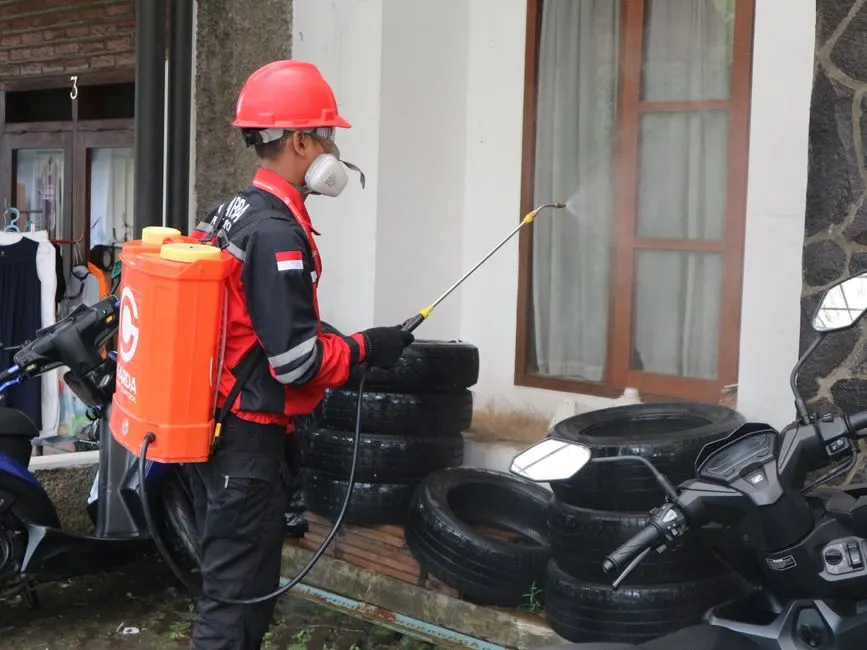
Greenland homes include established residences, detached houses and properties with garages, yards or crawl spaces. Those building features change where we look when you report scratching, droppings, ants or a suspected termite concern. Our residential service begins with the room or exterior area you identify, then checks likely routes and conditions nearby. We provide General Pest Control and targeted treatments for rodents, ants, stinging insects, bed bugs and other household pests. If you have children or pets, tell us before the visit so we can explain the relevant access and treatment instructions. We also point out practical maintenance steps, such as repairing a door seal or storing food in closed containers, when they apply to the findings.
- Rodent entry inspection and control — If you hear movement in an attic or find droppings in a Greenland garage, we inspect the activity area and likely access points. We explain whether trapping, monitoring or exclusion fits the evidence and identify openings that need repair. This gives you a practical response to both the rodents and the route they may be using.
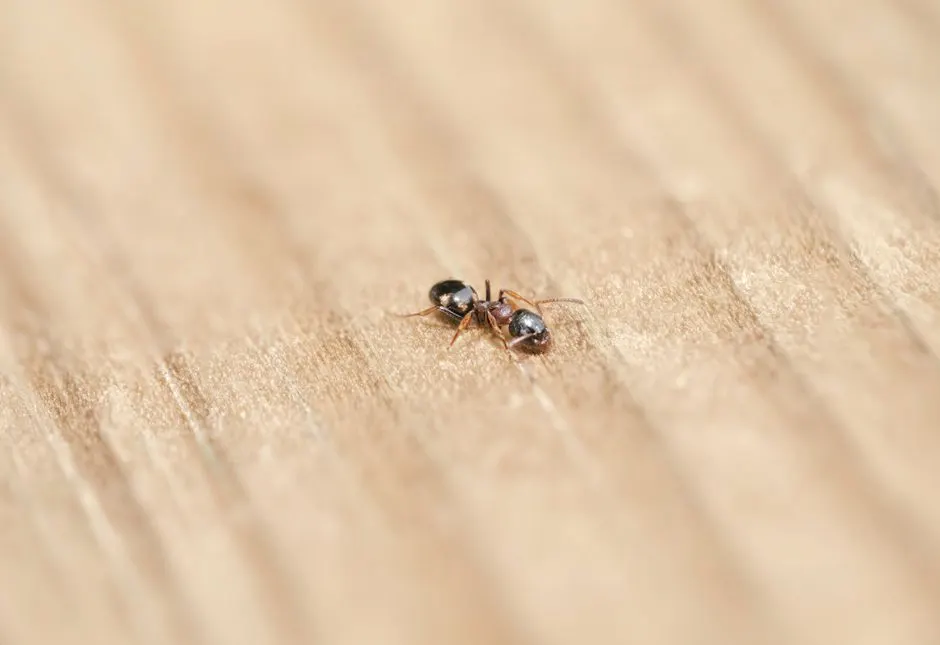
- Kitchen and foundation ant treatment — We trace ant activity at Greenland homes from the visible trail toward likely food sources and exterior entry points. Treatment focuses on confirmed routes, while you receive simple guidance about cleaning and sealing suitable gaps. If ants return at the same location, note the pattern so our follow-up can target the source.
- Wasp nest removal near entrances — A nest near a porch, eave or family entrance can interfere with normal access. We assess the nest and how close it is to people before selecting treatment. Keep the area clear during service and follow the technician's instructions. We also explain which continued activity should be reported.
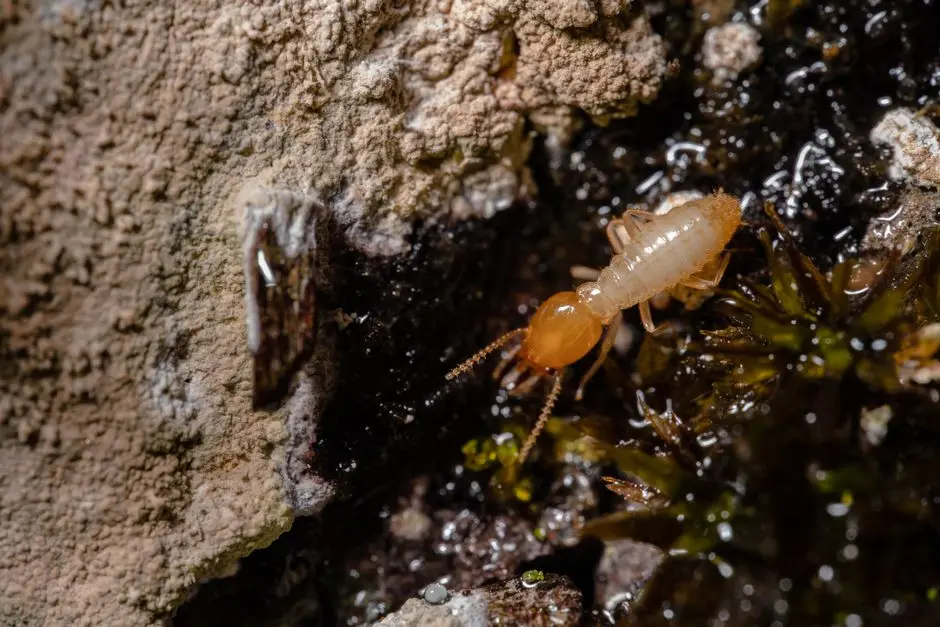
- Termite inspection and monitoring — For Greenland homeowners concerned about mud tubes or damaged wood, we inspect accessible foundation edges and relevant interior areas. We explain visible evidence and whether a monitoring or treatment plan is suitable. The visit separates confirmed signs from conditions that simply deserve routine maintenance or another inspection.