




Residential Pest Control for Leachville Homes
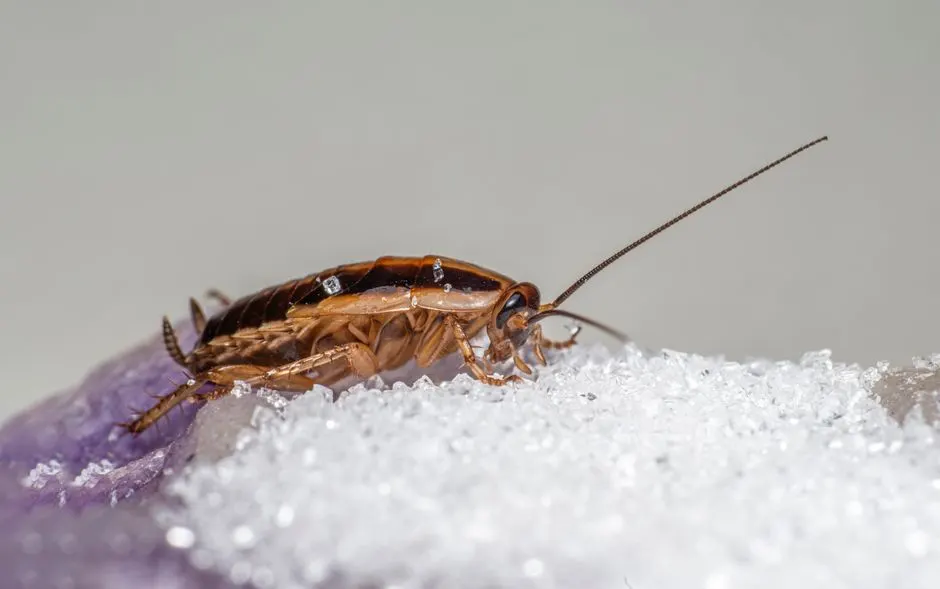
Residential pest control in Leachville needs to account for the home, the yard, and any garage or storage building where activity appears. Houses vary in age and construction, so a technician checks the reported room and likely routes such as plumbing penetrations, door bottoms, attic access, and foundation edges. Families often call after seeing mouse droppings in a pantry, ants near a sink, or a nest beside a porch. We ask about children, pets, and the rooms used most, then plan inspection and treatment accordingly. You receive practical preparation directions and clear notes about what to monitor after service. If the property has a crawl space or detached shed, mention it when booking so the visit can include those areas where accessible.
- Kitchen and pantry rodent control — For Leachville kitchens, we inspect food storage, appliance edges, cabinet voids, and nearby utility lines for droppings or gnaw marks. We place control devices at confirmed activity points and identify openings that could be sealed. Keep pantry goods in closed containers while we check whether activity extends into the garage or crawl space.
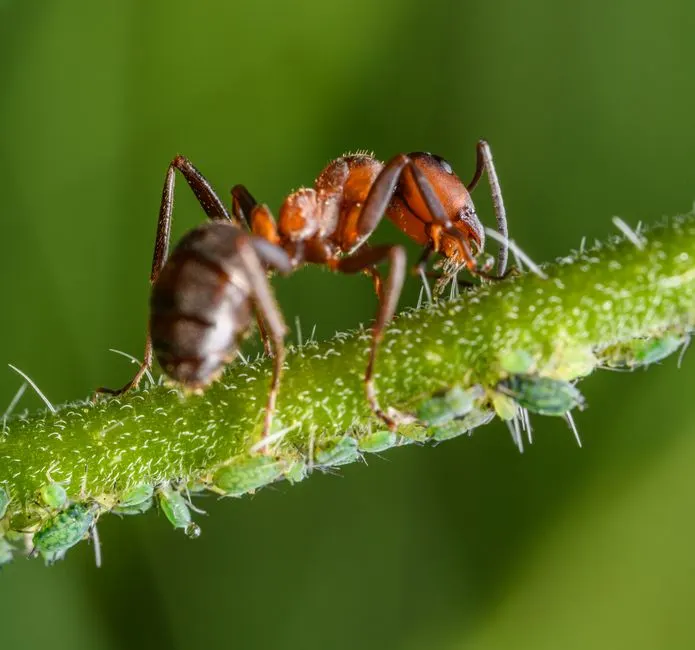
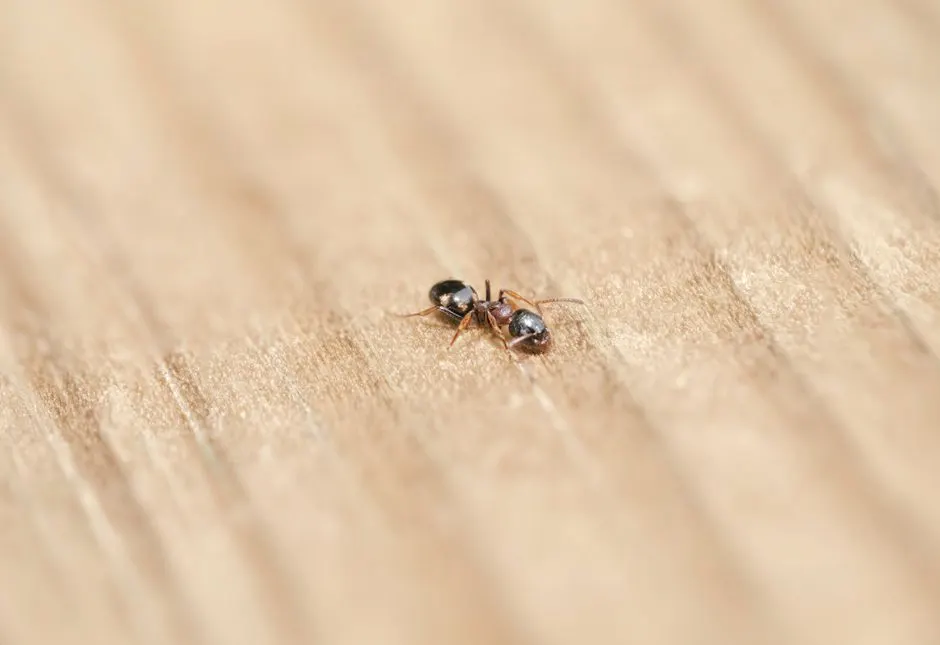
- Targeted ant and insect treatment — We trace trails around Leachville sinks, doors, and foundation edges before applying a focused treatment. A visible insect is useful evidence, but the entry route and moisture conditions matter too. We explain what to clean, dry, or seal so your household can reduce the conditions that invite repeat foraging.
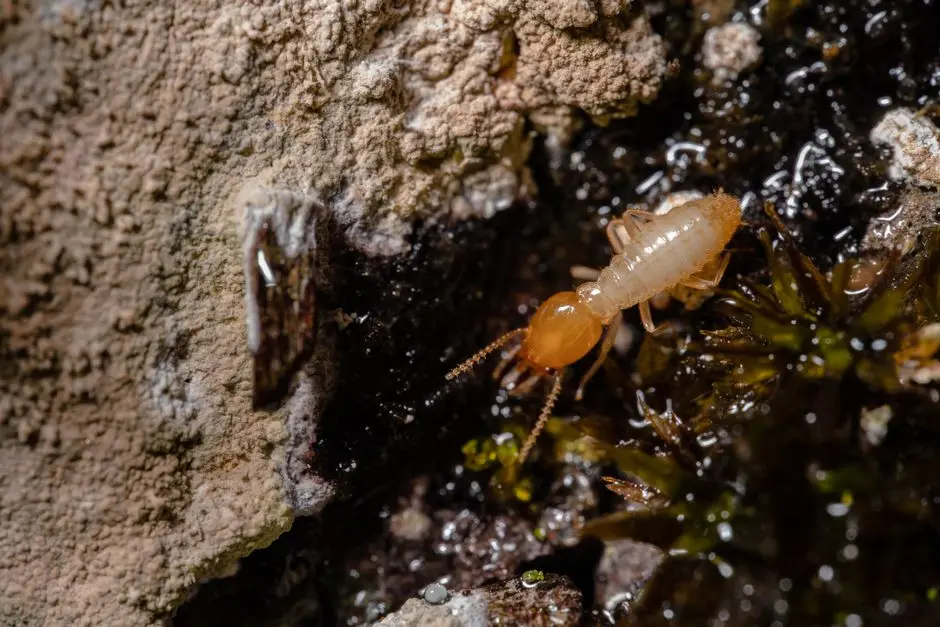
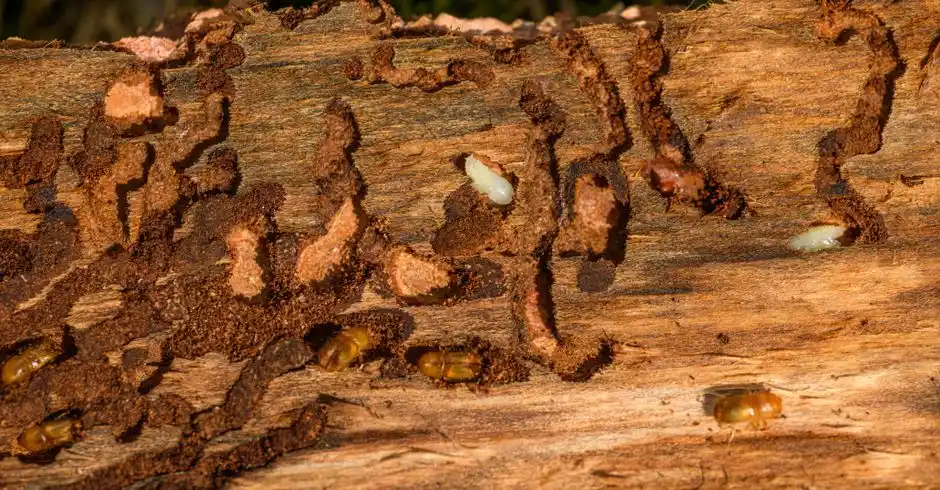
- Termite inspection and monitoring — Leachville homeowners can arrange inspection for mud tubes, damaged wood, and other signs around accessible foundations or crawl spaces. We document what we can see and discuss treatment or monitoring options when findings support them. Keep wood debris away from the foundation and report persistent moisture or visible structural changes.
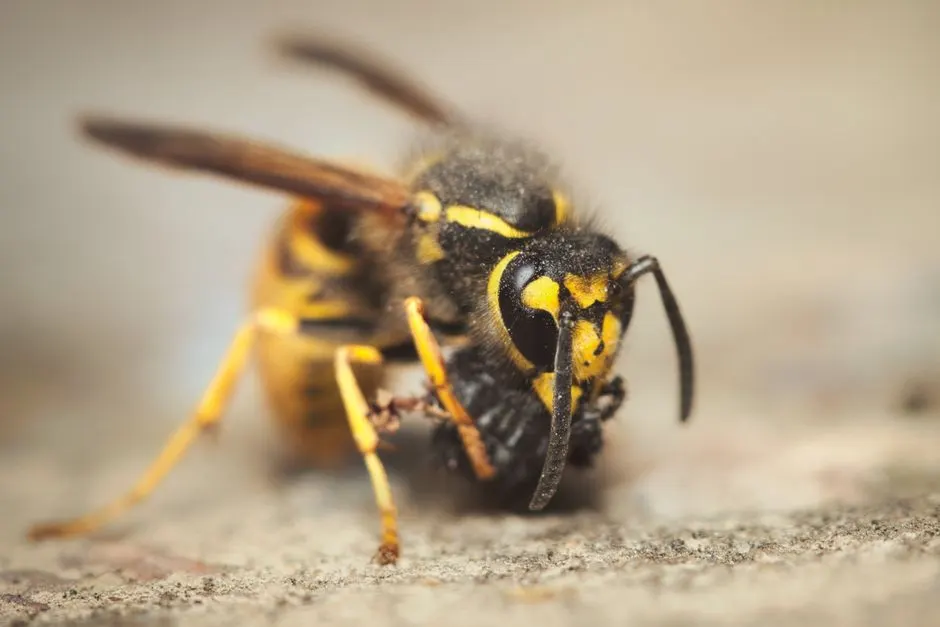
- Wasp nest assessment and control — An active nest near a Leachville porch, shed, or doorway can make routine access risky. We assess the nest position and surrounding foot traffic, then choose an appropriate treatment plan. Do not disturb the nest before the visit; tell us whether the area is used by children, pets, or customers.