


Residential Pest Control in Morrilton
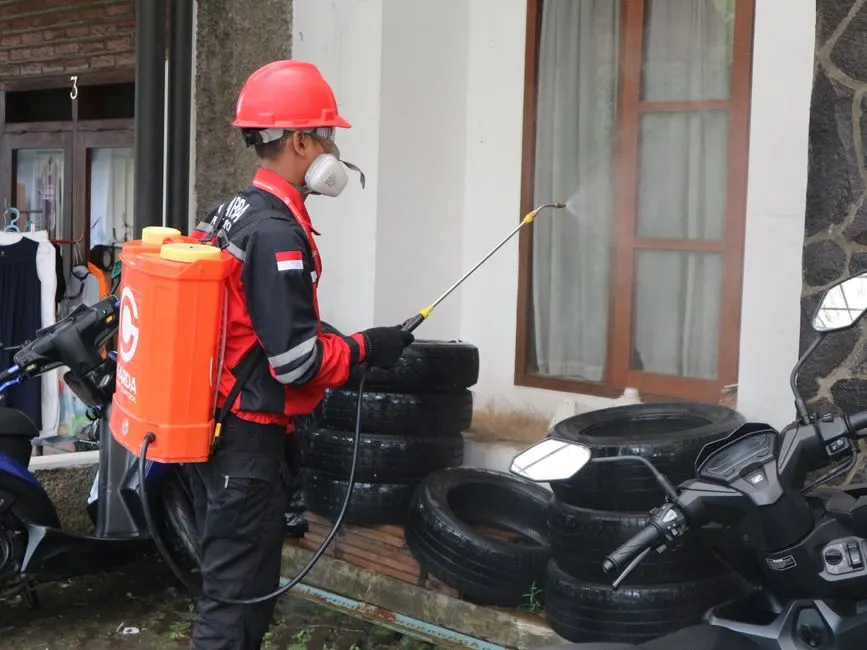
Morrilton homes include older houses with crawl spaces, newer residences, rentals, and properties with detached garages or storage buildings. Each setup changes where rodents and insects can hide and how a technician reaches the affected area. Arkansas Pest Solutions provides General Pest Control for families dealing with kitchen ants, pantry rodents, stinging insects near an entry, or seasonal invaders at windows. We inspect the evidence, explain the treatment locations, and give you practical steps for food storage, sealing, and monitoring. If you have children or pets, tell us which rooms they use most so we can plan access and communicate any product-specific precautions. You can call 877-729-2528 to arrange an inspection.
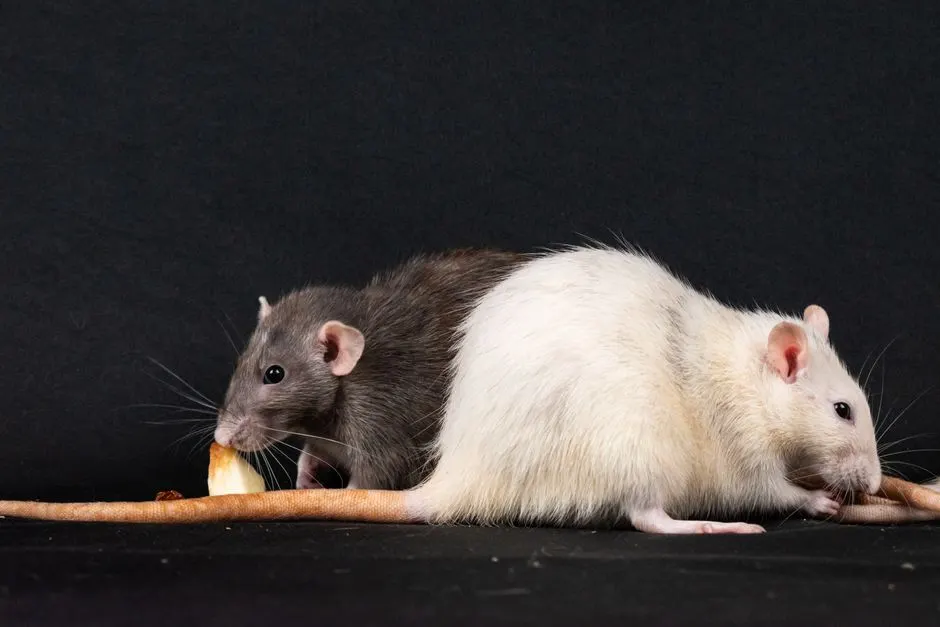
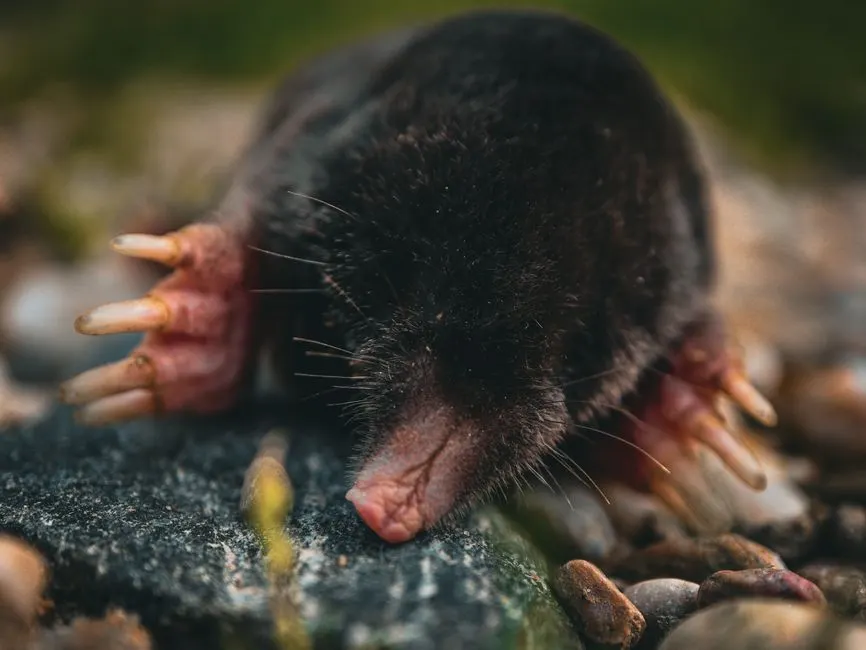
- Rodent entry inspection and exclusion — For Morrilton homeowners finding droppings in a pantry or hearing movement in a wall, we check likely entry routes, garages, and accessible crawl-space edges. We use traps where signs support placement and identify openings suitable for exclusion. You receive a practical list of sealing and storage steps tied to your property.
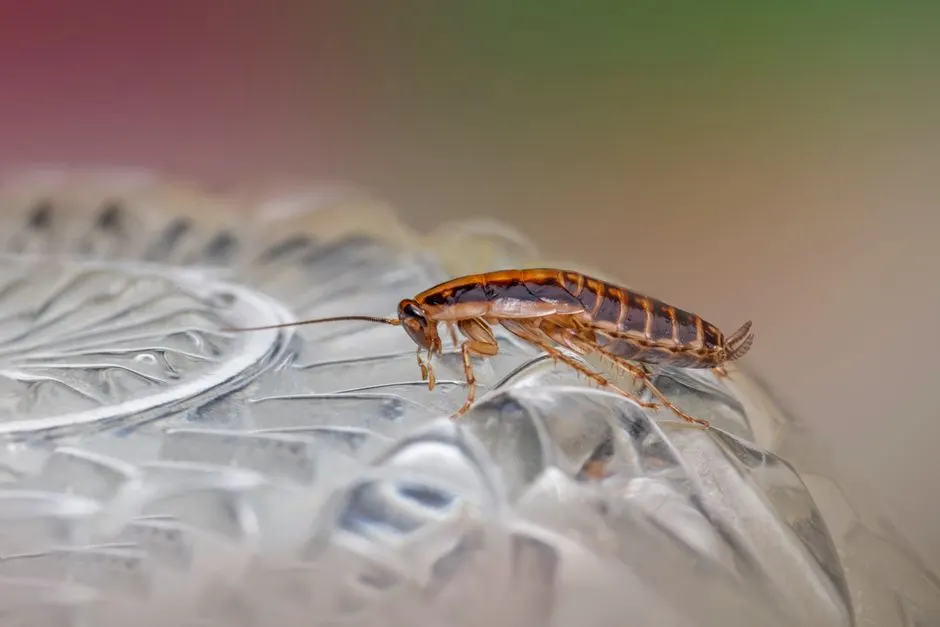
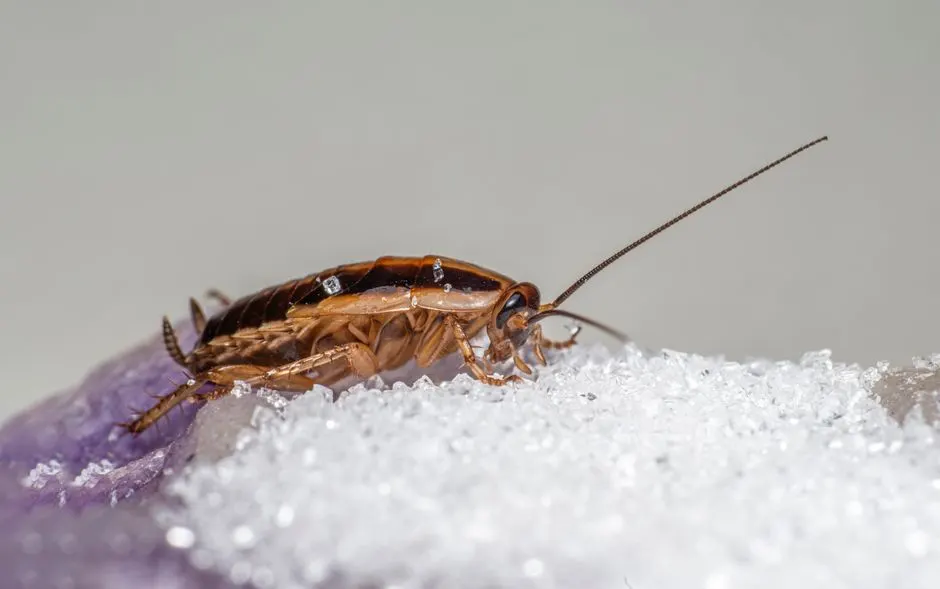
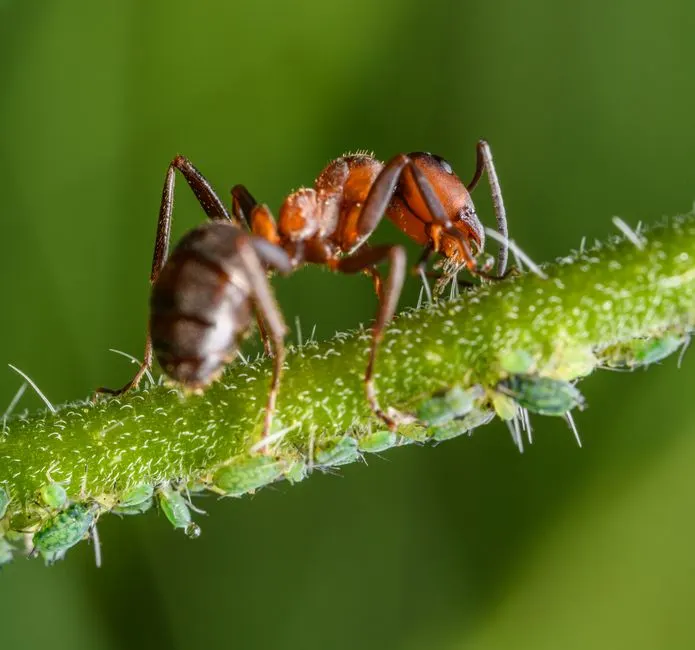
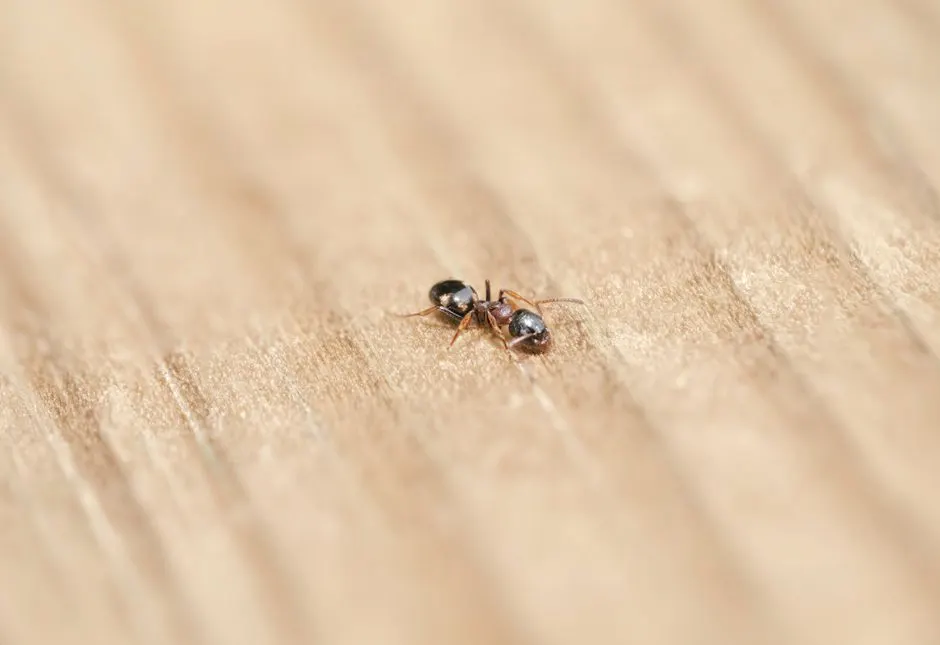
- Kitchen ant and cockroach treatment — We inspect counters, cabinets, appliance edges, and plumbing areas to find where activity is concentrated. In Morrilton homes, moisture and food access can sustain repeat trails, so treatment is paired with targeted sanitation guidance. We explain which surfaces or rooms need attention before the visit.
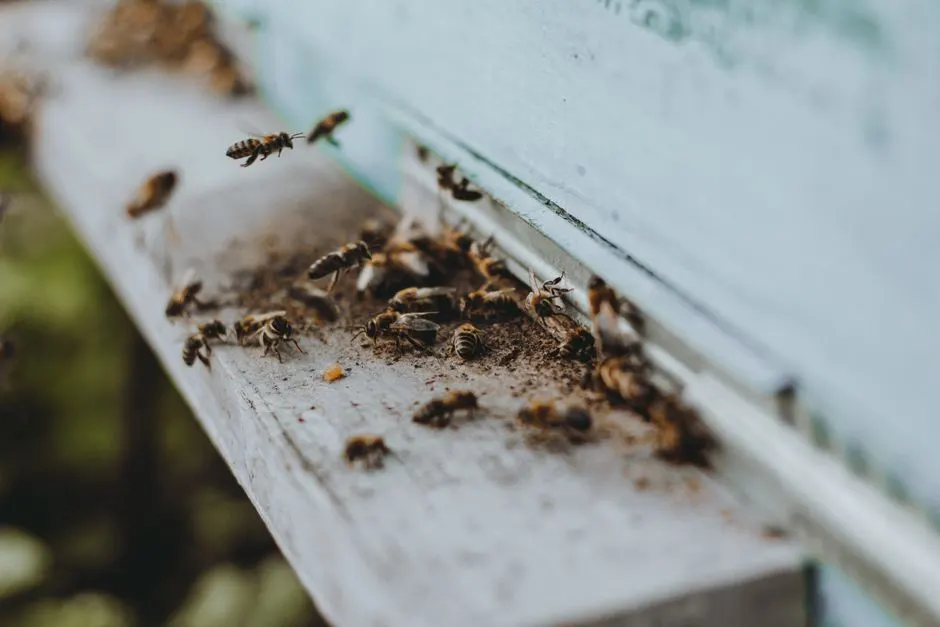
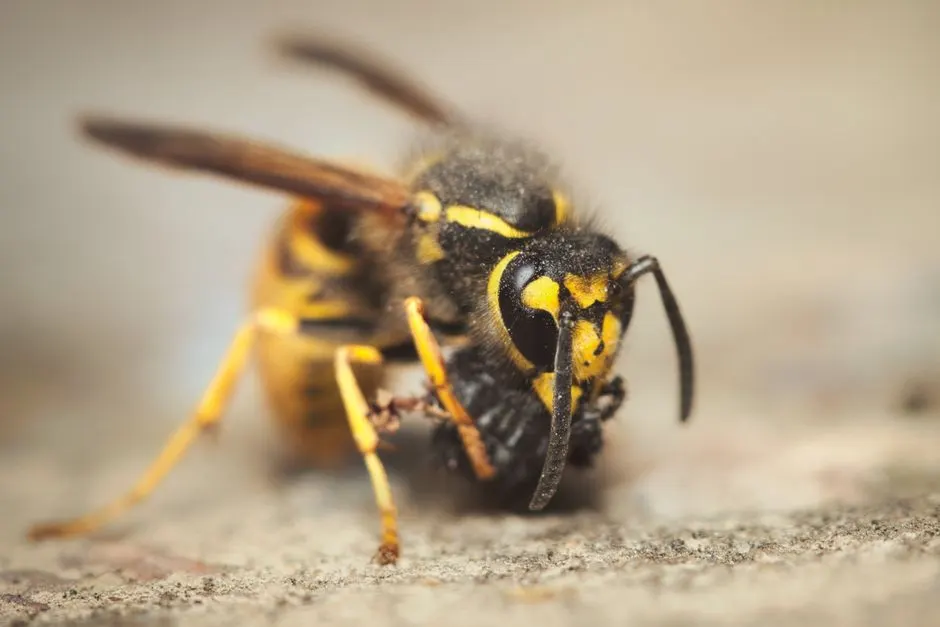
- Wasp nest removal near entrances — A nest under a porch roof or beside a frequently used door needs careful assessment. We locate the activity and select a treatment suited to the structure and access. For your Morrilton home, we also identify nearby shelter gaps and explain when it is safe to resume using the area.
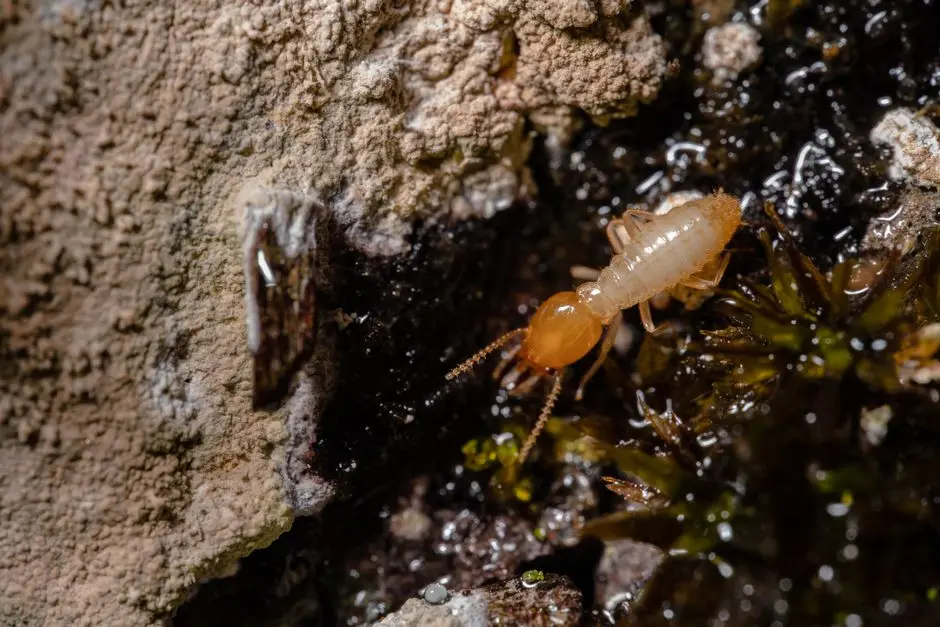
- Termite and wood-damage inspection — We check accessible foundations, lower wood, and moisture-prone areas when Morrilton homeowners report mud tubes or damaged timber. The inspection distinguishes termite evidence from other causes and identifies what further evaluation is needed. We explain findings in plain terms and discuss monitoring or treatment options.